EN

Principle: By inhibiting microbial activity, delaying enzyme reactions, and reducing moisture activity, the goal of long-term preservation is achieved.
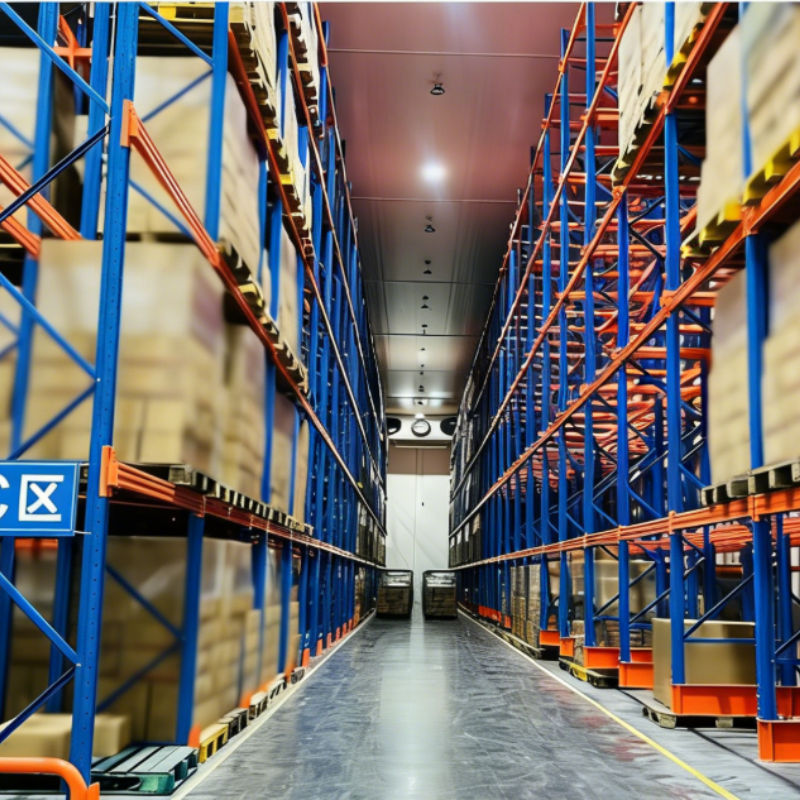
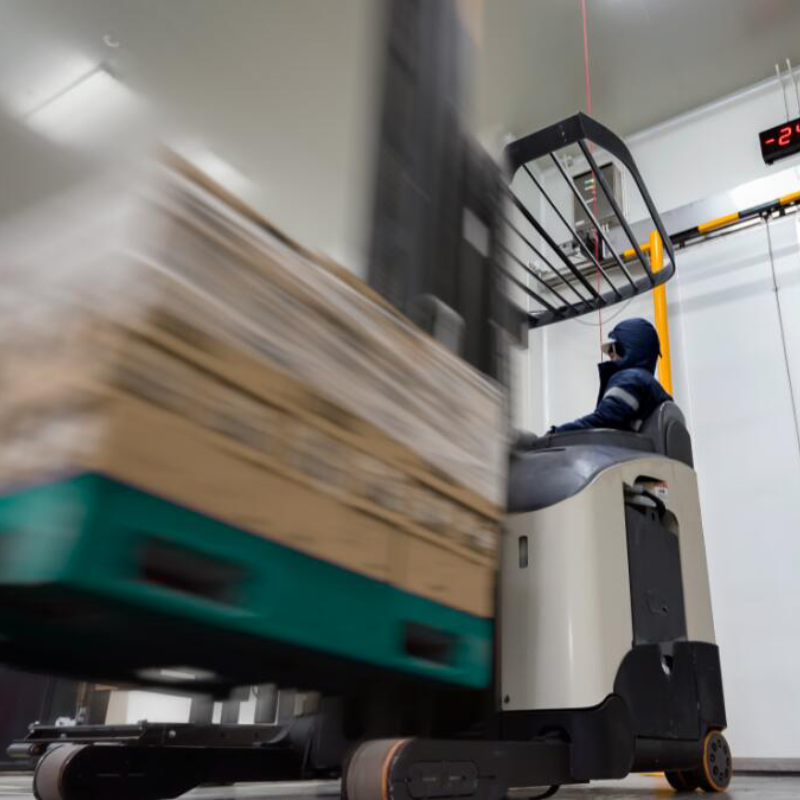
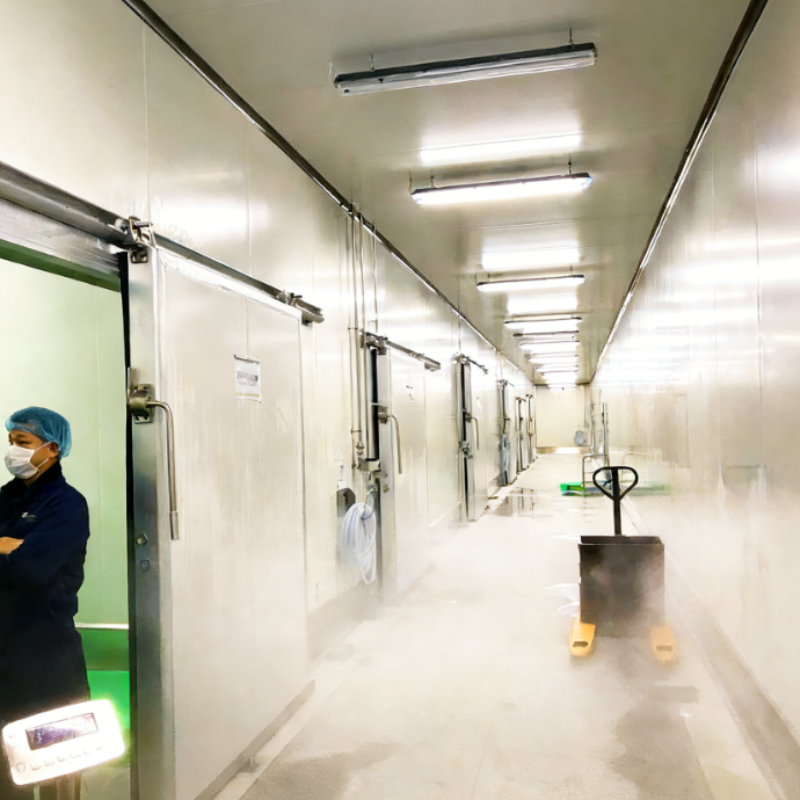
For freezer rooms, -18°C to -25°C represents the most critical and universally adopted temperature range. Internationally recognized as the "golden standard" for frozen food preservation, this range is essential for the long-term storage of items such as meats, seafood, and ready-to-cook frozen meals. At these temperatures, biological and chemical processes virtually halt, effectively preventing microbial growth, enzyme activity, and oxidation. This ensures that the nutritional value, texture, flavor, and color of the food are maintained for extended periods—often up to months or even years—without significant degradation.
Key Technical Parameters:
Compressor:
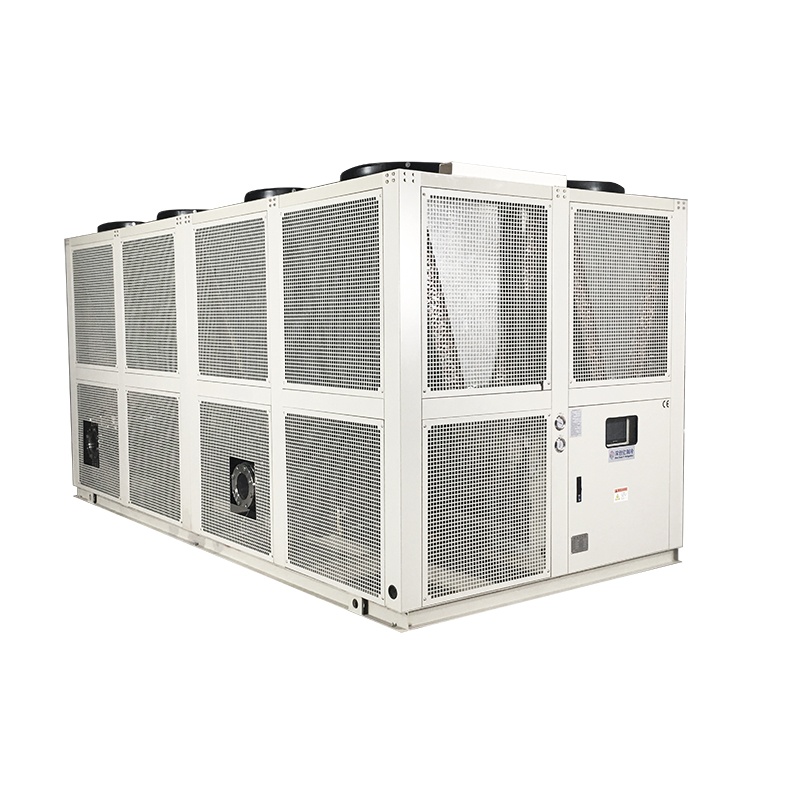
Type: Typically uses Low-Temperature Reciprocating (Piston) Compressors or Scroll Compressors. Large facilities may use Screw Compressors.
Requirement: Must operate reliably at low evaporation temperatures and have good low-temperature starting performance.
Refrigerant:
Common Types: R404A, R507 (Most mainstream choices with suitable thermodynamic properties).
Transition/Alternatives: R448A, R449A (Environmentally friendlier alternatives).
Natural Refrigerants: CO₂ (Carbon Dioxide) Cascade Systems or NH₃ (Ammonia) Systems (for large, centralized plants).
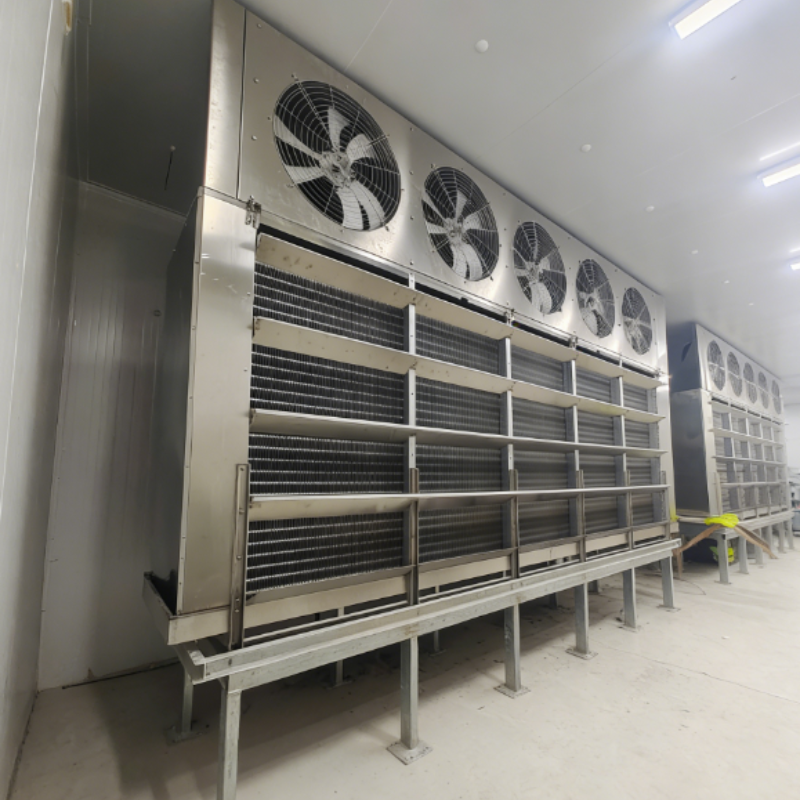
Evaporator (Air Cooler):
Requirement: Must be equipped with high-power electric heater rods or efficient hot gas defrost function. Fin spacing should be wide (usually ≥6mm) to prevent rapid frost buildup from blocking airflow.
Insulation:
Panel Thickness: 100mm, 120mm, 150mm 200mm are common choices. Thicker panels are required for larger capacities and higher ambient temperatures.
Material: Polyurethane (PU) core with color steel or stainless steel (for food/pharma) panels.
Here are some tips from our engineers!
Drain pipes must be equipped with drain pipe heating cables (trace heating) and a "U" or "Ω" trap to prevent cold air escape and freezing.
✔ Therefore, after defrosting, it can be smoothly discharged out of the room without freezing in the drain pipe and causing ice blockage.
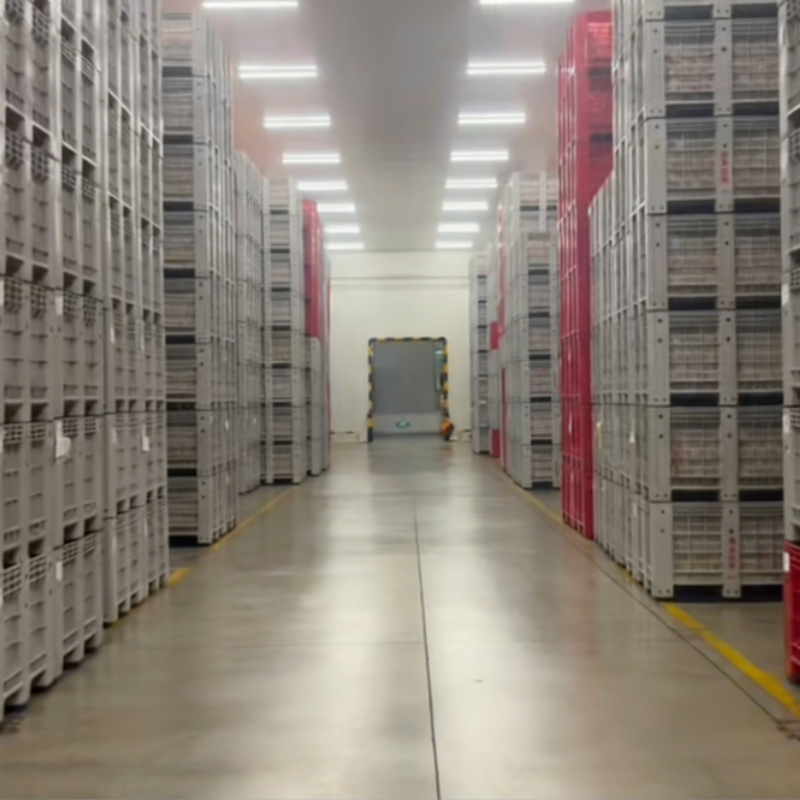
Maintain at least 1.5 meters clearance from the evaporator air outlet and 20-30cm gaps from walls and ceiling to ensure air circulation.
✔ Therefore, your goods will not block the return air duct due to being stacked too high, which could cause uneven temperature distribution in the room and lead to spoilage of some products.
Regularly clean the dust on the fins of the air-cooled condenser.
✔ Therefore, this small action will ensure the efficiency of your cooling system, energy consumption, and the smooth operation of the condenser.
Conduct regular "flashlight tests" - shine light along door seams from inside in darkness and check for light leakage outside.
✔ This serves as a highly effective and simple method for inspecting the airtightness of door seals.
Copyright © Shanghai Zhaoxue Refrigeration Equipment Co., Ltd. All Rights Reserved — Privacy Policy