EN

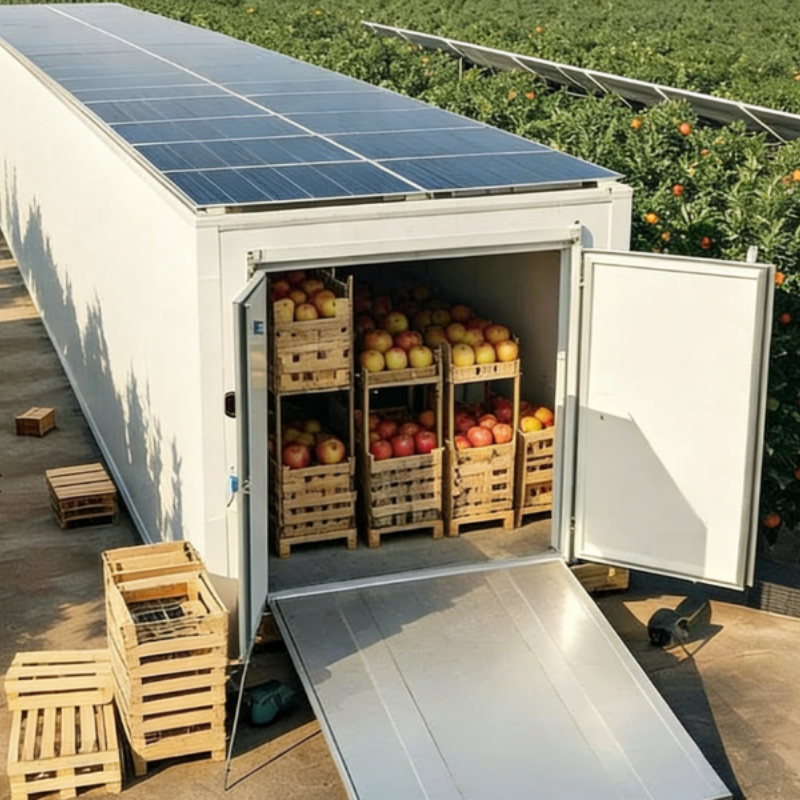
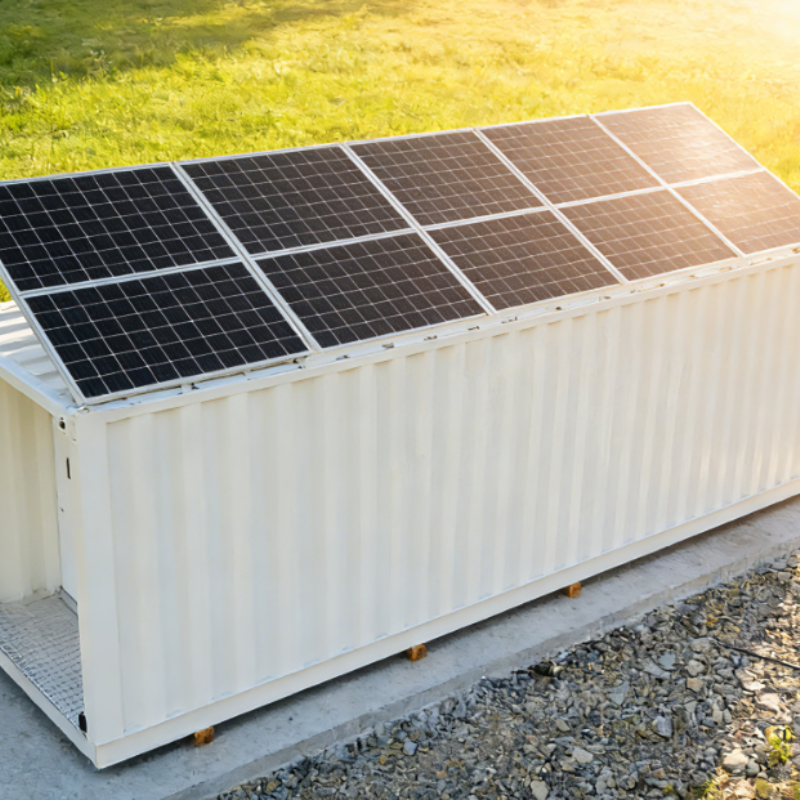
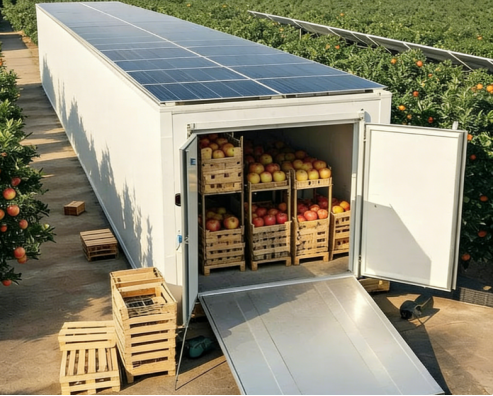
A Solar Cold Room is a cold storage facility that primarily uses solar photovoltaic (PV) technology to power its refrigeration system. It integrates solar panels, an energy storage system (batteries), an intelligent controller, and a high-efficiency refrigeration unit, aiming to provide cooling solutions in areas without grid access, with unstable grids, or with high electricity costs.
Core Value: Energy saving and environmental protection, reduced operating costs, and improved cold chain penetration in remote areas. It is particularly suitable for preserving agricultural products at the source, reducing post-harvest losses.
Core Components of a Solar-Powered Cold Room
Solar Panels
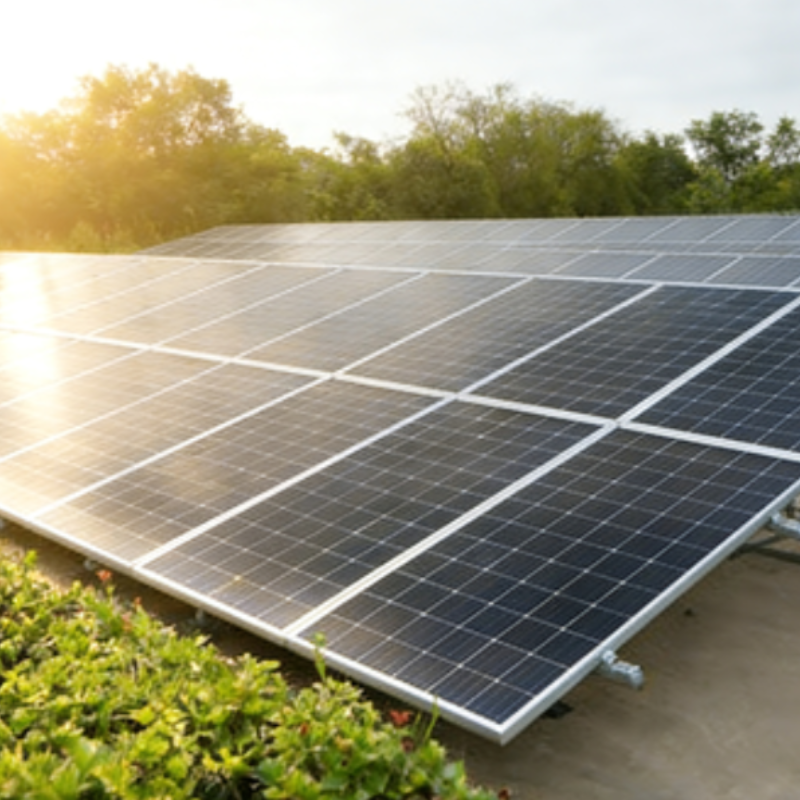
The energy source of the system, converting sunlight into direct current (DC) electricity.
Charge Controller
Intelligently regulates the charging process to protect the batteries from overcharging or deep discharge.
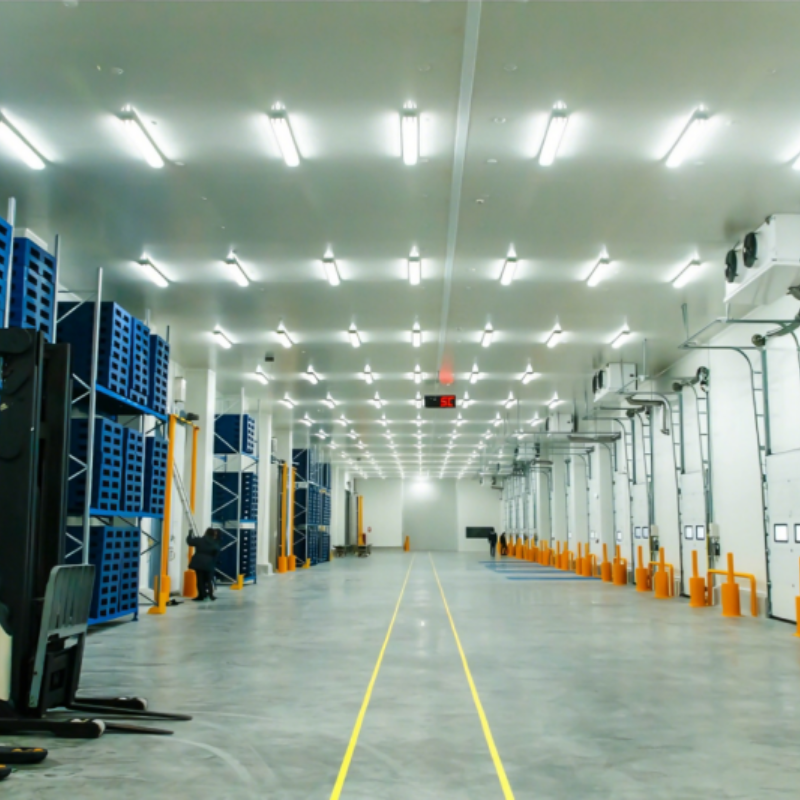
Insulated Cold Room
A high-performance insulated structure (typically ≥100 mm thick) is crucial to minimize cooling loss.
Battery Bank
Stores excess electricity to ensure continuous power supply during nighttime or cloudy days.
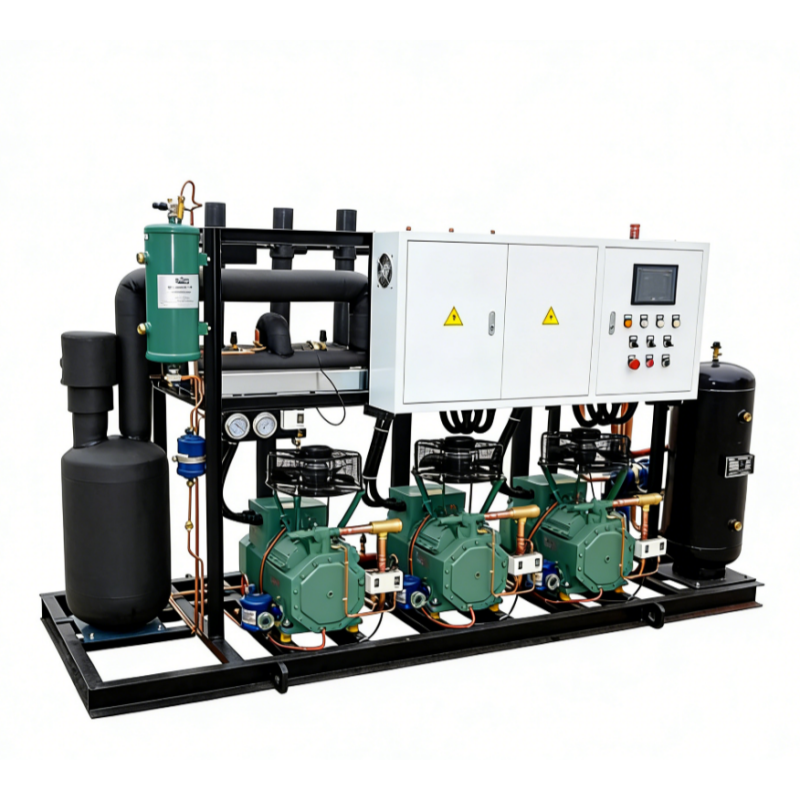
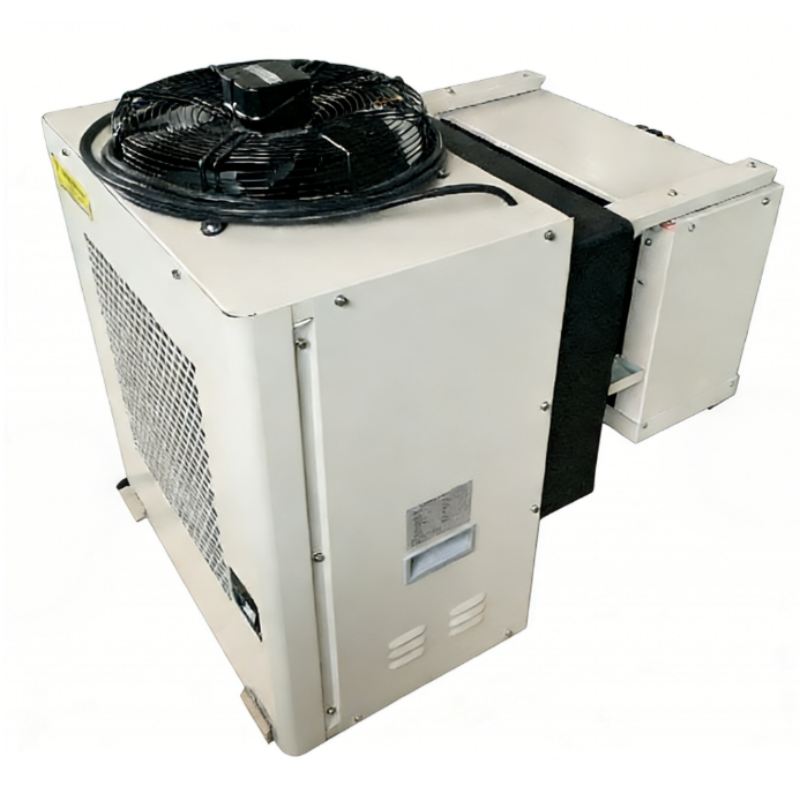
Efficient Refrigeration Unit
Often uses DC inverter technology for high energy efficiency ratio (EER), reducing overall power consumption.
Inverter
Converts DC electricity from the batteries to the AC power required by the refrigeration unit.
Key Technical Parameters
 Solar PV Capacity
Calculated based on local peak sun hours and cold room energy consumption. Battery Storage Capacity
Determines the system's autonomy.
The advantages of solar cold rooms are comprehensive and transformative. It is not just a storage facility but a sustainable development platform that integrates economic benefits, environmental protection, and social well-being. It is particularly suitable for deployment in sun-rich regions, remote areas, and by businesses pursuing a green brand image.
Practical Applications
1. Farm-side Preservation: Built directly on farms for pre-cooling and short-term storage of fruits and vegetables after harvest, significantly reducing spoilage.
2. Fishery Preservation: Used on islands to promptly chill caught seafood, ensuring quality.
3. Commercial Energy Saving: Even in grid-connected areas, it can reduce electricity costs by offsetting peak-hour usage with solar power.
4. Vaccine Storage in Remote Areas: Provides reliable storage for medicines and vaccines in remote clinics lacking stable grid power.
Advantages:
💡Low Operating Costs
Utilizes free solar energy, significantly reducing electricity expenses.
💡Environmental Benefits
Operates with zero greenhouse gas emissions during use, making it a pure green technology that aligns perfectly with global carbon neutrality goals.
💡Modular & Scalable Design
The system adopts a modular architecture, allowing flexible addition of solar panels and energy storage units based on actual business growth needs. Both capacity and investment can be scaled in phases according to demand, enabling smooth and seamless system upgrades.
💡Maintenance is relatively simple
Once installed and commissioned, the system is highly automated. Maintenance primarily involves cleaning panels and checking connections, which is relatively simple.
Copyright © Shanghai Zhaoxue Refrigeration Equipment Co., Ltd. All Rights Reserved — Privacy Policy