EN

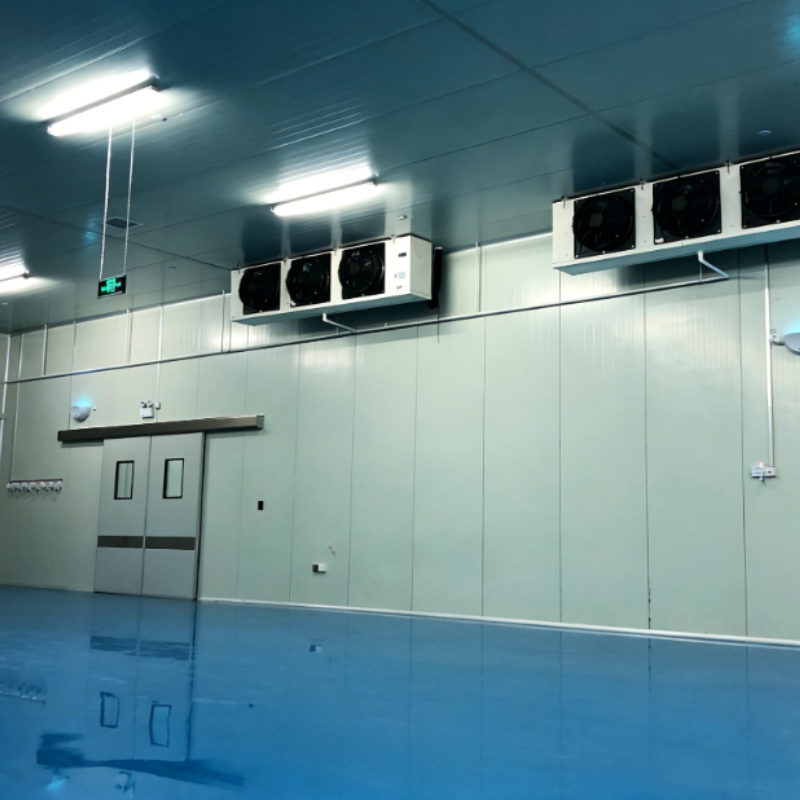
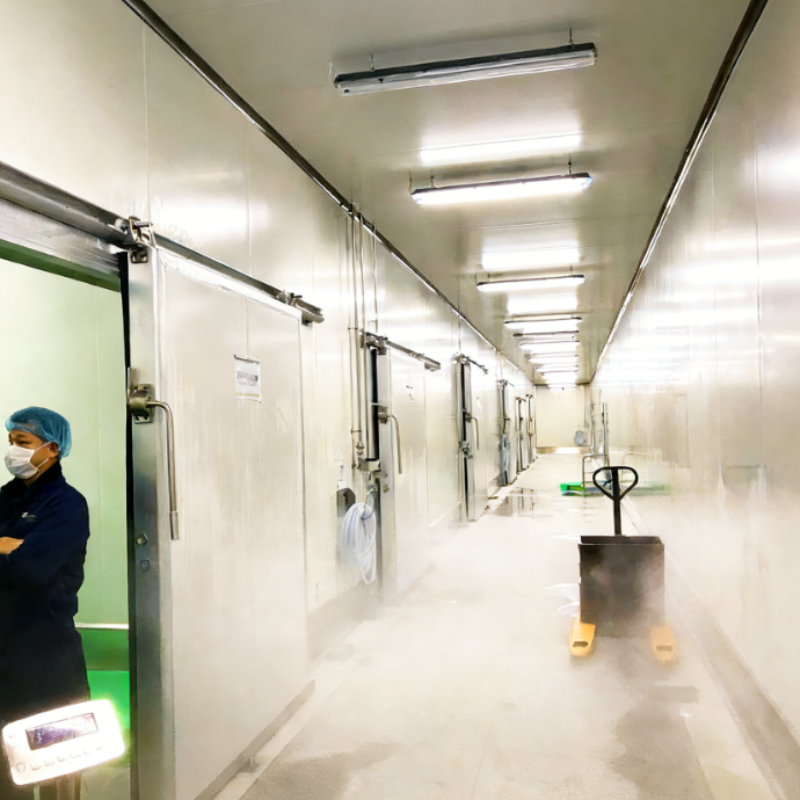
A Ripening Cold Room gives you complete control over fruit ripening. By carefully managing temperature, humidity, air quality (especially ethylene gas), and airflow, it allows operators to start, accelerate, or pause the natural process exactly when needed.
The core value of a ripening room lies in its ability to transform an uncontrolled natural ripening process into a reliable, predictable, and standardized industrial procedure. By precisely controlling temperature, humidity, and ethylene gas concentration, it allows fruits like bananas and mangoes to be harvested at the optimal "green mature" stage for storage and transport. After long-distance shipping, the ripening process can be accurately initiated based on market demand. This technology not only significantly reduces post-harvest losses (by up to 70% or more) and brings planning capability and controllability to the agricultural supply chain, but also ensures standardized optimal eating quality. Ultimately, it helps brands achieve year-round stable supply and secure market premiums, addressing the perennial core challenges of the fruit and vegetable industry: perishability, inconsistent quality, and supply-demand imbalance.
Key Technical Parameters
Temperature
The primary control lever. Often uses "step-down" temperature control:
• Ripening Phase: Higher temperatures (e.g., 15°C - 21°C) to accelerate the process.
• Holding/Storage Phase: Lower temperatures (e.g., 12°C - 14°C) to pause ripening.
Relative Humidity
Typically maintained at 85% – 95%. High humidity prevents fruit from shriveling and losing weight.
Ethylene Concentration
The key ripening hormone. Ethylene generators precisely maintain levels between 10 – 1000 ppm (variety-specific) to trigger and accelerate ripening.
Air Circulation
Critical for uniform ripening. Forced, even airflow distributes ethylene and heat, while removing excess carbon dioxide around the fruit.
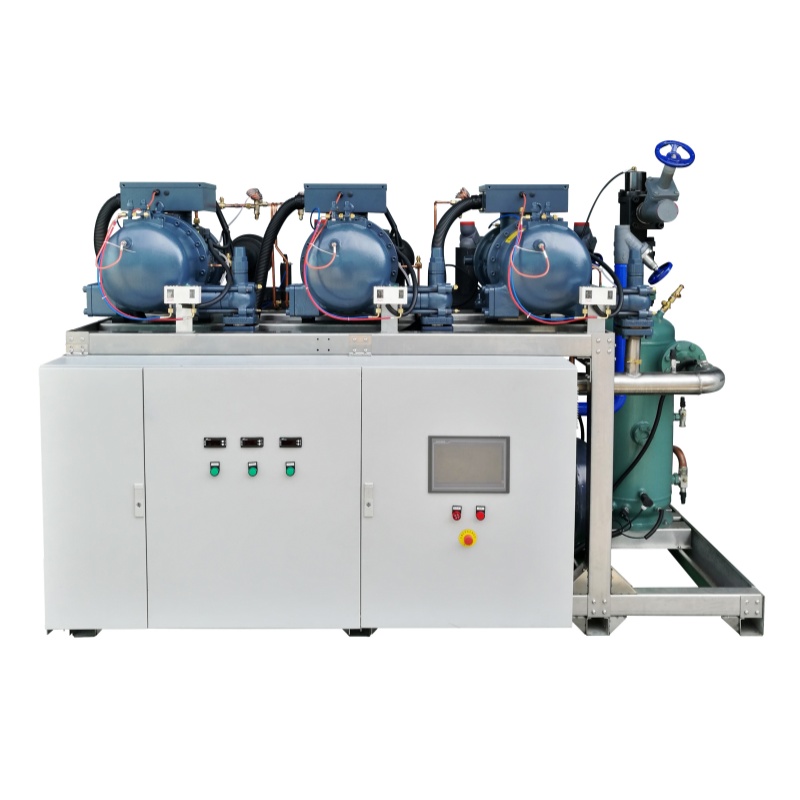
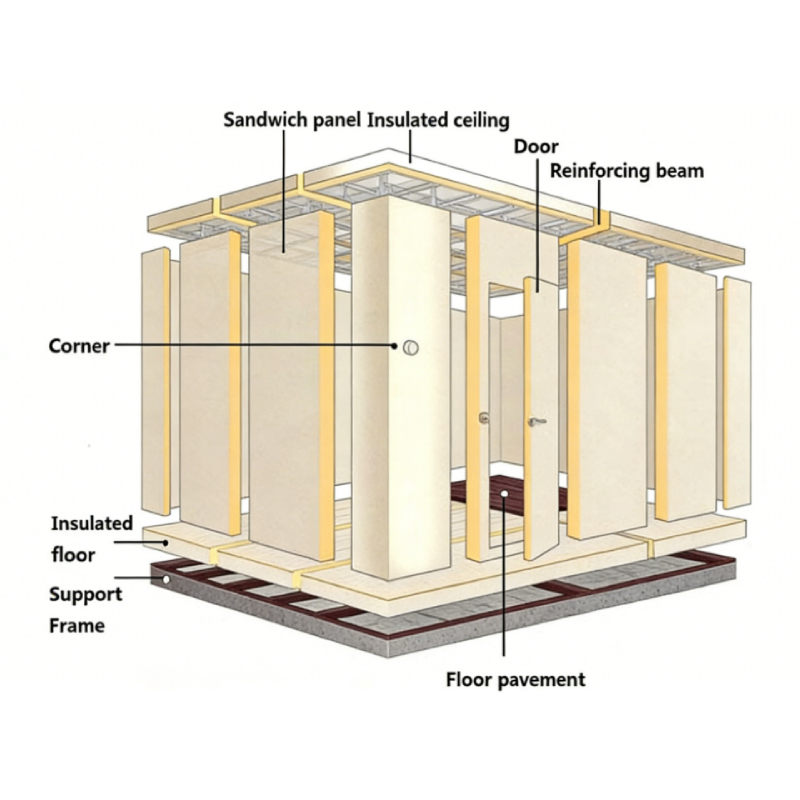
Core components of ripening cold room different from traditional cold room:
Ethylene Generation System
Introduces controlled concentrations of ethylene gas to trigger and accelerate ripening.
Ventilation & Air Circulation System
Distributes ethylene, temperature, and humidity evenly, and removes excess CO₂.
The Ripening Process
 Initiation
 Ripening
 Homogenization
 Pausing
Practical Applications
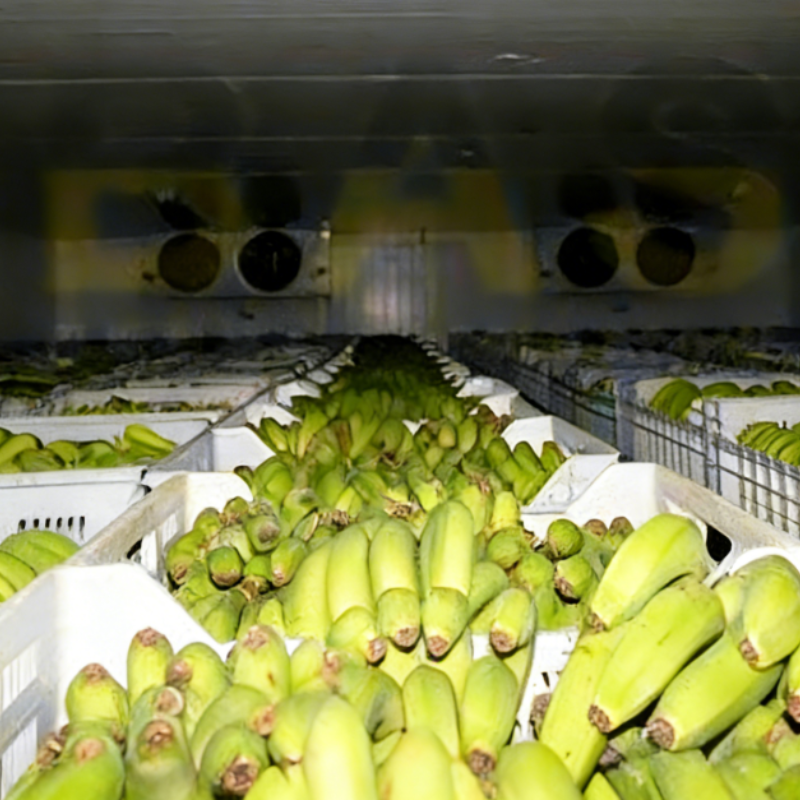
1. Banana Ripening: The most classic and large-scale application. Bananas are harvested green and firm, then ripened to yellow by distributors before sale.
2. Other Tropical Fruits: Mangoes, kiwifruit, avocados, papayas...
Temperate Fruits: Apples, pears, peaches, plums...
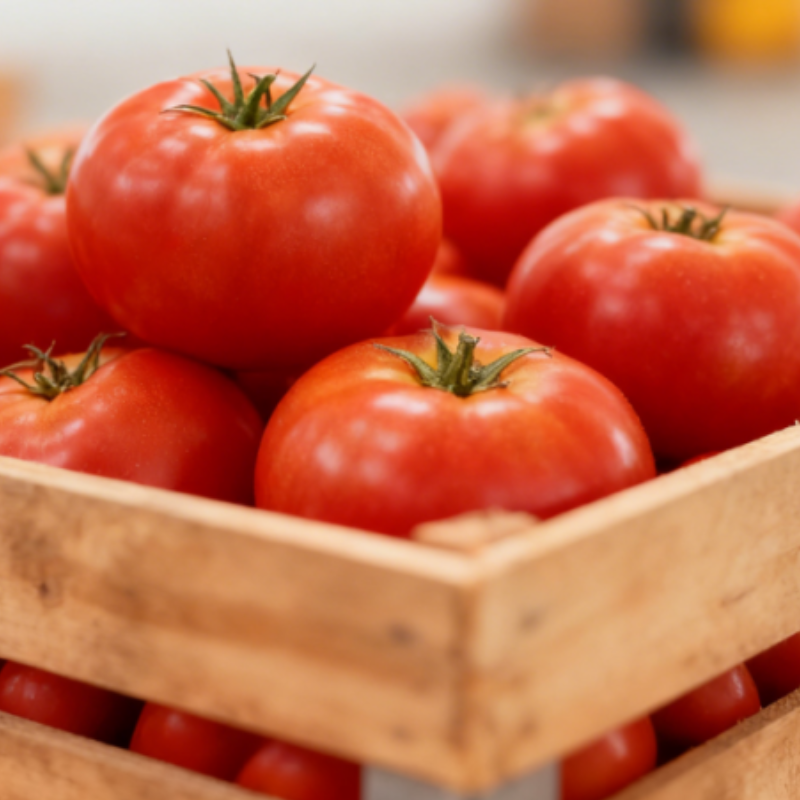
3. Tomato Ripening: Used to control the color and ripeness of tomatoes to meet market demands.
Ripening Room Investment: Unlock Profitability & Control
Transform your fresh produce business from a seasonal operation to a year-round, profit-driving engine.
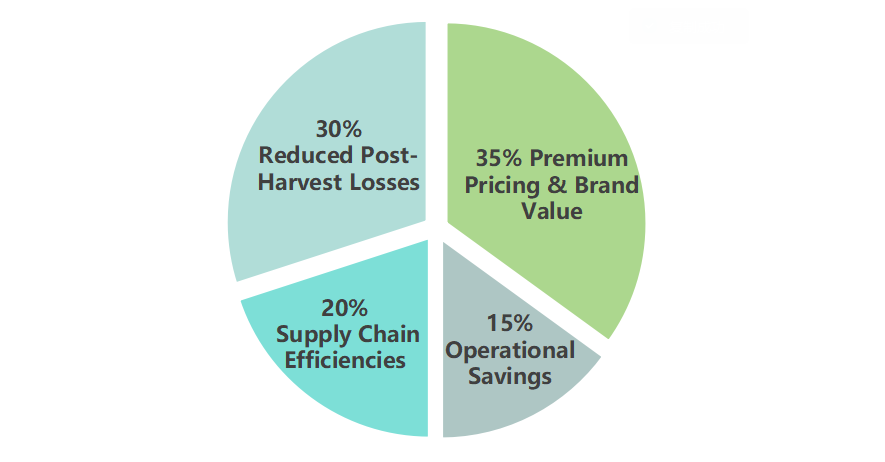
A ripening room isn't an expense; it's an investment that pays for itself by giving you unprecedented control over your supply chain and product quality. Here's how it translates into direct financial returns.
1. How a Ripening Room Makes You Money?
We break down your return into two powerful categories: Revenue Growth and Cost Reduction.
| Benefit | How It Works? | Your Financial Gain |
|---|---|---|
| Command Premium Prices | Deliver consistent, perfect-quality fruit (color, firmness, taste) every time. This builds a trusted brand that consumers pay more for. | Achieve price premiums of 15-30% over unbranded, inconsistent competitors. |
| Capture High-Value Market Windows | Time your ripening to hit peak demand for holidays, weekends, or special events. Sell when the market price is highest. | Increase your average selling price by 10-20% through strategic timing. |
| Operate 365 Days a Year | Become a reliable, year-round supplier to major retailers. No more off-seasons. Increase your total sales volume. | Secure long-term contracts and increase customer loyalty, boosting annual turnover. |
| Benefit | How It Works? | Your Financial Gain |
|---|---|---|
| Drastically Reduce Shipping Losses | Transport hardy, green fruit instead of fragile, ripe fruit. It can withstand long-distance logistics with minimal damage. | Cut physical losses during transport and handling by over 70%. |
| Maximize Sellable Yield | Say goodbye to uneven ripening. A controlled process ensures a higher percentage of your product meets the top-quality standard. | Increase your premium-grade yield by 20-35%, maximizing value from every batch. |
| Optimize Labor Efficiency | Replace manual, small-batch monitoring with automated, centralized ripening. Your team can focus on higher-value tasks. | Reduce labor hours spent on ripening management and improve operational efficiency. |
✔ Supply Chain Resilience: Never be at the mercy of nature's schedule again.
✔ Brand Building: Consistency is the foundation of a trusted consumer brand.
✔ Competitive Edge: Offer what others cannot — guaranteed quality and reliable supply.
Copyright © Shanghai Zhaoxue Refrigeration Equipment Co., Ltd. All Rights Reserved — Privacy Policy