Choosing the Best Refrigerated Room Panels

Let's Discuss Your Needs

Every great collaboration starts with a friendly chat.
We're here to help you figure things out and find the best way forward.
Company Name
Name
Email
WhatsApp
Mobile

refrigerated room panels

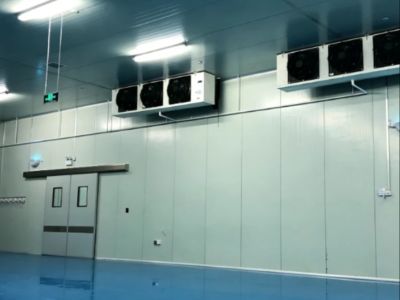
Refrigerated room panels are essential components for cold storage solutions, used widely in industries like food processing, pharmaceuticals, and logistics. Selecting the right panels is crucial, as they directly impact energy efficiency, operational costs, and the integrity of stored products. This article will guide B2B buyers—such as purchasing managers, engineers, and product managers—through the critical factors to consider when sourcing refrigerated room panels, including specifications, purchasing tips, and installation guidelines.

Key Specifications to Consider When Sourcing Refrigerated Room Panels

Several key specifications must be evaluated to ensure you select the right refrigerated room panels.

Insulation Type and R-Value: As mentioned, the insulation type affects thermal performance. The R-value should meet the requirements of your specific application, which can vary based on climate, product type, and operational efficiency goals.

Panel Thickness: Standard thicknesses range from 2 to 6 inches. A thicker panel generally provides better insulation but may also increase costs and weight.

Surface Material: The outer surface can be made from various materials, including galvanized steel, stainless steel, or aluminum. The choice will depend on environmental conditions, such as exposure to moisture or corrosive substances.

Sealing Mechanisms: Proper sealing is crucial to maintain temperature and prevent air leaks. Ensure the panels have high-quality seals that can withstand the operational conditions.

Load-Bearing Capacity: Depending on the application, panels may need to support additional equipment or storage loads. Confirm the load-bearing specifications with the manufacturer.

By understanding these specifications, buyers can prevent costly mistakes associated with inadequate thermal management or structural integrity.
Wholesale Purchasing Tips for High-Quality Refrigerated Room Panels

When purchasing refrigerated room panels in bulk, consider the following tips to ensure you obtain high-quality products:

Request Samples: Before committing to a large order, request samples to evaluate the panel quality, insulation performance, and fit. Testing samples under actual conditions can provide insights into their performance.

Understand Minimum Order Quantities (MOQ): Different suppliers may have varying MOQs. Ensure that the MOQ aligns with your project requirements to avoid excess inventory.

Evaluate Supplier Reputation: Research potential suppliers, focusing on their manufacturing capabilities, past projects, and customer reviews. A reputable supplier will have a history of delivering consistent quality.

Negotiate Terms: Discuss payment terms, delivery schedules, and warranty options. Understanding these elements can help prevent delays and unexpected costs.

Inspect Quality Control Processes: Inquire about the supplier's quality assurance protocols. A reliable supplier should have rigorous testing and quality control measures in place to ensure consistency.

By following these tips, buyers can make informed purchasing decisions that align with their operational needs and budget.

Reliable Suppliers for Custom Refrigerated Room Panels in Bulk Orders

Finding a reliable supplier for custom refrigerated room panels is crucial for ensuring product quality and consistency. Shanghai Zhaoxue Refrigeration Co., Ltd. is an established manufacturer known for its energy-efficient cold storage solutions. They specialize in custom-engineered panels designed to meet the unique requirements of various industries, including food, pharmaceuticals, and logistics. Their capabilities can complement installations that involve Cooling Rooms or Freezer Room solutions.

When evaluating suppliers, consider the following criteria:

Customization Capabilities: Ensure the supplier can accommodate specific dimensions, materials, and insulation requirements. Custom solutions can enhance operational efficiency.

Technical Expertise: A knowledgeable supplier can provide valuable guidance on panel selection, installation techniques, and maintenance practices.

Production Capacity: Confirm the supplier's ability to handle your order volume within your required timeframe. This is especially important for time-sensitive projects.

Post-Sale Support: Inquire about the level of customer support available after purchase. Reliable suppliers should offer assistance with installation and troubleshooting.

By choosing a supplier with these qualities, buyers can secure high-quality panels that align with their operational goals.

Installation Guidelines for Efficient Refrigerated Room Panels Setup

Proper installation of refrigerated room panels is critical for maximizing performance and energy efficiency. Here are some guidelines to ensure an effective installation process:

Preparation of the Site: Ensure that the installation site is clean, dry, and free of debris. Any contaminants can affect the panel seals and insulation performance.

Follow Manufacturer Instructions: Adhere to the specific installation guidelines provided by the manufacturer. This includes recommended fasteners, sealing techniques, and thermal bridging considerations.

Check Panel Alignment: During installation, ensure that panels are aligned correctly to create a tight seal. Misalignment can lead to air leaks and thermal inefficiencies.

Sealing and Insulation: Pay special attention to sealants and insulation between panels. The effectiveness of these components directly impacts the overall energy efficiency of the refrigerated space.

Conduct Post-Installation Inspections: After installation, inspect the panels for any gaps or misalignments. A thorough inspection can prevent future issues related to temperature control and energy loss.

By following these installation guidelines, buyers can enhance the performance and longevity of their refrigerated room systems, resulting in better product preservation and lower operational costs.

In summary, understanding the specifications, purchasing strategies, and installation techniques for refrigerated room panels is essential for B2B buyers seeking to optimize their cold storage solutions. With careful consideration of these factors, companies can effectively meet their operational needs and ensure the integrity of their stored products.

How to Choose the Right Refrigerated Room Panels for Your Needs

When selecting refrigerated room panels, it’s vital to consider your specific application requirements, such as temperature control, insulation needs, and the nature of the products being stored. The panels should have an appropriate insulation value (R-value), which measures their thermal resistance. A higher R-value means better insulation, leading to energy savings and more consistent temperatures inside the refrigerated space.

Additionally, consider the material composition of the panels. Common materials include polyurethane, polystyrene, and mineral wool, each offering different levels of thermal performance and fire resistance. For example, polyurethane panels are often preferred for their superior insulation properties, while mineral wool panels provide better fire resistance, making them suitable for specific applications in the food and pharmaceutical sectors. Choosing the right materials can also be a factor when considering equipment like Impingement Freezer or New Type Spiral Freezer that may require specific panel compositions.

Lastly, assess the thickness and dimensions of the panels based on your cold storage design. Custom sizes may be necessary to ensure a perfect fit and optimal thermal efficiency, so working with a manufacturer that offers customization options is advantageous.

Frequently Asked Questions

What are refrigerated room panels used for?

Our refrigerated room panels create insulated walls and ceilings for cold storage, freezers, and controlled-temperature rooms used in food, pharmaceutical, and logistics facilities.
Panels use high-density polyurethane foam core with corrosion-resistant metal facings for superior thermal performance and durability in cold environments.
Yes. We custom-engineer panel thickness, joint design, and vapor barriers to meet specific temperature ranges from mild refrigeration to deep freezing.
Panels feature tongue-and-groove or cam-lock joints for quick assembly, plus integrated gaskets and sealants to ensure air-tight, hygienic, and energy-efficient installations.
Yes. We offer panels as part of custom-engineered, automated cold storage systems, including design, fabrication, delivery, and support for global food and pharma operations.

Our Blog Posts

how to set cold room temperature

03

Nov

how to set cold room temperature

Setting the right cold room temperature is crucial for industries that rely on precise temperature control to maintain the quality and safety of their products. Whether you are in the food, pharmaceutical, or logistics sector, understanding how to se...
View More
what is the standard temperature of chiller

03

Nov

what is the standard temperature of chiller

Understanding the standard temperature of chillers is crucial for multiple industries, including food, pharmaceuticals, and logistics. This article dives into the specifics of what is the standard temperature of a energy-efficient chillers, addressin...
View More
how to set temperature in chiller

03

Nov

how to set temperature in chiller

Setting the correct temperature in a chiller is crucial for maintaining the quality and safety of sensitive products, especially in industries like food, pharmaceuticals, and logistics. This article will address key considerations for B2B buyers, inc...
View More
controlled atmosphere storage of fruits and vegetables

03

Nov

controlled atmosphere storage of fruits and vegetables

Controlled atmosphere storage of fruits and vegetables is a critical component in preserving the quality and extending the shelf life of produce. These specialized storage solutions regulate temperature, humidity, and gas composition to slow down rip...
View More

Leave a Message

Email
Name
Company Name
Message
0/1000

Related product categories