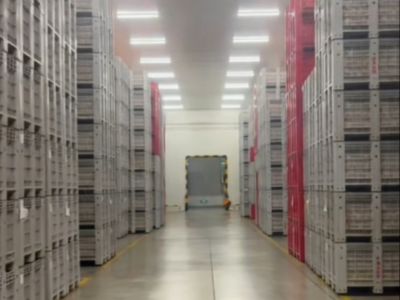
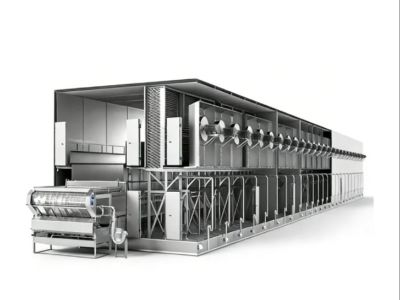
Choosing Cold Room Insulation Panels for Efficiency

Let's Discuss Your Needs

Every great collaboration starts with a friendly chat.
We're here to help you figure things out and find the best way forward.
Company Name
Name
Email
WhatsApp
Mobile

cold room insulation panels

Cold room insulation panels are essential components in the construction of cold storage facilities, freezers, and refrigerated transport systems. These panels play a critical role in maintaining the desired temperature for perishable goods, pharmaceuticals, and other temperature-sensitive products. For B2B buyers, selecting the right cold room insulation panels involves understanding specifications, material options, and the reliability of suppliers. This article will guide you through the key considerations for making an informed purchasing decision.

Reliable Suppliers of Cold Room Insulation Panels

Finding a dependable supplier is crucial for ensuring quality and performance. Look for manufacturers with a proven track record in the industry, such as Shanghai Zhaoxue Refrigeration Co., Ltd., known for producing energy-efficient cold storage solutions.

Industry Experience: Choose suppliers who have extensive experience in manufacturing cold room insulation panels. Their knowledge of the latest technologies and trends can be invaluable.

Certifications and Quality Assurance: Verify any certifications that demonstrate compliance with industry standards, such as ISO or HACCP. A robust quality control process is essential for ensuring that the panels meet required specifications.

Customization Capabilities: A reliable supplier should offer customization options to tailor panels to your specific needs, including variations in thickness, materials, and finishes.
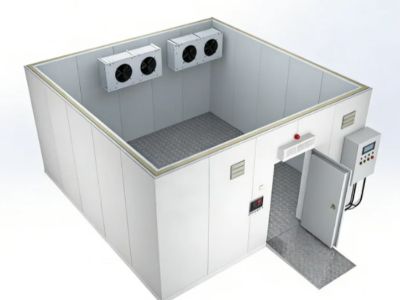
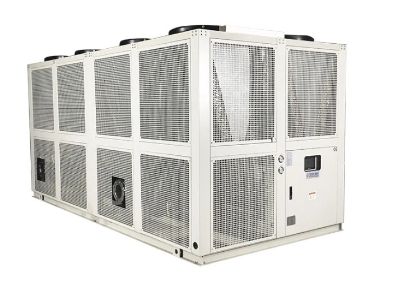
Key Specifications for High-Quality Cold Room Insulation Panels

Understanding the key specifications of cold room insulation panels is critical for making an informed purchasing decision. Here are some essential specifications to consider:

Material Thickness: Panel thickness impacts insulation performance. Thicker panels generally provide better thermal resistance, which is crucial for colder applications.

Insulation Material: Common materials include polyurethane, polystyrene, and fiberglass, each with unique thermal properties and cost implications. Polyurethane panels typically offer the highest R-value for their thickness.

Surface Finish: The surface finish should be smooth and easy to clean, especially in food and pharmaceutical applications. Stainless steel or coated surfaces can enhance cleanliness and durability.

Temperature Tolerance: Panels should be rated for the specific temperature ranges they will encounter. Ensure that the selected panels can withstand the conditions of your cold storage environment.

Material Advantages and Costs

The choice of insulation material significantly affects the performance and cost of cold room insulation panels.

Polyurethane Panels: These panels offer superior insulation properties, making them ideal for energy-efficient applications. However, they tend to be more expensive than other materials.

Polystyrene Panels: Generally more cost-effective, polystyrene panels provide good insulation but may not achieve the same R-values as polyurethane. They are suitable for less demanding temperature requirements.

Fiberglass Panels: While typically used in applications requiring less thermal performance, fiberglass panels are often the most affordable option. They can be useful in mild temperature environments but may not be suitable for strict cold storage needs.

Cost Considerations: When evaluating costs, consider not only the panel prices but also the potential energy savings that high-performance insulation can provide over time. For example, investing in Cooling Room solutions can lead to long-term savings.

Common Problems with Cold Room Insulation and Effective Solutions

Even with high-quality cold room insulation panels, common issues can arise that affect performance. Understanding these problems and their solutions can help ensure a successful installation.

Air Leakage: Poor sealing can lead to significant energy loss. Ensure that panels are properly sealed at joints and edges. Consider using high-quality sealants and checking for gaps during installation.

Moisture Ingress: Panels may absorb moisture if not properly sealed, leading to mold growth and reduced insulation effectiveness. Use moisture-resistant materials and ensure a proper vapor barrier is in place.

Thermal Bridging: Inadequate insulation at joints or connectors can create thermal bridges that compromise efficiency. Consider using continuous insulation systems or thermal breaks to minimize this effect.

Installation Errors: Improper installation can lead to performance issues. Ensure that installation teams are well-trained and follow best practices for handling and assembling panels.

By understanding these common challenges and proactively addressing them, buyers can enhance the longevity and performance of their cold room insulation systems.

In summary, selecting the right cold room insulation panels involves careful consideration of specifications, supplier reliability, material advantages, and potential challenges. By focusing on these key factors, purchasing managers and engineers can make informed decisions that ensure the effectiveness and efficiency of cold storage solutions.

How to Choose the Right Cold Room Insulation Panels for Your Project

When selecting cold room insulation panels, consider the specific requirements of your project. Key factors include the intended application, temperature range, and compliance with industry standards.

Application Suitability: Different industries have varying needs. For instance, food storage requires panels that meet health regulations, while pharmaceutical applications demand stringent temperature control.

Insulation Properties: Look for panels with high R-values, which indicate better thermal resistance. This is crucial for maintaining the efficiency of refrigeration systems and reducing energy costs. For optimal performance, consider using REFRIGERATION UNITS designed specifically for cold environments.

Size and Configuration: Ensure the panels fit your design specifications. Customization may be necessary to accommodate unique room dimensions or to integrate with existing structures.

Sealing and Joining Methods: Evaluate how the panels will be assembled. Proper sealing minimizes air leakage, which is vital for maintaining temperature and energy efficiency.

Frequently Asked Questions

What are cold room insulation panels used for?

They provide thermal insulation for cold storage rooms, freezers, and refrigerated logistics to maintain temperature, reduce energy use, and protect stored goods.
Panels typically use PIR, PU foam, or EPS cores with metal facings, chosen for thermal performance, fire rating, and durability per application needs.
Yes. We engineer custom panel sizes, thicknesses, joint types, and finish options to fit food, pharma, or logistics cold storage requirements.
High-R-value cores and tight tongue-and-groove joints minimize heat transfer and air leakage, reducing compressor runtime and overall energy consumption.
We supply installation guidelines, optional factory-trained installers, and maintenance recommendations for seals and surfaces to ensure long-term performance.

Our Blog Posts

what is the purpose of a cold room

03

Nov

what is the purpose of a cold room

The purpose of a cold room is essential for various industries, primarily focusing on the preservation and storage of temperature-sensitive products. This article delves into the role of cold rooms, specifically in the food industry, and provides ins...
View More
what is the standard temperature of chiller

03

Nov

what is the standard temperature of chiller

Understanding the standard temperature of chillers is crucial for multiple industries, including food, pharmaceuticals, and logistics. This article dives into the specifics of what is the standard temperature of a energy-efficient chillers, addressin...
View More
controlled atmosphere storage of fruits and vegetables

03

Nov

controlled atmosphere storage of fruits and vegetables

Controlled atmosphere storage of fruits and vegetables is a critical component in preserving the quality and extending the shelf life of produce. These specialized storage solutions regulate temperature, humidity, and gas composition to slow down rip...
View More
what are the advantages of food preservation

03

Nov

what are the advantages of food preservation

Food preservation is a critical process that extends the shelf life of perishable goods such as fruits, vegetables, meats, and dairy products. Understanding the advantages of food preservation can greatly benefit businesses in the food industry, incl...
View More

Leave a Message

Email
Name
Company Name
Message
0/1000

Related product categories