Essential Cold Room Panels for B2B Suppliers

Let's Discuss Your Needs

Every great collaboration starts with a friendly chat.
We're here to help you figure things out and find the best way forward.
Company Name
Name
Email
WhatsApp
Mobile

cold room panels suppliers

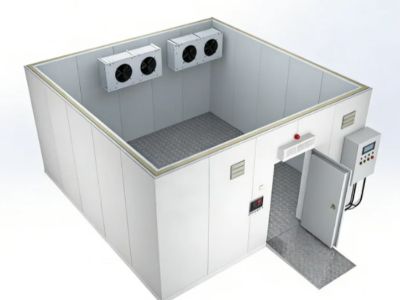
Cold room panels are essential components in the construction of energy-efficient cold storage rooms, freezers, and other refrigeration systems. As a B2B buyer, understanding the various options available from cold room panels suppliers is crucial for your purchasing decisions. This article will address key buyer concerns, including product specifications, quality evaluation, cost considerations, installation challenges, and applications in the food, pharmaceutical, and logistics industries. By the end, you will have a clearer understanding of how to choose the right cold room panels for your wholesale needs.

How to Evaluate the Quality of Cold Room Panels for Your Projects

Quality is paramount in cold room panels to ensure longevity and optimal performance. Buyers should assess several key factors when evaluating quality.

Material Quality: The type of insulation material directly affects thermal performance. Polyurethane, for example, offers a higher R-value, meaning better insulation efficiency. Check for certifications or third-party testing results that verify insulation performance.

Manufacturing Process: Understanding the manufacturing techniques used can provide insights into the durability of the panels. High-quality manufacturers utilize advanced production processes to ensure consistent panel dimensions and structural integrity.

Quality Control Measures: Reliable suppliers implement rigorous quality control processes, including inspections during production and final testing. Inquire about these measures to ensure the panels meet industry standards.

Warranty and Support: A strong warranty indicates the supplier's confidence in their product. Look for warranties that cover materials and workmanship, and ensure the supplier provides support for installation and maintenance.

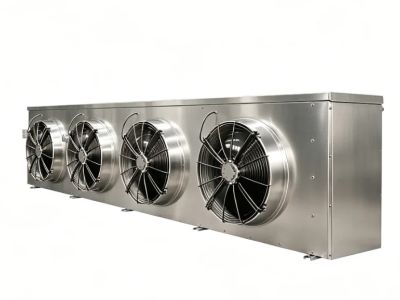
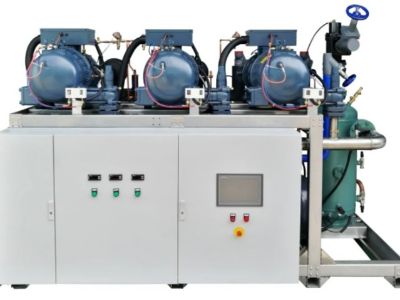
By evaluating these factors, buyers can ensure they are investing in high-quality cold room panels that will meet their operational needs. Additionally, considering refrigeration units that complement your cold room setup can further enhance efficiency.
Cost Factors to Consider When Purchasing Cold Room Panels in Bulk

Cost is a crucial consideration for B2B buyers, and several factors influence the pricing of cold room panels.

Material Costs: The choice of insulation material can significantly impact overall costs. Polyurethane panels, while more expensive upfront, may offer long-term savings through enhanced energy efficiency.

Quantity and Volume Discounts: Most suppliers offer discounts for bulk purchases. Assess your project requirements to determine the optimal order quantity that maximizes savings.

Customization Options: Custom-engineered panels often come at a premium. While customization may be necessary for specific applications, weigh the costs against the benefits of tailored solutions.

Shipping and Handling: Consider logistics costs, especially for international shipments. Understanding the total landed cost, including shipping, duties, and taxes, is essential for accurate budgeting.

By being mindful of these cost factors, buyers can make informed decisions that align with their budget and project requirements.

Common Problems in Cold Room Panel Installations and Their Solutions

Cold room panel installations can present challenges that may affect performance if not addressed properly. Here are some common issues and their solutions:

Improper Sealing: Gaps or poor seals between panels can lead to temperature fluctuations and energy loss. Utilize high-quality sealing materials and ensure that installation crews are trained to achieve airtight seals.

Incorrect Panel Orientation: Panels must be installed according to the manufacturer's specifications. Misalignment can compromise structural integrity and insulation performance. Always refer to technical drawings during installation.

Moisture Infiltration: Moisture can compromise insulation effectiveness and lead to mold growth. Ensure that the cold room is designed with appropriate vapor barriers and that panels are properly insulated against moisture ingress.

Insufficient Structural Support: If not installed on a sturdy framework, panels may sag or warp over time, leading to operational issues. Review the installation guidelines to ensure adequate support structures are in place.

By anticipating and addressing these common problems, buyers can optimize the efficiency and longevity of their cold room installations.

Applications of Cold Room Panels in Food, Pharma, and Logistics

Cold room panels have diverse applications across various industries, with specific requirements for each sector.

Food Industry: In food storage and processing, maintaining strict temperature control is vital. Cold room panels must comply with food safety regulations and be constructed from materials that resist contamination. Features like smooth surfaces and anti-microbial coatings are beneficial.

Pharmaceutical Sector: Cold storage in the pharmaceutical industry requires precise temperature management to preserve product efficacy. Panels used in this sector often need to meet stringent regulatory standards and provide superior insulation to prevent temperature fluctuations.

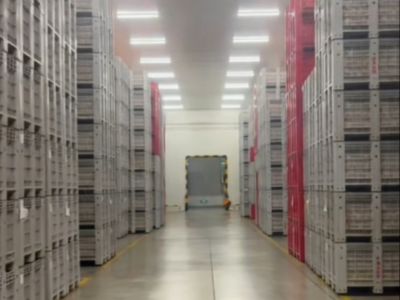
Logistics and Warehousing: In logistics, cold room panels facilitate efficient cold chain management. Panels should be designed for quick assembly and disassembly, allowing for flexible warehouse configurations. Energy efficiency is also a critical consideration to minimize operational costs. Additionally, incorporating ice machines can further streamline logistics operations.

Understanding these applications helps buyers select panels that meet industry-specific requirements, ensuring compliance and efficiency in their operations.

By considering these aspects, B2B buyers can make informed decisions when sourcing cold room panels to meet their specific needs in various sectors.

Choosing the Right Cold Room Panels for Your Wholesale Needs

When selecting cold room panels, buyers should consider material, thickness, insulation performance, and dimensions. Common materials include polyurethane and polystyrene, each offering different thermal insulation properties and structural integrity. For example, polyurethane panels provide superior insulation, making them ideal for environments requiring strict temperature control.

Thickness typically ranges from 50mm to 200mm, with thicker panels providing better thermal resistance. Buyers must assess the specific temperature requirements of their application to determine the appropriate insulation thickness. Additionally, the dimensions of the panels should align with the design of the cold storage facility to ensure proper fitting and sealing.

Customization is also a significant factor. Many cold room panels suppliers offer tailored solutions that can accommodate unique specifications, such as custom sizes or additional features like anti-microbial coatings. Understanding your specific needs will aid in selecting the right panels that optimize efficiency and performance.

Frequently Asked Questions

What types of cold room panels do you supply?

We supply insulated PU sandwich panels in various thicknesses and finishes for cold storage, blast freezing, and freezer rooms, customized for temperature range and structural needs.
Yes. Panels are engineered for variable temperatures from blast freeze to standard refrigeration, tailored insulation thickness and sealing to ensure stable conditions.
Yes. We offer turnkey services including panel installation, door fitting, refrigeration systems, and automated controls for temperature monitoring and remote management.
Our panels serve food processing, pharmaceutical storage, logistics and distribution, and any facility needing hygienic, energy-efficient cold storage solutions.
We use high-density insulation, precision manufacturing, tight panel joints, and integrated controls to minimize thermal loss and ensure durable, compliant cold storage performance.

Our Blog Posts

what is the purpose of a cold room

03

Nov

what is the purpose of a cold room

The purpose of a cold room is essential for various industries, primarily focusing on the preservation and storage of temperature-sensitive products. This article delves into the role of cold rooms, specifically in the food industry, and provides ins...
View More
how to clean condensing unit

03

Nov

how to clean condensing unit

Cleaning a condensing unit is essential for maintaining the efficiency and longevity of refrigeration systems, particularly in industries like food processing, pharmaceuticals, and logistics. Proper cleaning helps prevent malfunctions, reduces energy...
View More
what does evaporator coil do

03

Nov

what does evaporator coil do

Understanding what an evaporator coil does is essential for anyone involved in the purchasing or maintenance of refrigeration systems. These coils play a crucial role in cooling processes by absorbing heat from the environment, making them indispensa...
View More
controlled atmosphere storage of fruits and vegetables

03

Nov

controlled atmosphere storage of fruits and vegetables

Controlled atmosphere storage of fruits and vegetables is a critical component in preserving the quality and extending the shelf life of produce. These specialized storage solutions regulate temperature, humidity, and gas composition to slow down rip...
View More

Leave a Message

Email
Name
Company Name
Message
0/1000

Related product categories