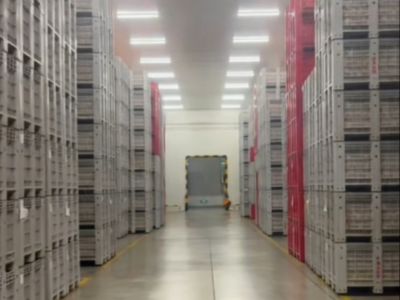
Choosing Cold Room Roof Panels for Efficient Storage

Let's Discuss Your Needs

Every great collaboration starts with a friendly chat.
We're here to help you figure things out and find the best way forward.
Company Name
Name
Email
WhatsApp
Mobile

cold room roof panels

Cold room roof panels are essential components in the construction of energy-efficient cold storage facilities, including warehouses, freezers, and ice production plants. As a B2B buyer, your primary concerns may include material quality, insulation properties, installation processes, and the overall compatibility of these panels with your specific project requirements. This article will guide you through selecting the right cold room roof panels, evaluating reliable suppliers, understanding installation guidelines, and exploring their applications, particularly in the food and pharmaceutical industries.

Reliable Suppliers of Cold Room Roof Panels

Finding a trustworthy supplier is essential for ensuring the quality and reliability of cold room roof panels. Here are some tips for evaluating potential suppliers:

Experience and Reputation: Look for suppliers with a proven track record in manufacturing cold storage solutions. Research their reputation within the industry and seek references from other clients.

Certifications and Standards: Ensure that the supplier adheres to relevant industry standards and certifications. Compliance with safety and quality regulations is a good indicator of a supplier's commitment to excellence.

Customization Capabilities: Depending on your project needs, you may require customized panels. Verify that the supplier has the capability to provide tailored solutions that meet your specifications. Consider how our Cold Room solutions can fit your specific needs.

Quality Assurance Processes: Inquire about the supplier’s quality control measures. A reliable supplier should have stringent testing protocols in place to ensure that every panel meets the desired performance criteria.
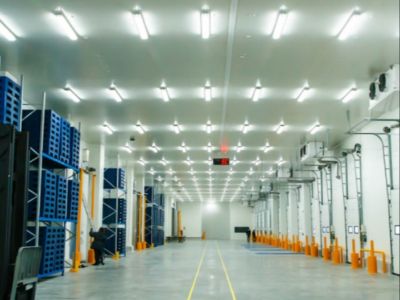
Installation Guidelines for Efficient Cold Room Roof Panels

Proper installation of cold room roof panels is crucial for achieving optimal performance and energy efficiency. Here are key guidelines to consider:

Site Preparation: Before installation, ensure that the site is adequately prepared, with a level foundation that can support the weight of the panels. Any debris or obstacles should be cleared to facilitate a smooth installation process.

Panel Handling: Handle panels with care to avoid damage. Ensure that lifting equipment is used where necessary, especially for larger panels that may be heavy and cumbersome.

Installation Technique: Follow the manufacturer’s recommended installation technique, which typically involves securing panels using appropriate fasteners. Ensure that joints are sealed correctly to prevent air leaks.

Inspection After Installation: After installation, conduct a thorough inspection to identify any gaps or issues that could compromise the cold room’s efficiency. Address any concerns immediately to ensure optimal performance.

Key Considerations

When selecting cold room roof panels, several key considerations can influence your final decision:

Cost Factors: While it may be tempting to choose lower-cost options, consider the long-term energy savings associated with higher-quality panels. Investing in better insulation may lead to reduced operational costs over time.

Lead Time and Availability: Understand the lead time for production and delivery. Ensure that the supplier can meet your project timeline, especially if you have tight deadlines.

Maintenance Requirements: Consider the maintenance needs of the roof panels. Some materials may require more frequent inspections or repairs, impacting your operational efficiency.

Environmental Impact: Evaluate the sustainability of the materials used in the panels. Choosing eco-friendly options may enhance your company’s commitment to sustainability and reduce your carbon footprint.

Applications of Cold Room Roof Panels in Food and Pharma Industries

Cold room roof panels are widely used in various applications, particularly within the food and pharmaceutical sectors. Here are some specific uses:

Food Storage: In the food industry, maintaining strict temperature control is critical to preventing spoilage and ensuring safety. Cold room roof panels with high insulation properties are essential for storing perishable goods, such as meat, dairy, and produce.

Pharmaceutical Storage: Pharmaceuticals often require refrigeration to maintain efficacy. Cold room roof panels designed for this industry must meet stringent regulatory requirements to ensure that temperature-sensitive products remain stable.

Logistics and Distribution: Cold storage facilities play a vital role in the logistics and distribution of temperature-sensitive products. Efficient cold room roof panels contribute to the overall reliability and efficiency of these supply chains.

Custom Solutions: Depending on specific application requirements, panels can be customized to accommodate unique dimensions, insulation requirements, and structural demands, ensuring that your cold storage facility operates efficiently. Our ICE MACHINE options can also complement your cold storage needs effectively.

By understanding these factors and considerations, you can make informed decisions that enhance the efficiency and effectiveness of your cold storage solutions.

Choosing the Right Cold Room Roof Panels for Your Projec

Selecting the appropriate cold room roof panels involves understanding several critical factors, such as insulation properties, structural integrity, and compatibility with existing systems. Typically, these panels are made from materials like polyurethane, polystyrene, or mineral wool, each offering varying thermal insulation capabilities crucial for maintaining temperature control.

Insulation Value: The insulation value, usually measured in R-value, indicates the panel's ability to resist heat flow. A higher R-value is preferred for cold storage applications, as it contributes to energy efficiency and minimizes operational costs.

Thickness and Dimensions: Panels come in various thicknesses and dimensions, impacting their thermal performance and structural capacity. Ensure that the selected panels meet the load requirements specific to your installation. For instance, thicker panels provide better insulation but may be heavier, necessitating adequate structural support.

Sealing and Joints: Proper sealing is vital for preventing air and moisture ingress. Look for panels with tongue-and-groove joints or additional sealing options that enhance the overall airtightness of the cold room.

Compatibility: Consider the compatibility of the roof panels with your existing cold storage system. Ensure that the panels can integrate seamlessly with other components like walls, refrigeration units, and insulation systems. For comprehensive cooling solutions, explore our REFRIGERATION UNITS that enhance the efficiency of cold storage.

Frequently Asked Questions

What materials are used in cold room roof panels?

Our roof panels use high-density polyurethane core with coated steel facings, providing thermal insulation, structural strength, and moisture resistance for reliable cold storage performance.
Yes. We custom-engineer roof panels to fit any room dimensions, load requirements, and integration with refrigeration and automation systems for food, pharma, or logistics.
Panels feature continuous insulation, tight interlocks, and low thermal conductivity polyurethane core to minimize heat gain and reduce refrigeration energy consumption.
Yes. Panels are designed for easy integration with sensors, ducting, lighting, and automated equipment used in our cold storage and freezer solutions.
With proper installation and routine inspection of seals and fixings, panels typically last decades. Minimal maintenance includes cleaning, seal checks, and prompt repair of any damage.

Our Blog Posts

what is the standard temperature of chiller

03

Nov

what is the standard temperature of chiller

Understanding the standard temperature of chillers is crucial for multiple industries, including food, pharmaceuticals, and logistics. This article dives into the specifics of what is the standard temperature of a energy-efficient chillers, addressin...
View More
how to set temperature in chiller

03

Nov

how to set temperature in chiller

Setting the correct temperature in a chiller is crucial for maintaining the quality and safety of sensitive products, especially in industries like food, pharmaceuticals, and logistics. This article will address key considerations for B2B buyers, inc...
View More
controlled atmosphere storage of fruits and vegetables

03

Nov

controlled atmosphere storage of fruits and vegetables

Controlled atmosphere storage of fruits and vegetables is a critical component in preserving the quality and extending the shelf life of produce. These specialized storage solutions regulate temperature, humidity, and gas composition to slow down rip...
View More
what are the advantages of food preservation

03

Nov

what are the advantages of food preservation

Food preservation is a critical process that extends the shelf life of perishable goods such as fruits, vegetables, meats, and dairy products. Understanding the advantages of food preservation can greatly benefit businesses in the food industry, incl...
View More

Leave a Message

Email
Name
Company Name
Message
0/1000

Related product categories