Choosing Quality Chiller Room Panels for Your Needs

Let's Discuss Your Needs

Every great collaboration starts with a friendly chat.
We're here to help you figure things out and find the best way forward.
Company Name
Name
Email
WhatsApp
Mobile

chiller room panels

Chiller room panels are essential components in cold storage facilities, ensuring optimal temperature control for perishable goods in industries such as food, pharmaceuticals, and logistics. As a B2B buyer, you may have concerns about material quality, energy efficiency, customization options, and cost-effectiveness. This article will provide practical insights into selecting the right chiller room panels, wholesale options, quality evaluation, cost factors, and their applications in various industries. For instance, understanding the benefits of Chiller Room technology can further enhance your choice.

Wholesale Options for Bulk Orders of Chiller Room Panels

When sourcing chiller room panels, wholesale options can significantly reduce costs, especially for large-scale projects. Manufacturers often provide competitive pricing for bulk orders, which can lead to cost savings without sacrificing quality. When negotiating wholesale options, consider the following factors:

Minimum Order Quantity (MOQ): Manufacturers typically set an MOQ for bulk orders. Be sure to confirm this requirement to align with your project size.

Lead Time: Understand the lead time for production and shipping. Depending on the complexity of your order, this can vary significantly. Ensure that the lead time aligns with your project timeline.

Shipping and Packaging: Discuss how the panels will be packaged and shipped. Proper packaging is crucial to prevent damage during transportation. Additionally, confirm shipping costs to evaluate the total expenditure.

By establishing a good relationship with your supplier and discussing your needs openly, you can negotiate favorable terms for your wholesale order.
Evaluating the Quality of Chiller Room Panels for Your Needs

Quality assurance is paramount when evaluating chiller room panels. Begin by examining the manufacturer's quality control processes. A reputable manufacturer should have established protocols for testing and inspecting panels throughout the production process. This includes assessing insulation effectiveness, structural integrity, and surface finish.

It is also beneficial to request certification documentation to verify compliance with industry standards. Common certifications include ISO 9001 for quality management systems and specific industry-related certifications ensuring safety and performance standards. This documentation can provide peace of mind that the panels will perform as expected in your application.

When receiving samples, conduct thorough inspections. Check for uniformity in thickness, surface defects, and insulation quality. Testing the panels under simulated operational conditions can also help confirm their suitability for your specific environment.

Cost Factors to Consider When Sourcing Chiller Room Panels

Understanding the cost structure of chiller room panels is essential for effective budgeting. Several factors influence the pricing, including:

Material Type: The choice between polyurethane and polystyrene can significantly affect costs. Polyurethane panels, while more expensive, offer better thermal performance.

Panel Thickness: As mentioned earlier, thicker panels typically come at a higher price point but provide superior insulation, which can lead to energy savings in the long run.

Customization Needs: Custom-engineered panels can incur additional costs. Be sure to weigh the benefits of customization against your budget constraints.

Volume Discounts: Bulk orders can qualify for discounts, making it essential to communicate your project size to your supplier.

Shipping Costs: Factor in transportation costs when evaluating total expenses. Some suppliers offer free shipping for large orders, which can be a significant advantage.

By assessing these factors, you can make informed decisions that align with your budget while ensuring you receive high-quality chiller room panels.

Applications of Chiller Room Panels in Food and Pharma Industries

Chiller room panels play a crucial role in the food and pharmaceutical industries, where maintaining specific temperature ranges is vital for product preservation and compliance with safety regulations. In the food industry, these panels are used in cold storage rooms, blast freezers, and refrigerated warehouses. They help maintain the integrity of perishable goods, reducing spoilage and waste.

In the pharmaceutical sector, chiller room panels are essential for ensuring that temperature-sensitive medications and vaccines remain effective. These applications require panels that not only provide reliable insulation but also meet stringent regulatory standards regarding hygiene and safety.

Furthermore, the logistics sector relies on chiller room panels for temperature-controlled transport solutions. Custom-engineered panels can be designed to fit various transport vehicles, ensuring that products remain within required temperature ranges during transit.

By understanding the specific applications of chiller room panels, buyers can better appreciate their importance in maintaining product quality across different industries.

How to Choose the Right Chiller Room Panels for Your Project

Selecting the appropriate chiller room panels involves several critical factors that directly affect the performance and efficiency of your cold storage solution. First, consider the material of the panels. Common options include polyurethane and polystyrene, each offering varying insulation properties. Polyurethane, for instance, provides superior thermal insulation, making it ideal for environments requiring stringent temperature control.

Next, assess the thickness of the panels, which typically ranges from 50mm to 150mm. Thicker panels often enhance insulation but may increase costs and weight. Evaluate the specific temperature requirements of your application to determine the optimal thickness. Additionally, the panel's surface finish can impact hygiene and maintenance; smooth surfaces are easier to clean and less prone to microbial growth.

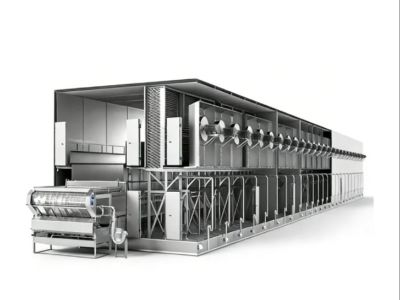
Customization is another key consideration. Depending on your project's specifications, you may require panels with specific dimensions or pre-fabricated cutouts for equipment installation. Collaborating with a manufacturer experienced in custom-engineered solutions, such as Shanghai Zhaoxue Refrigeration Co., Ltd., can help ensure that your chiller room panels meet all project requirements. For example, if you're considering a Self-stacking Spiral Freezers system, ensure your panels are compatible.

Frequently Asked Questions

What are chiller room panels used for?

Chiller room panels form insulated walls and ceilings for cold storage, maintaining stable temperatures for food, pharma, and logistics applications.
We provide high-density polyurethane and PIR core panels for superior thermal performance and low thermal bridging.
Yes. Panels are custom-engineered to your layout and integrate with our automated control and monitoring systems.
Tight joints, high R-value cores, and precision sealing reduce heat gain and compressor run-time, lowering energy consumption.
We offer manufacturing warranty, installation guidance, and global technical support for performance, maintenance, and spare parts.

Our Blog Posts

how to set temperature in chiller

03

Nov

how to set temperature in chiller

Setting the correct temperature in a chiller is crucial for maintaining the quality and safety of sensitive products, especially in industries like food, pharmaceuticals, and logistics. This article will address key considerations for B2B buyers, inc...
View More
what does evaporator coil do

03

Nov

what does evaporator coil do

Understanding what an evaporator coil does is essential for anyone involved in the purchasing or maintenance of refrigeration systems. These coils play a crucial role in cooling processes by absorbing heat from the environment, making them indispensa...
View More
what are the methods of food preservation

03

Nov

what are the methods of food preservation

Food preservation is a critical process for maintaining the quality and safety of perishable items, especially in the food industry. Understanding what are the methods of food preservation can help businesses minimize waste, ensure product integrity,...
View More
what are the advantages of food preservation

03

Nov

what are the advantages of food preservation

Food preservation is a critical process that extends the shelf life of perishable goods such as fruits, vegetables, meats, and dairy products. Understanding the advantages of food preservation can greatly benefit businesses in the food industry, incl...
View More

Leave a Message

Email
Name
Company Name
Message
0/1000

Related product categories