Choosing the Right Cooler Room Panels for Efficiency

Let's Discuss Your Needs

Every great collaboration starts with a friendly chat.
We're here to help you figure things out and find the best way forward.
Company Name
Name
Email
WhatsApp
Mobile

cooler room panels

Choosing the right cooler room panels is essential for efficient cold storage solutions in various industries, including food and pharmaceuticals. These panels play a critical role in maintaining temperature integrity, reducing energy consumption, and ensuring compliance with industry standards. As a buyer, you may have concerns about specifications, material selection, application suitability, and overall quality. This article will guide you through the key factors to consider when selecting cooler room panels, helping you make informed decisions that align with your project needs.

Key Specifications to Evaluate When Selecting Cooler Room Panels

When choosing cooler room panels, several key specifications must be evaluated to ensure optimal performance:

Thermal Conductivity: This indicates how well the panels insulate against heat transfer. Lower thermal conductivity values are preferable for energy efficiency.Panel Thickness: As mentioned, thickness affects the R-value and overall insulation performance. Determine the ideal thickness based on your specific temperature requirements.Material Properties: Consider factors such as moisture resistance, chemical compatibility, and fire rating. For instance, panels exposed to harsh chemicals or moisture should be selected with care to avoid degradation. Sealing Mechanism: Ensure the panels have proper sealing systems to prevent air leaks, which can undermine temperature control and lead to increased energy costs.Structural Integrity: Assess the load-bearing capacity of the panels, especially if they will support additional equipment or shelving.

By comparing these specifications against your project requirements, you can make a more informed selection.
How to Compare Different Cooler Room Panels for Quality Assurance

Quality assurance in cooler room panels is vital for long-term performance and reliability. To compare different options effectively, consider the following:

Manufacturer Reputation: Research manufacturers and their track records in producing cooler room panels. Companies with extensive experience in the industry typically adhere to higher quality standards.Certifications and Compliance: Check for relevant industry certifications, such as ISO or HACCP, which indicate adherence to quality management practices. Compliance with local regulations is also crucial for specific applications, particularly in the food and pharmaceutical sectors.Quality Control Processes: Inquire about the quality assurance measures in place during manufacturing. Robust quality control processes should include material inspections, dimensional checks, and performance testing.Warranty and Support: A solid warranty can provide peace of mind regarding the longevity of your investment. Ensure the manufacturer offers comprehensive support in case of any issues post-installation.Sample Testing: Whenever possible, request samples to test their suitability for your environment. Assess the performance under actual operating conditions to identify any potential issues before mass production.

Common Problems with Cooler Room Panels and Their Solutions

Despite their importance, cooler room panels can encounter several challenges. Here are common problems and their solutions:

Moisture Intrusion: A common issue is moisture penetrating the panels, leading to insulation degradation. To combat this, ensure you select moisture-resistant materials and install panels with effective sealing systems.

Thermal Bridging: Poorly designed joints can create thermal bridges that compromise insulation. To address this, use panels with integrated joint designs that minimize heat transfer.

Panel Warping: Warping can occur due to temperature fluctuations or poor quality materials. Invest in high-quality panels and consider reinforcing structures to maintain shape under varying conditions.

Installation Errors: Incorrect installation can lead to air leaks and poor insulation performance. Ensure that installers are trained and follow the manufacturer's guidelines meticulously.

Maintenance Issues: Regular inspection and maintenance are vital for longevity. Establish a maintenance schedule to check for signs of wear or damage and address them promptly.

Applications of Cooler Room Panels in Food and Pharma Industries

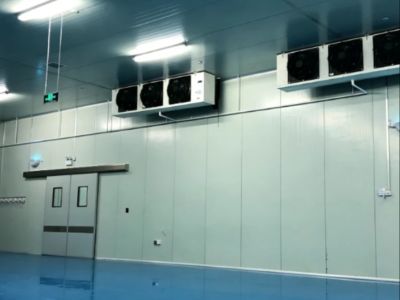
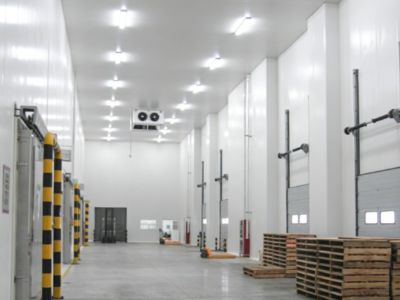
Cooler room panels are integral to various applications in the food and pharmaceutical industries.

In the food industry, these panels are typically used in refrigerated warehouses, blast freezers, and display cases. The panels help maintain strict temperature controls necessary for preserving perishable items, ensuring compliance with health regulations. For instance, in a meat processing facility, panels must insulate effectively against temperature swings to prevent spoilage. Utilizing solutions like the Blast Freezer can further enhance the preservation process.

In the pharmaceutical sector, cooler room panels are crucial for storing temperature-sensitive medications and vaccines. Proper insulation is essential to maintain the efficacy of these products, as even slight temperature deviations can compromise their integrity. Panels used in this context often require additional certifications to comply with regulatory standards.

Furthermore, as logistics and supply chains evolve, the need for energy-efficient and customizable cooler room panels has increased. Manufacturers like Shanghai Zhaoxue Refrigeration Co., Ltd. specialize in custom-engineered solutions that cater to the unique needs of these industries, including automation systems that enhance operational efficiency, such as Containerized Cold Room solutions.

Selecting the right cooler room panels involves careful consideration of specifications, quality assurance, and application suitability. By understanding these factors, you can ensure that your investment supports your operational goals and maintains the integrity of your cold storage solutions.

Choosing the Right Cooler Room Panels for Your Project Needs

When embarking on a cold storage project, the first step is selecting cooler room panels that meet your specific requirements. Consider the application—whether for food preservation, pharmaceutical storage, or logistics—and the environmental conditions the panels will face. For example, if the cooler room will be subjected to high humidity, select panels with appropriate moisture resistance.

Material choice is crucial; commonly used materials include polyurethane and polystyrene, each offering different insulation properties. Polyurethane panels provide superior thermal insulation, making them ideal for environments that require strict temperature control. On the other hand, polystyrene is often more cost-effective, suitable for less demanding applications.

Additionally, consider the panel thickness, which impacts the insulation value (R-value). A thicker panel generally offers better insulation but may also increase costs and weight. Evaluate your project's energy efficiency goals and budget constraints when making this decision.

Frequently Asked Questions

What are cooler room panels made of?

Our cooler room panels use high-density PU or PIR foam cores with corrosion-resistant metal facings, providing excellent thermal insulation and structural strength for cold storage, freezers, and controlled environments.
Yes. We custom-engineer panel sizes, thicknesses, joint styles, and finishes to match your layout, temperature range, and automation integration requirements for food, pharma, or logistics.
Panels are available for a wide range, from mild refrigeration to deep freezing (e.g., +10°C to -40°C), with thickness and insulation type specified to meet performance targets.
Panels use interlocking tongue-and-groove or cam-lock systems with food-grade seals. Our technicians or partners perform precise installation and sealing to ensure thermal integrity and hygiene.
Yes. We offer product warranties, performance guarantees, and global support for maintenance, spare parts, and integration with our automated refrigeration and ice systems.

Our Blog Posts

how to set cold room temperature

03

Nov

how to set cold room temperature

Setting the right cold room temperature is crucial for industries that rely on precise temperature control to maintain the quality and safety of their products. Whether you are in the food, pharmaceutical, or logistics sector, understanding how to se...
View More
what is a chiller used for

03

Nov

what is a chiller used for

Industrial chillers are critical components in various sectors, providing precise temperature control for a range of applications. Understanding what a energy-efficient chillers is used for can greatly influence purchasing decisions for business...
View More
what is the standard temperature of chiller

03

Nov

what is the standard temperature of chiller

Understanding the standard temperature of chillers is crucial for multiple industries, including food, pharmaceuticals, and logistics. This article dives into the specifics of what is the standard temperature of a energy-efficient chillers, addressin...
View More
what are the methods of food preservation

03

Nov

what are the methods of food preservation

Food preservation is a critical process for maintaining the quality and safety of perishable items, especially in the food industry. Understanding what are the methods of food preservation can help businesses minimize waste, ensure product integrity,...
View More

Leave a Message

Email
Name
Company Name
Message
0/1000

Related product categories