EN

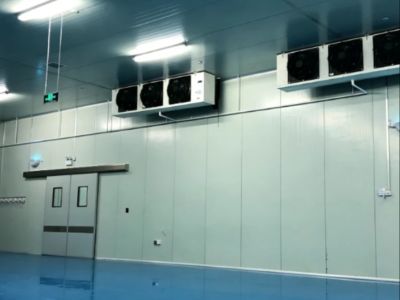
Refrigerated room panels are essential components for cold storage solutions, used widely in industries like food processing, pharmaceuticals, and logistics. Selecting the right panels is crucial, as they directly impact energy efficiency, operational costs, and the integrity of stored products. This article will guide B2B buyers—such as purchasing managers, engineers, and product managers—through the critical factors to consider when sourcing refrigerated room panels, including specifications, purchasing tips, and installation guidelines.
Key Specifications to Consider When Sourcing Refrigerated Room Panels
Several key specifications must be evaluated to ensure you select the right refrigerated room panels.
Insulation Type and R-Value: As mentioned, the insulation type affects thermal performance. The R-value should meet the requirements of your specific application, which can vary based on climate, product type, and operational efficiency goals.
Panel Thickness: Standard thicknesses range from 2 to 6 inches. A thicker panel generally provides better insulation but may also increase costs and weight.
Surface Material: The outer surface can be made from various materials, including galvanized steel, stainless steel, or aluminum. The choice will depend on environmental conditions, such as exposure to moisture or corrosive substances.
Sealing Mechanisms: Proper sealing is crucial to maintain temperature and prevent air leaks. Ensure the panels have high-quality seals that can withstand the operational conditions.
Load-Bearing Capacity: Depending on the application, panels may need to support additional equipment or storage loads. Confirm the load-bearing specifications with the manufacturer.
By understanding these specifications, buyers can prevent costly mistakes associated with inadequate thermal management or structural integrity.