How to Choose the Right Cold Room Container

Let's Discuss Your Needs

Every great collaboration starts with a friendly chat.
We're here to help you figure things out and find the best way forward.
Company Name
Name
Email
WhatsApp
Mobile

cold room container

Choosing the right cold room container is crucial for businesses in industries like food, pharmaceuticals, and logistics, where temperature control is paramount. Cold room containers are specialized storage units designed to maintain low temperatures, ensuring the preservation of perishable goods. This article aims to guide you through the essential factors to consider when selecting a cold room container, addressing common buyer concerns such as specifications, cost factors, and reliable sourcing options.

Key Specifications to Consider When Sourcing Cold Room Containers

Determining the right specifications for your cold room container involves several critical parameters:

Temperature Range: Identify the temperature requirements for your goods. Most cold room containers can maintain temperatures between -20°C to +4°C, but specific applications may require specialized units.

Insulation Thickness: The thickness of the insulation directly affects thermal efficiency. Thicker insulation can lead to lower energy costs by reducing the amount of cooling required to maintain the desired temperature.

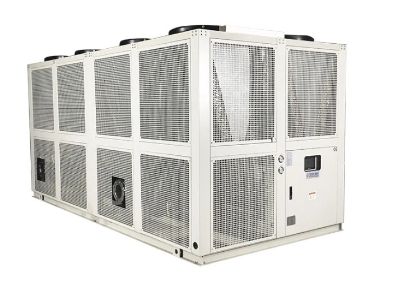
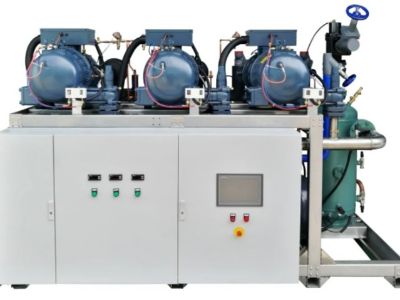
Cooling System: Evaluate the type of cooling system used in the container. Options may include vapor-compression systems or more advanced solutions like cascade refrigeration for extremely low temperatures.

Material Quality: Consider the materials used in the construction of the container. Stainless steel is often preferred for its durability and resistance to corrosion, while traditional materials may offer cost savings but may not provide the same longevity.

Compliance and Certifications: Ensure that the container meets relevant industry standards and certifications. This is particularly crucial in regulated industries such as pharmaceuticals, where compliance with health and safety regulations is mandatory.
Cost Factors to Consider for Bulk Orders of Cold Room Containers

When sourcing cold room containers, especially in bulk, several cost factors come into play:

Initial Cost vs. Long-term Savings: While the upfront cost of a cold room container is important, also consider the long-term savings from energy efficiency and durability. Investing in a high-quality unit, such as a Containerized Cold Room, may result in lower operational costs over time.

Customization Costs: Custom-engineered containers may incur additional costs. Be clear about your requirements when discussing options with manufacturers to avoid unexpected expenses.

Shipping and Handling: Factor in shipping costs, particularly if you’re importing containers from overseas. Additionally, consider any handling fees that may apply during transportation and installation.

Volume Discounts: Inquire about potential discounts for bulk orders. Many manufacturers offer price breaks based on order quantity, which can significantly reduce the overall cost.

Maintenance Expenses: Consider the maintenance requirements of the cold room container. Some units may require more frequent servicing or replacement parts, impacting your total cost of ownership.

Where to Buy Reliable Cold Room Containers for Your Business

Finding a trustworthy supplier for cold room containers is vital to ensuring quality and reliability. Start by researching manufacturers with a solid reputation in the industry, such as Shanghai Zhaoxue Refrigeration Co., Ltd.. Look for companies that specialize in cold storage solutions and have experience in your specific industry.

When evaluating potential suppliers, consider the following:

Customer Reviews and Case Studies: Check for customer testimonials and case studies that demonstrate the supplier's capabilities and performance in real-world applications.

Quality Assurance Practices: Ensure the manufacturer has stringent quality control processes in place. This includes inspections during production and testing of the final product to guarantee it meets specified standards.

After-sales Support: Reliable suppliers should offer robust after-sales support, including maintenance services and readily available spare parts.

Customization Options: Choose a supplier that can accommodate your unique requirements through customizable solutions, which can enhance the functionality of the cold room container.

A Buyeru2019s Guide

As you prepare to source cold room containers, keep the following checklist in mind to facilitate a smooth purchasing process:

Define Your Requirements: Clearly outline the temperature, capacity, and specific features needed for your application.Request Detailed Quotations: When reaching out to suppliers, provide comprehensive information, including required specifications, desired features, and expected delivery timelines.Review Samples: Always request samples or prototypes to assess the quality and suitability of the container before committing to a bulk order.Inspect Certifications: Verify that the cold room container meets necessary industry standards and certifications relevant to your sector.Evaluate Supplier Capabilities: Assess the manufacturer's production capabilities, including their experience in producing containers for your specific industry.Consider Lead Times: Discuss lead times with potential suppliers to ensure they can meet your project timelines.

By following these guidelines, you can make an informed decision when sourcing cold room containers, ensuring they meet your operational needs while providing long-term value.

How to Choose the Right Cold Room Container for Your Needs

When selecting a cold room container, it's essential to consider the specific requirements of your application. Start by assessing the type of goods you plan to store. For instance, if you're storing pharmaceuticals, you’ll need a unit that can maintain precise temperature controls and comply with industry regulations. Conversely, if you’re storing food products, focus on features like humidity control and airflow management.

Next, evaluate the size and capacity of the cold room container. Consider not just your current needs, but also potential future growth. A container that accommodates your future inventory can save you from costly replacements down the line. Additionally, assess the insulation material used in the container. High-quality insulation is vital for maintaining consistent temperatures and minimizing energy consumption.

Lastly, think about customization options. Many manufacturers, like Shanghai Zhaoxue Refrigeration Co., Ltd., offer tailored solutions to meet specific operational needs. Customization can include layout design, shelving options, and additional features like automated systems for monitoring conditions.

Frequently Asked Questions

What is a cold room container?

A cold room container is a portable, insulated refrigerated unit for storing perishable goods at controlled temperatures, delivered as a modular solution for food, pharma, and logistics needs.
We offer custom ranges from -40°C to +15°C, allowing freezing, refrigeration, and blast-chill settings tailored to product requirements and regulatory standards.
Yes. We provide custom-engineered layouts, insulation, shelving, temperature controls, and automation to meet specific capacity, workflow, and compliance needs.
Our designs use high-performance insulation, efficient compressors, and intelligent controls to minimize energy use while maintaining precise temperatures and reducing operational costs.
Yes. We offer global installation, commissioning, and optional remote monitoring and automation for real-time status, alarms, and maintenance support.

Our Blog Posts

10 Fascinating Facts About Cold Room You Never Knew!

12

Oct

10 Fascinating Facts About Cold Room You Never Knew!

The World's Largest "Refrigerator" Can Hold the Entire City of Rome. The global cold storage network is vast beyond imagination. For instance, the total storage capacity of one of North America's largest cold storage operators exceeds 400 million cub...
View More
how to set cold room temperature

03

Nov

how to set cold room temperature

Setting the right cold room temperature is crucial for industries that rely on precise temperature control to maintain the quality and safety of their products. Whether you are in the food, pharmaceutical, or logistics sector, understanding how to se...
View More
what is the standard temperature of chiller

03

Nov

what is the standard temperature of chiller

Understanding the standard temperature of chillers is crucial for multiple industries, including food, pharmaceuticals, and logistics. This article dives into the specifics of what is the standard temperature of a energy-efficient chillers, addressin...
View More
how to clean condensing unit

03

Nov

how to clean condensing unit

Cleaning a condensing unit is essential for maintaining the efficiency and longevity of refrigeration systems, particularly in industries like food processing, pharmaceuticals, and logistics. Proper cleaning helps prevent malfunctions, reduces energy...
View More

Leave a Message

Email
Name
Company Name
Message
0/1000

Related product categories