EN

Choosing the right cold room container is crucial for businesses in industries like food, pharmaceuticals, and logistics, where temperature control is paramount. Cold room containers are specialized storage units designed to maintain low temperatures, ensuring the preservation of perishable goods. This article aims to guide you through the essential factors to consider when selecting a cold room container, addressing common buyer concerns such as specifications, cost factors, and reliable sourcing options.
Key Specifications to Consider When Sourcing Cold Room Containers
Determining the right specifications for your cold room container involves several critical parameters:
Temperature Range: Identify the temperature requirements for your goods. Most cold room containers can maintain temperatures between -20°C to +4°C, but specific applications may require specialized units.
Insulation Thickness: The thickness of the insulation directly affects thermal efficiency. Thicker insulation can lead to lower energy costs by reducing the amount of cooling required to maintain the desired temperature.
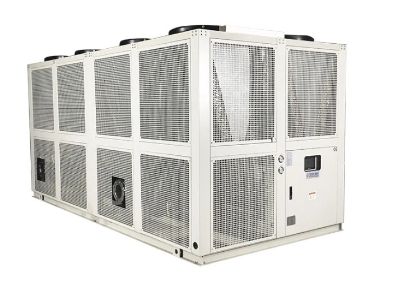
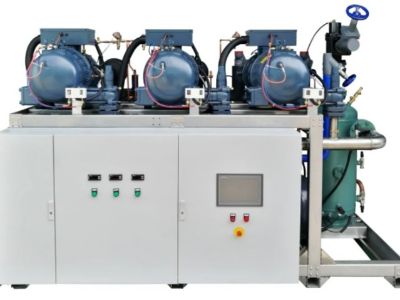
Cooling System: Evaluate the type of cooling system used in the container. Options may include vapor-compression systems or more advanced solutions like cascade refrigeration for extremely low temperatures.
Material Quality: Consider the materials used in the construction of the container. Stainless steel is often preferred for its durability and resistance to corrosion, while traditional materials may offer cost savings but may not provide the same longevity.
Compliance and Certifications: Ensure that the container meets relevant industry standards and certifications. This is particularly crucial in regulated industries such as pharmaceuticals, where compliance with health and safety regulations is mandatory.