EN

Investing in a cold room container for sale is a strategic decision for businesses in industries such as food, pharmaceuticals, and logistics. These specialized storage solutions are designed to maintain optimal temperatures for perishable goods, ensuring quality and compliance with industry standards. As a B2B buyer, you may have concerns about specifications, supplier reliability, and installation requirements. This article will guide you through essential considerations when selecting a cold room container, helping you make an informed purchasing decision.
Key Specifications to Consider When Purchasing Cold Room Containers
When evaluating cold room containers, several specifications must be considered to ensure they meet your operational needs:
Temperature Range: Determine the specific temperature requirements for your products. Cold room containers can range from chill storage at 0-5°C to deep freeze conditions below -18°C. Ensure the chosen model can maintain the required temperatures consistently.
Insulation Thickness: The insulation material and thickness directly affect energy efficiency and temperature stability. Higher insulation levels reduce energy consumption and maintain internal temperatures longer during power outages.
Material Construction: Common materials for cold room containers include steel, aluminum, and composite materials. Each has unique benefits, such as durability, weight, and resistance to corrosion. The choice of material should align with your environmental conditions and intended usage.
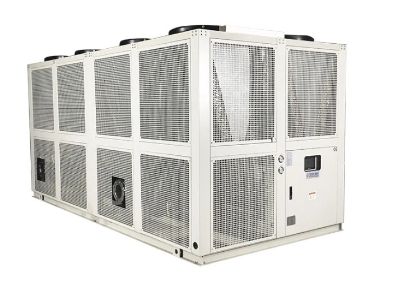
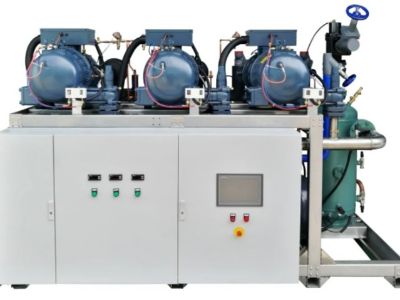
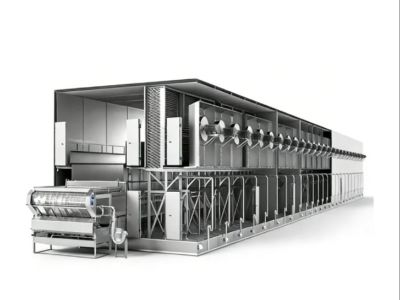
Cooling System Type: Evaluate the cooling technology utilized in the container. Options include direct expansion systems or central refrigeration systems, which can determine the efficiency and cooling speed. For instance, some might prefer a New Type Spiral Freezer for its advanced cooling capabilities.
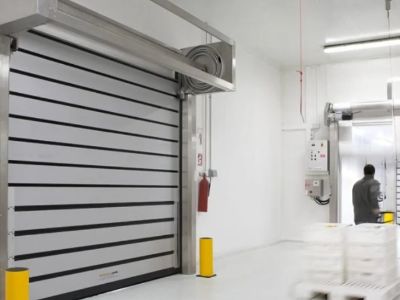
Access Points and Layout: Consider the design of the container, including door types and placement. Efficient access is crucial for operations, especially in high-volume environments.