Reliable Cold Room Containers for Sale

Let's Discuss Your Needs

Every great collaboration starts with a friendly chat.
We're here to help you figure things out and find the best way forward.
Company Name
Name
Email
WhatsApp
Mobile

cold room container for sale

Investing in a cold room container for sale is a strategic decision for businesses in industries such as food, pharmaceuticals, and logistics. These specialized storage solutions are designed to maintain optimal temperatures for perishable goods, ensuring quality and compliance with industry standards. As a B2B buyer, you may have concerns about specifications, supplier reliability, and installation requirements. This article will guide you through essential considerations when selecting a cold room container, helping you make an informed purchasing decision.

Key Specifications to Consider When Purchasing Cold Room Containers

When evaluating cold room containers, several specifications must be considered to ensure they meet your operational needs:

Temperature Range: Determine the specific temperature requirements for your products. Cold room containers can range from chill storage at 0-5°C to deep freeze conditions below -18°C. Ensure the chosen model can maintain the required temperatures consistently.

Insulation Thickness: The insulation material and thickness directly affect energy efficiency and temperature stability. Higher insulation levels reduce energy consumption and maintain internal temperatures longer during power outages.

Material Construction: Common materials for cold room containers include steel, aluminum, and composite materials. Each has unique benefits, such as durability, weight, and resistance to corrosion. The choice of material should align with your environmental conditions and intended usage.

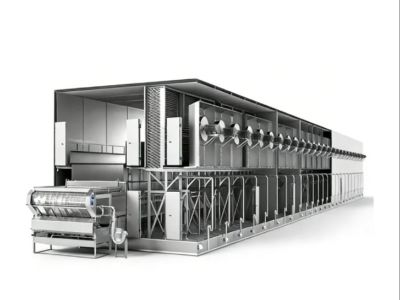
Cooling System Type: Evaluate the cooling technology utilized in the container. Options include direct expansion systems or central refrigeration systems, which can determine the efficiency and cooling speed. For instance, some might prefer a New Type Spiral Freezer for its advanced cooling capabilities.

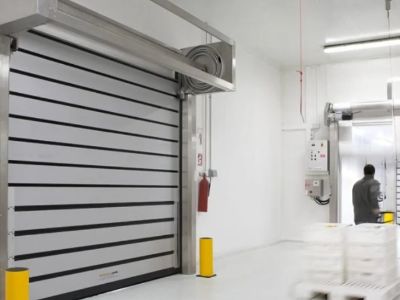
Access Points and Layout: Consider the design of the container, including door types and placement. Efficient access is crucial for operations, especially in high-volume environments.
Reliable Suppliers for Cold Room Containers

Finding a trustworthy supplier is vital for ensuring product quality and reliability. When evaluating suppliers, consider their manufacturing capabilities, industry experience, and customer feedback. Look for a supplier with a proven track record in producing cold storage solutions tailored to your industry requirements.

Shanghai Zhaoxue Refrigeration Co., Ltd. is an example of a manufacturer known for its energy-efficient cold storage solutions. Suppliers should also provide comprehensive support, including installation services, maintenance, and readily available spare parts. A supplier who understands regulatory compliance specific to your industry can help guide you through necessary certifications and quality standards.

What to Look for in Cold Room Containers

When assessing cold room containers, several key features should be closely examined:

Energy Efficiency: Look for containers designed with energy conservation in mind. Energy-efficient models not only lower operating costs but also contribute to sustainability goals.

Automation Features: Automated monitoring systems can help in tracking temperature and humidity levels in real-time, ensuring optimal storage conditions. Some containers may also offer remote access capabilities for monitoring and control.

Durability and Maintenance Requirements: Inspect the construction quality and ease of maintenance. A durable container will withstand the rigors of constant use, while easy maintenance features will minimize downtime.

Warranty and Support: Ensure the container comes with a comprehensive warranty covering both parts and labor. Also, inquire about the availability of technical support for troubleshooting.

Installation Guidelines for Your Cold Room Container Setup

Proper installation of your cold room container is crucial for optimal performance and longevity. Here are some guidelines to consider:

Site Preparation: Before installation, ensure that the site is level and stable. Consider factors such as drainage and accessibility for delivery vehicles.

Thermal Performance: Install the container in a shaded area if possible, as direct sunlight can affect the cooling efficiency. Ensure there is adequate airflow around the unit to avoid overheating.

Electrical Requirements: Verify that your power supply meets the cooling system's requirements. Work with a qualified electrician to ensure safe and compliant electrical installations.

Regular Maintenance: After installation, establish a routine maintenance schedule. Regular checks on seals, insulation integrity, and cooling systems will prevent costly repairs and ensure consistent performance.

By carefully considering these factors, you can select a cold room container that meets your business needs and supports your operational goals. With the right specifications and a reliable supplier, your investment will enhance your product storage capabilities, contributing to your overall success in the industry.

How to Choose the Right Cold Room Container for Your Business Needs

Selecting the appropriate cold room container involves understanding your unique business requirements. Start by assessing the types of products you need to store—different materials and temperature ranges may be necessary for food products compared to pharmaceuticals. Consider the volume of goods you need to store; this will influence the size and layout of the container. Additionally, evaluate the location of the installation site and any space restrictions, as these factors can affect accessibility and operational efficiency. For example, you might want to consider a Containerized Cold Room for flexible storage solutions.

Customization is also a key factor. Many manufacturers, like Shanghai Zhaoxue Refrigeration Co., Ltd., offer tailored solutions, so you can specify dimensions, insulation types, and cooling systems according to your operational needs. Ensure that your selected container can accommodate future growth or changes in inventory, allowing for scalability in your business.

Frequently Asked Questions

What sizes of cold room containers are available?

We offer customizable container sizes from single-unit walk-ins to multi-module cold rooms, tailored to your capacity and site requirements. Provide intended use and dimensions for a precise quote.
Yes. We engineer containers to meet pharmaceutical standards with temperature control, humidity regulation, GMP-compatible finishes, and validation documentation upon request.
Our containers support a wide range from -40°C to +25°C, depending on insulation and refrigeration choice. We select systems to maintain stable conditions for your product type.
Yes. We offer global installation, commissioning, remote monitoring options, training, and maintenance contracts to ensure continuous, energy-efficient operation.
We use high-performance insulation, efficient compressors, and smart controls to reduce energy use. Energy savings depend on size and usage; we can provide estimated consumption for your project.

Our Blog Posts

what is the standard temperature of chiller

03

Nov

what is the standard temperature of chiller

Understanding the standard temperature of chillers is crucial for multiple industries, including food, pharmaceuticals, and logistics. This article dives into the specifics of what is the standard temperature of a energy-efficient chillers, addressin...
View More
how to clean condensing unit

03

Nov

how to clean condensing unit

Cleaning a condensing unit is essential for maintaining the efficiency and longevity of refrigeration systems, particularly in industries like food processing, pharmaceuticals, and logistics. Proper cleaning helps prevent malfunctions, reduces energy...
View More
what are the methods of food preservation

03

Nov

what are the methods of food preservation

Food preservation is a critical process for maintaining the quality and safety of perishable items, especially in the food industry. Understanding what are the methods of food preservation can help businesses minimize waste, ensure product integrity,...
View More
what are the advantages of food preservation

03

Nov

what are the advantages of food preservation

Food preservation is a critical process that extends the shelf life of perishable goods such as fruits, vegetables, meats, and dairy products. Understanding the advantages of food preservation can greatly benefit businesses in the food industry, incl...
View More

Leave a Message

Email
Name
Company Name
Message
0/1000

Related product categories