How to Compare Blast Chillers for Wholesale Buying

Let's Discuss Your Needs

Every great collaboration starts with a friendly chat.
We're here to help you figure things out and find the best way forward.
Company Name
Name
Email
WhatsApp
Mobile

blast chiller

A blast chiller is a crucial piece of equipment in various industries, particularly for food service and pharmaceuticals, where rapid cooling is essential for preserving product quality and safety. For B2B buyers, understanding the features, specifications, and applications of blast chillers can significantly impact purchasing decisions. This article will guide you through the key considerations when comparing blast chillers, addressing common issues, sourcing suppliers, understanding cost factors, and exploring applications in your industry.

Common Problems with Blast Chillers and Effective Solutions

Many users encounter common issues with blast chillers, which can affect their performance and reliability. One prevalent problem is inadequate cooling due to improper loading. Overloading a blast chiller can impede air circulation, preventing it from achieving the desired temperatures. To address this, operators should follow manufacturer guidelines on load limits and ensure that items are spaced appropriately within the unit.

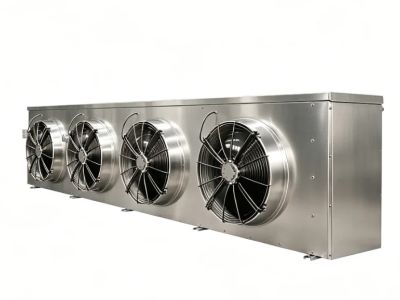
Another frequent concern is frost buildup inside the chiller, which can hinder efficiency and lead to increased energy consumption. Regular maintenance, including defrost cycles and cleaning the evaporator coils, can mitigate this issue. Implementing a routine inspection schedule helps identify potential problems before they escalate. Utilizing a Evaporator Unit for Cold Room can enhance the management of frost and maintain optimal performance.

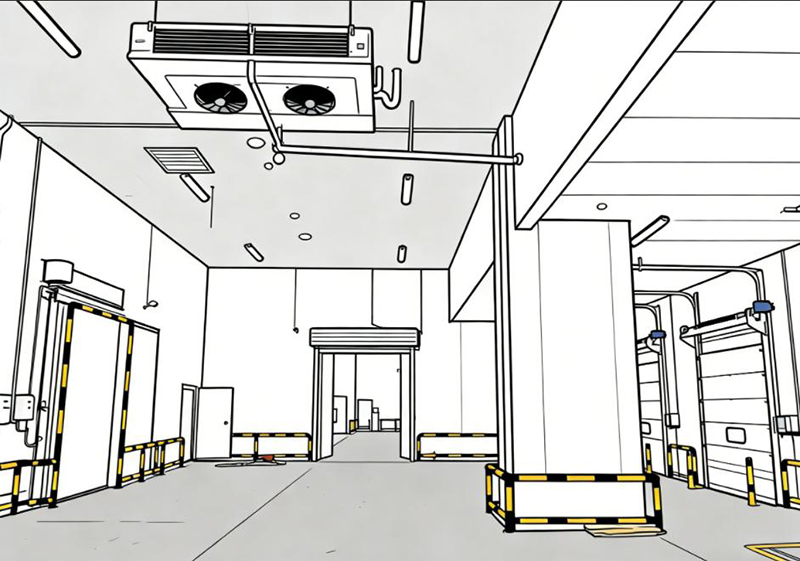
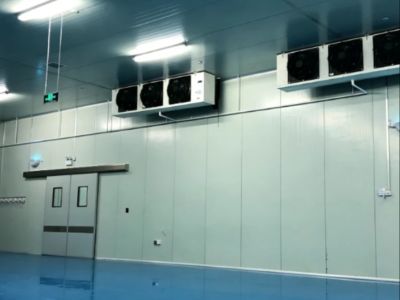
Lastly, improper installation can lead to operational inefficiencies. Ensuring that the blast chiller is placed in a location with adequate ventilation and away from heat sources is crucial for consistent performance. Engaging experienced professionals for installation can prevent these issues from arising and ensure optimal functionality.
Where to Source Reliable Suppliers for Blast Chillers in Bulk

Sourcing reliable suppliers for blast chillers involves several strategic steps. Start by researching manufacturers with a proven track record in the industry. Look for companies, like Shanghai Zhaoxue Refrigeration Co., Ltd., known for their engineering capabilities and commitment to energy-efficient solutions.

Trade shows and industry conferences are excellent venues for meeting suppliers face-to-face, allowing you to discuss your needs directly and evaluate their offerings. Additionally, consider leveraging online B2B marketplaces that specialize in industrial equipment. These platforms often provide reviews and ratings from previous buyers, which can help gauge a supplier's reliability.

When reaching out to potential suppliers, inquire about their production capabilities, lead times, and customization options. A supplier that can adapt their products to meet your specific requirements will be invaluable. Lastly, always request references or case studies from previous clients to assess their service quality and product performance.

Understanding the Cost Factors of Energy-Efficient Blast Chillers

The cost of energy-efficient blast chillers can vary significantly based on several factors. First, the initial purchase price includes the equipment's features, brand reputation, and capacity. High-performance models with advanced technology typically command higher prices but can lead to lower energy bills and shorter cooling times, offering long-term savings.

Operating costs are equally important. Energy-efficient models may have a higher upfront cost but can significantly reduce electricity expenses, especially in high-demand environments. Buyers should calculate the total cost of ownership, including maintenance and operational expenses, to make a well-informed decision.

Customization options can also affect pricing. If your application requires specific dimensions, advanced controls, or unique materials, be prepared for additional costs. It's advisable to discuss your requirements with suppliers upfront to receive accurate quotations and avoid surprises later in the procurement process.

Applications of Blast Chillers Across Food and Pharmaceutical Industries

Blast chillers serve a vital role in both the food and pharmaceutical industries, ensuring product safety and quality. In the food sector, they are essential for rapidly cooling cooked foods, which helps inhibit bacterial growth and preserve freshness. This is particularly crucial in large-scale operations, such as restaurants and catering companies, where maintaining food safety standards is paramount.

In the pharmaceutical industry, blast chillers are used to store sensitive products that require strict temperature control. Vaccines, for instance, need to be maintained within specific temperature ranges to ensure efficacy. A reliable blast chiller can provide the necessary environment to protect these products from spoilage.

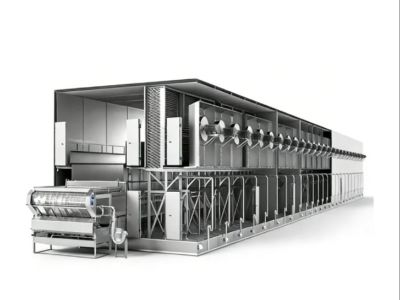
Both industries benefit from the versatility of blast chillers, as they can be used in various applications, including chilling liquids, freezing products, and even quick freezing of prepared meals. Understanding the specific needs of your industry will help guide the selection of the appropriate blast chiller for your business, whether that be a Impingement Freezer or another suitable option.

How to Compare Blast Chillers for Wholesale Purchasing Decisions

When evaluating blast chillers, buyers should focus on several critical specifications to ensure the equipment meets their operational needs. First, consider the cooling capacity, measured in BTUs (British Thermal Units), which indicates how quickly the unit can lower the temperature of a product. This is especially important in high-volume environments where time efficiency is critical.

Next, examine the temperature range. A blast chiller typically operates between -40°C to +70°C, but specific applications may require narrower ranges. Ensure the model you select aligns with your preservation requirements, especially for sensitive items like pharmaceuticals. For instance, a New Type Spiral Freezer might be suitable for certain temperature-sensitive applications.

Energy efficiency is another vital aspect. Look for models with high energy efficiency ratings, as these can lead to significant savings on operating costs over time. Additionally, consider the construction materials; stainless steel is preferred for its durability and ease of cleaning, which is necessary for compliance in food safety and pharmaceutical applications.

Lastly, evaluate the automation features. Advanced models can integrate with existing systems, providing real-time monitoring and control, which enhances operational efficiency. By comparing these aspects, buyers can make informed decisions that align with their specific needs and budget.

Frequently Asked Questions

What is a blast chiller and how does it work?

A blast chiller rapidly cools food by circulating very cold air to drop temperature quickly, preserving quality, texture and safety. Our systems use efficient compressors and automated cycles tailored to product profiles.
Food service, food processing, pharmaceuticals, cold-chain logistics and catering benefit from rapid cooling for safety, shelf life and quality control. Systems are engineered to each industry's hygiene and throughput needs.
Yes. We provide custom-engineered units and automated systems to fit your space, capacity, temperature profiles and integration with existing cold storage and logistics workflows.
Our designs prioritize high-efficiency compressors, insulated panels and optimized airflow to minimize power use while meeting rapid cooling targets. We engineer systems for long-term operational savings.
We offer installation guidance, commissioning, remote monitoring options, spare parts and maintenance plans. Training for operators and scheduled service ensure reliable performance and regulatory compliance.

Our Blog Posts

10 Fascinating Facts About Cold Room You Never Knew!

12

Oct

10 Fascinating Facts About Cold Room You Never Knew!

The World's Largest "Refrigerator" Can Hold the Entire City of Rome. The global cold storage network is vast beyond imagination. For instance, the total storage capacity of one of North America's largest cold storage operators exceeds 400 million cub...
View More
how to set cold room temperature

03

Nov

how to set cold room temperature

Setting the right cold room temperature is crucial for industries that rely on precise temperature control to maintain the quality and safety of their products. Whether you are in the food, pharmaceutical, or logistics sector, understanding how to se...
View More
what does evaporator coil do

03

Nov

what does evaporator coil do

Understanding what an evaporator coil does is essential for anyone involved in the purchasing or maintenance of refrigeration systems. These coils play a crucial role in cooling processes by absorbing heat from the environment, making them indispensa...
View More
what are the advantages of food preservation

03

Nov

what are the advantages of food preservation

Food preservation is a critical process that extends the shelf life of perishable goods such as fruits, vegetables, meats, and dairy products. Understanding the advantages of food preservation can greatly benefit businesses in the food industry, incl...
View More

Leave a Message

Email
Name
Company Name
Message
0/1000

Related product categories