EN

A blast chiller is a crucial piece of equipment in various industries, particularly for food service and pharmaceuticals, where rapid cooling is essential for preserving product quality and safety. For B2B buyers, understanding the features, specifications, and applications of blast chillers can significantly impact purchasing decisions. This article will guide you through the key considerations when comparing blast chillers, addressing common issues, sourcing suppliers, understanding cost factors, and exploring applications in your industry.
Common Problems with Blast Chillers and Effective Solutions
Many users encounter common issues with blast chillers, which can affect their performance and reliability. One prevalent problem is inadequate cooling due to improper loading. Overloading a blast chiller can impede air circulation, preventing it from achieving the desired temperatures. To address this, operators should follow manufacturer guidelines on load limits and ensure that items are spaced appropriately within the unit.
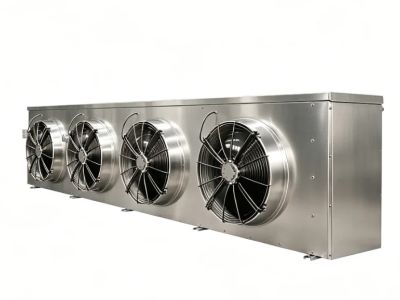
Another frequent concern is frost buildup inside the chiller, which can hinder efficiency and lead to increased energy consumption. Regular maintenance, including defrost cycles and cleaning the evaporator coils, can mitigate this issue. Implementing a routine inspection schedule helps identify potential problems before they escalate. Utilizing a Evaporator Unit for Cold Room can enhance the management of frost and maintain optimal performance.
Lastly, improper installation can lead to operational inefficiencies. Ensuring that the blast chiller is placed in a location with adequate ventilation and away from heat sources is crucial for consistent performance. Engaging experienced professionals for installation can prevent these issues from arising and ensure optimal functionality.