Key Insights on Blast Freezer Chillers

Let's Discuss Your Needs

Every great collaboration starts with a friendly chat.
We're here to help you figure things out and find the best way forward.
Company Name
Name
Email
WhatsApp
Mobile

blast freezer chiller

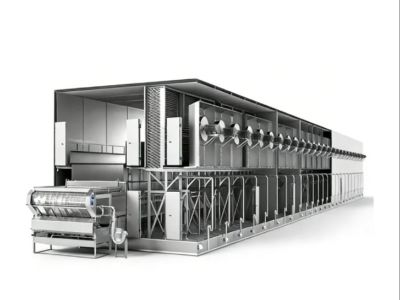
Blast freezer chillers are essential industrial refrigeration systems designed to rapidly reduce the temperature of products, primarily in the food and pharmaceutical sectors. These systems not only preserve product integrity but also enhance operational efficiency. For purchasing managers, distributors, and engineers, understanding the key specifications, sourcing options, quality control measures, and applications of blast freezer chillers is crucial for making informed decisions. This article aims to provide valuable insights into these areas, helping you navigate the complexities of selecting and utilizing blast freezer chillers effectively.

Where to Source Reliable Blast Freezer Chillers in Bulk

Sourcing reliable blast freezer chillers in bulk involves evaluating potential suppliers based on their manufacturing capabilities and track record. Start by identifying manufacturers with a proven history in industrial refrigeration. Shanghai Zhaoxue Refrigeration Co., Ltd., for instance, specializes in energy-efficient cold storage solutions and could be a viable option for bulk orders.

When approaching suppliers, request detailed product catalogs and specifications to ensure they meet your operational needs. Additionally, inquire about their production capacity and lead times, as these factors will impact your project timelines. It's also prudent to verify their export markets and experience, particularly if you are sourcing from overseas, to ensure compliance with local regulations.

Building a relationship with a supplier that offers customization can be beneficial. Engaging in discussions about your specific requirements enables manufacturers to provide tailored solutions that enhance the usability of their products.
Quality Control Measures for Blast Freezer Chiller Manufacturing

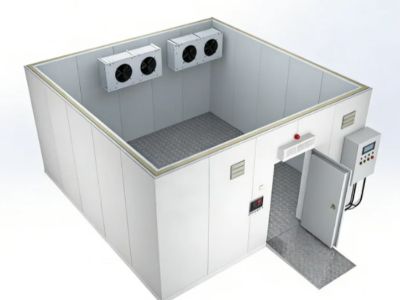
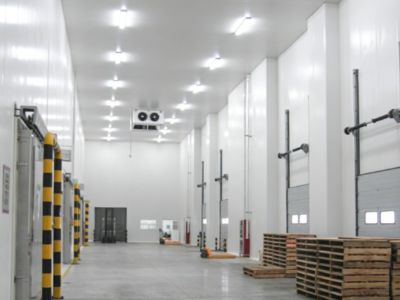
Quality control is paramount in the manufacturing of blast freezer chillers, given their critical role in temperature-sensitive applications. A robust quality management system should encompass several stages, including material selection, production processes, and final inspections.

During manufacturing, employing industry-standard practices such as ISO certifications ensures that products meet established benchmarks for safety and performance. Regular audits of production processes help identify potential issues early, allowing for timely interventions.

Moreover, buyers should ensure that the supplier conducts thorough testing under various operational conditions. This might include verifying the cooling performance, energy efficiency, and durability of components. Requesting documentation of these tests can provide buyers with confidence in the product's reliability.

Finally, engaging in quality inspections of samples prior to mass production can prevent costly mistakes. This step allows buyers to assess the fit and finish of the product and confirm that it meets their specific requirements.

Applications of Blast Freezer Chillers in Food and Pharma Industries

Blast freezer chillers find extensive applications in both the food and pharmaceutical industries. In the food sector, these systems are essential for preserving the quality of perishable items, including meats, seafood, and vegetables. Rapid freezing helps prevent the formation of large ice crystals, which can compromise texture and flavor. Additionally, blast freezers facilitate the safe storage of prepared meals and ice cream, allowing businesses to maintain product integrity during distribution.

In the pharmaceutical industry, blast freezer chillers play a critical role in preserving vaccines, biological samples, and other temperature-sensitive medications. Maintaining precise temperature control is vital to ensure efficacy and safety. The ability to quickly lower temperatures also prevents degradation, ensuring that pharmaceutical products remain viable throughout their shelf life.

Overall, understanding the specific applications of blast freezer chillers helps buyers make more informed decisions about the features and specifications that will best meet their operational needs.

Solutions to Common Problems with Blast Freezer Chillers

Despite their efficiency, blast freezer chillers can encounter several common issues that may affect performance. One prevalent problem is inadequate cooling, which can arise from several factors, including improper installation, insufficient airflow, or refrigerant leaks. Buyers should ensure that the installation is performed by qualified technicians and that the unit is regularly maintained to prevent such issues.

Another common concern is frost buildup, which can hinder performance and increase energy costs. Regular defrosting schedules and maintaining proper humidity levels can mitigate this problem. Additionally, implementing monitoring systems can help track temperature variations and alert users to any irregularities before they compromise product quality.

Lastly, operational noise can be an issue, particularly in environments where a quiet atmosphere is essential. Buyers should inquire about noise ratings and consider models designed for quieter operation if this is a concern.

By addressing these common issues proactively, buyers can enhance the longevity and efficiency of their blast freezer chillers, ensuring they continue to meet operational demands.

Key Specifications to Evaluate in Blast Freezer Chillers

When assessing blast freezer chillers, several key specifications should be prioritized. First, the cooling capacity, typically measured in BTUs or kilowatts, determines how quickly the unit can lower temperatures. This is critical for meeting production demands and ensuring product quality. Next, temperature range is vital; a blast freezer should ideally operate between -18°C and -40°C to accommodate various products.

Additionally, energy efficiency ratings, often denoted by EER or COP, can significantly impact operational costs. Higher efficiency ratings indicate reduced energy consumption, leading to long-term savings. Buyers should also consider the construction materials, such as stainless steel, which offer durability and ease of cleaning, essential for compliance in food processing environments. Furthermore, refrigeration units can play a complementary role in ensuring optimal conditions for your products.

Finally, customization capabilities are important. Depending on the specific application, buyers may require tailored features, such as automated controls, integrated monitoring systems, or specific dimensions to fit existing infrastructure. Confirming these specifications beforehand can prevent compatibility issues during installation.

Frequently Asked Questions

What is a blast freezer chiller used for?

A blast freezer chiller rapidly reduces product temperature to preserve quality, extend shelf life, and meet food safety standards for food, pharma, and logistics applications.
Yes. We design and build custom-engineered, automated blast freezer chillers tailored to capacity, workflow, and regulatory needs.
Our systems serve food processing, pharmaceuticals, cold chain logistics, and any facility needing rapid, reliable freezing and chilling.
Our units prioritize energy efficiency through optimized insulation, variable-speed compressors, and automated controls to reduce operating costs.
Yes. We provide site assessment, retrofit options, and control integration to seamlessly add blast freezers to existing cold chains and workflows.

Our Blog Posts

what is the purpose of a cold room

03

Nov

what is the purpose of a cold room

The purpose of a cold room is essential for various industries, primarily focusing on the preservation and storage of temperature-sensitive products. This article delves into the role of cold rooms, specifically in the food industry, and provides ins...
View More
what is a chiller used for

03

Nov

what is a chiller used for

Industrial chillers are critical components in various sectors, providing precise temperature control for a range of applications. Understanding what a energy-efficient chillers is used for can greatly influence purchasing decisions for business...
View More
what are the methods of food preservation

03

Nov

what are the methods of food preservation

Food preservation is a critical process for maintaining the quality and safety of perishable items, especially in the food industry. Understanding what are the methods of food preservation can help businesses minimize waste, ensure product integrity,...
View More
what are the advantages of food preservation

03

Nov

what are the advantages of food preservation

Food preservation is a critical process that extends the shelf life of perishable goods such as fruits, vegetables, meats, and dairy products. Understanding the advantages of food preservation can greatly benefit businesses in the food industry, incl...
View More

Leave a Message

Email
Name
Company Name
Message
0/1000

Related product categories