Choosing the Right Refrigeration Condensing Unit

Let's Discuss Your Needs

Every great collaboration starts with a friendly chat.
We're here to help you figure things out and find the best way forward.
Company Name
Name
Email
WhatsApp
Mobile

refrigeration condensing unit

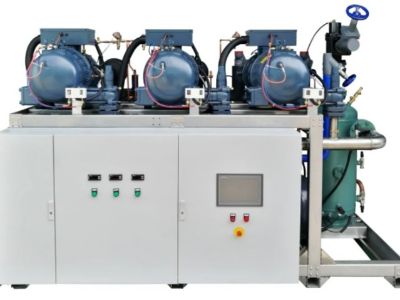
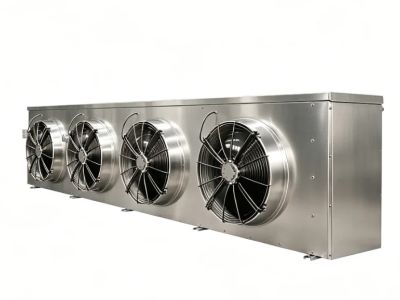
A refrigeration condensing unit is a crucial component in cooling systems, responsible for removing heat from refrigerants and maintaining optimal temperatures in various applications. For B2B buyers, understanding the features, costs, installation processes, and specific applications of these units is essential for making informed purchasing decisions. This article aims to guide you through the selection process, cost considerations, installation guidance, key features, and industry applications of refrigeration condensing units, ensuring you choose the right solution for your needs.

Understanding the Cost Factors of Refrigeration Condensing Units

The cost of refrigeration condensing units varies based on several factors, including type, capacity, and features. Generally, units designed for commercial use tend to be more expensive than residential models due to their larger capacities and more robust construction.

Type: Different types of condensing units, such as air-cooled, water-cooled, and evaporative, come with varying price points. Air-cooled units are typically less expensive and easier to install, while water-cooled systems may offer higher efficiency but require more complex installation.

Capacity: Larger units capable of handling more significant cooling loads will naturally cost more. When determining capacity, ensure to factor in future requirements, as undersized units can lead to inefficiencies and increased operational costs.

Features: Advanced features such as variable speed compressors, integrated controls, and energy-saving technologies can influence the initial cost. While these features may increase upfront expenses, they often lead to lower energy consumption and greater efficiency over time. Consider options like the Tunnel Freezer for specific applications that demand high efficiency.

Installation: Don’t overlook installation costs, which can vary based on the complexity of the installation and local labor rates. Ensure you budget for these expenses and factor in any necessary modifications to your facility.

By understanding these factors, you can better estimate the total cost and make an informed decision that aligns with your budget and operational needs.
Installation Guidance for Efficient Refrigeration Condensing Units

Proper installation of refrigeration condensing units is vital for optimal performance and efficiency. Here are key steps and considerations to ensure a successful installation:

Site Preparation: Select an appropriate location that allows for adequate airflow and is compliant with local regulations. Ensure the installation area is level and free from obstructions.

Electrical and Plumbing Considerations: Ensure that electrical connections meet the unit's specifications, and any plumbing requirements for water-cooled systems are correctly installed. Consult with a qualified electrician and plumber to ensure compliance with safety and building codes.

Ductwork and Insulation: If your system requires ductwork, ensure it is appropriately sized and insulated to minimize energy loss. Poorly designed duct systems can lead to inefficiencies and increased energy costs.

Quality Control Checks: After installation, conduct thorough quality control checks to confirm that all components are functioning correctly. Monitor system pressures, temperatures, and electrical connections to ensure everything operates within specified parameters.

Professional Assistance: If you lack experience with installations, consider hiring professionals to handle the installation process. This ensures compliance with safety regulations and optimizes the system's performance.

Following these guidelines will help you achieve an efficient installation, maximizing the value and lifespan of your refrigeration condensing unit.

Key Features to Consider

When evaluating refrigeration condensing units, several key features should be prioritized to ensure you choose a model that meets your operational needs:

Compressor Type: The type of compressor directly impacts performance and efficiency. Scroll compressors are quieter and more efficient, while reciprocating compressors are more common in smaller units. Choose based on your application's cooling load requirements and desired noise levels.

Energy Efficiency: Look for units with high SEER or EER ratings. Energy-efficient models can significantly reduce operational costs and contribute to sustainability goals.

Controls and Monitoring: Advanced control systems with digital displays allow for precise temperature management and can integrate with building management systems. This feature enhances usability and ensures optimal performance.

Durability and Build Quality: Choose units constructed from high-quality materials that can withstand the rigors of your operating environment. Corrosion-resistant coatings and robust components can lead to longer service life and lower maintenance costs.

Noise Levels: Depending on your installation site, noise levels may be a concern. Look for units designed with sound-dampening features if noise is a critical factor.

By focusing on these features, you can select a condensing unit that offers reliability, efficiency, and suitability for your specific application.

Applications of Refrigeration Condensing Units in Various Industries

Refrigeration condensing units serve crucial roles across multiple industries, including:

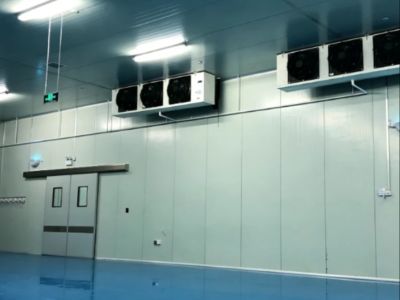
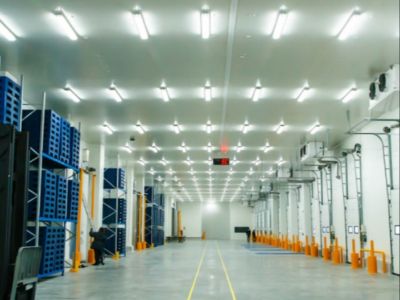
Food and Beverage: In commercial kitchens and cold storage facilities, these units maintain safe temperatures for perishables, helping to prevent spoilage and ensure food safety.

Pharmaceuticals: In the pharmaceutical industry, refrigeration units are essential for storing temperature-sensitive medications and vaccines. Compliance with strict regulatory standards is critical, making reliable performance paramount.

Logistics and Transportation: Refrigeration condensing units are integral to refrigerated trucks and shipping containers, ensuring that temperature-sensitive goods maintain their integrity throughout the supply chain.

Retail: Supermarkets and convenience stores rely on refrigeration units for display cases and storage, enabling them to showcase products while keeping them at safe temperatures.

Understanding these applications will help you appreciate the importance of selecting the right refrigeration condensing unit tailored to your industry-specific needs, ensuring reliable performance and compliance with relevant standards.

By carefully considering the factors discussed, B2B buyers can make informed decisions regarding refrigeration condensing units, optimizing their operations and enhancing efficiency.

How to Choose the Right Refrigeration Condensing Unit for Your Needs

Selecting the right refrigeration condensing unit involves assessing several key factors. First, consider the cooling capacity required for your application, typically measured in BTUs (British Thermal Units) or tons. This requirement depends on the size of the space to be cooled and the types of products being stored, such as food or pharmaceuticals.

Next, evaluate the environmental conditions where the unit will operate. For instance, outdoor units need to withstand varying weather conditions, while indoor units may require different specifications. The type of refrigerant used is also crucial; options like R-410A and R-134A have different efficiency levels and environmental impacts.

Customization options play a significant role in the selection process. For example, Shanghai Zhaoxue Refrigeration Co., Ltd. offers custom-engineered units tailored to specific requirements, which can enhance efficiency and performance. Discuss your cooling needs with your supplier to explore suitable customization options. Additionally, consider integrating systems like Self-stacking Spiral Freezers to maximize your cooling efficiency.

Lastly, consider energy efficiency ratings, such as SEER (Seasonal Energy Efficiency Ratio) or EER (Energy Efficiency Ratio). Higher ratings can lead to lower operational costs over time, making them a smart investment for businesses focused on sustainability and cost-efficiency.

Frequently Asked Questions

What is a refrigeration condensing unit?

A refrigeration condensing unit compresses refrigerant, rejects heat, and supplies cooled refrigerant to evaporators for cold rooms, freezers, or ice machines.
We offer custom-engineered units across a range of capacities to match small walk-ins up to large cold storage facilities per project specifications.
Yes. Units are designed for integration with automated controls, remote monitoring, and PLC systems for food, pharma, and logistics operations.
Our units use high-efficiency compressors, optimized heat exchangers, and control strategies to reduce energy use and operating costs.
We offer manufacturer warranties, commissioning support, and global after-sales service including spare parts, maintenance, and remote troubleshooting.

Our Blog Posts

how to set cold room temperature

03

Nov

how to set cold room temperature

Setting the right cold room temperature is crucial for industries that rely on precise temperature control to maintain the quality and safety of their products. Whether you are in the food, pharmaceutical, or logistics sector, understanding how to se...
View More
how to set temperature in chiller

03

Nov

how to set temperature in chiller

Setting the correct temperature in a chiller is crucial for maintaining the quality and safety of sensitive products, especially in industries like food, pharmaceuticals, and logistics. This article will address key considerations for B2B buyers, inc...
View More
how to clean condensing unit

03

Nov

how to clean condensing unit

Cleaning a condensing unit is essential for maintaining the efficiency and longevity of refrigeration systems, particularly in industries like food processing, pharmaceuticals, and logistics. Proper cleaning helps prevent malfunctions, reduces energy...
View More
what does evaporator coil do

03

Nov

what does evaporator coil do

Understanding what an evaporator coil does is essential for anyone involved in the purchasing or maintenance of refrigeration systems. These coils play a crucial role in cooling processes by absorbing heat from the environment, making them indispensa...
View More

Leave a Message

Email
Name
Company Name
Message
0/1000

Related product categories