EN

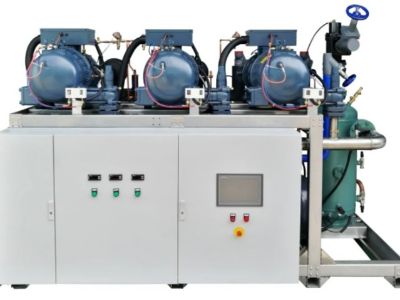
A refrigeration condensing unit is a crucial component in cooling systems, responsible for removing heat from refrigerants and maintaining optimal temperatures in various applications. For B2B buyers, understanding the features, costs, installation processes, and specific applications of these units is essential for making informed purchasing decisions. This article aims to guide you through the selection process, cost considerations, installation guidance, key features, and industry applications of refrigeration condensing units, ensuring you choose the right solution for your needs.
Understanding the Cost Factors of Refrigeration Condensing Units
The cost of refrigeration condensing units varies based on several factors, including type, capacity, and features. Generally, units designed for commercial use tend to be more expensive than residential models due to their larger capacities and more robust construction.
Type: Different types of condensing units, such as air-cooled, water-cooled, and evaporative, come with varying price points. Air-cooled units are typically less expensive and easier to install, while water-cooled systems may offer higher efficiency but require more complex installation.
Capacity: Larger units capable of handling more significant cooling loads will naturally cost more. When determining capacity, ensure to factor in future requirements, as undersized units can lead to inefficiencies and increased operational costs.
Features: Advanced features such as variable speed compressors, integrated controls, and energy-saving technologies can influence the initial cost. While these features may increase upfront expenses, they often lead to lower energy consumption and greater efficiency over time. Consider options like the Tunnel Freezer for specific applications that demand high efficiency.
Installation: Don’t overlook installation costs, which can vary based on the complexity of the installation and local labor rates. Ensure you budget for these expenses and factor in any necessary modifications to your facility.
By understanding these factors, you can better estimate the total cost and make an informed decision that aligns with your budget and operational needs.