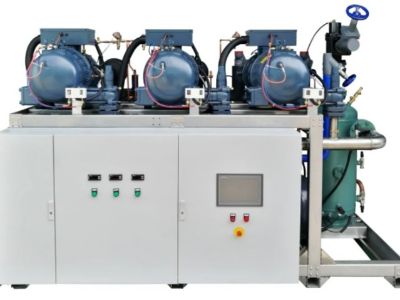
Condensing Units: A Buyer's Guide for B2B Purchases

Let's Discuss Your Needs

Every great collaboration starts with a friendly chat.
We're here to help you figure things out and find the best way forward.
Company Name
Name
Email
WhatsApp
Mobile

condensing unit

When sourcing condensing units, B2B buyers face a variety of challenges, including ensuring energy efficiency, compatibility with existing systems, and compliance with industry standards. Condensing units are crucial components in refrigeration systems, commonly used in food storage, pharmaceuticals, and logistics. This article will help you understand key specifications to look for, tips for wholesale purchasing, how to find reliable suppliers, factors affecting costs, and common installation challenges associated with condensing units.

Where to Source Reliable Condensing Units for Wholesale Purchase

When purchasing condensing units in bulk, it is essential to adopt a strategic approach to maximize value and efficiency. Here are some tips to enhance your wholesale purchasing experience:

Understand Your Needs: Clearly define the specifications and quantities required for your operations. This clarity aids in communicating your requirements to suppliers and ensures they can meet your demands.

Request Samples: Before finalizing a bulk order, request samples of the condensing units. Testing these samples under actual operating conditions can reveal potential issues that may not be apparent in a catalog or brochure.

Negotiate Pricing: Bulk orders often come with the opportunity for significant discounts. Engage suppliers in discussions about volume pricing, payment terms, and delivery schedules to secure favorable terms.

Check Minimum Order Quantities (MOQ): Different suppliers may have varying MOQs. Ensure that the quantities you intend to order align with these requirements to avoid unnecessary delays or increased costs.

Review Warranty and Support Terms: A robust warranty and good post-purchase support can save you money and hassle in the long run. Confirm warranty details and service provisions before concluding a deal.

By following these tips, you can navigate the complexities of bulk purchasing while ensuring you obtain reliable, high-quality condensing units.
Best Practices

Finding trustworthy suppliers is essential for securing quality condensing units. Here are several avenues to explore:

Industry Trade Shows: Attending trade shows allows buyers to meet manufacturers and suppliers face-to-face. This interaction offers opportunities to discuss product specifications, view units firsthand, and build relationships.

Online B2B Marketplaces: Platforms like Alibaba, ThomasNet, and Global Sources host numerous suppliers. However, it’s crucial to conduct thorough research, including checking reviews and ratings, before engaging with any supplier.

Manufacturer Directories: Utilize directories that specialize in industrial and manufacturing suppliers. These resources often provide detailed information about manufacturers’ capabilities, certifications, and client testimonials.

Industry Associations: Joining industry-specific associations can connect you with reputable suppliers. Associations often have member directories and resources to help members find reliable partners.

Referrals: Networking with industry peers can yield valuable recommendations for trusted suppliers. Personal experiences can be incredibly informative when evaluating potential suppliers.

By leveraging these resources, you can build a shortlist of reliable suppliers who can meet your condensing unit needs effectively.

Applications of Condensing Units in Food and Pharmaceutical Industries

Several factors influence the pricing of condensing units, and understanding these can help buyers make more informed purchasing decisions.

Specifications and Features: Higher capacity, advanced features, and energy efficiency ratings typically result in higher prices. Buyers should weigh these specifications against their operational needs to determine the best investment.

Material Quality: The materials used in the construction of the condensing unit, such as the compressor, coils, and housing, impact durability and performance. More robust materials may incur higher upfront costs but lead to lower maintenance expenses over time.

Manufacturing Processes: Units produced with advanced technology or stringent quality control measures may carry a premium. Understanding the manufacturing process can help buyers assess the value behind the price.

Supplier Reputation: Established suppliers with a strong track record may charge more due to their reliability and service history. Investing in a reputable supplier can lead to long-term savings through better support and fewer issues.

Shipping and Handling: Transportation costs can significantly impact the final price, especially for bulk orders. Buyers should consider the location of the supplier and shipping logistics when evaluating total costs.

By considering these factors, buyers can better navigate pricing discussions and find a condensing unit that fits their budget while meeting their operational needs.

Understanding Material Advantages in High-Quality Condensing Units

Installing condensing units can present various challenges that, if not addressed, can affect performance and reliability. Here are common installation issues and their solutions:

Space Constraints: Limited installation space can complicate proper airflow and accessibility for maintenance. To mitigate this, conduct a thorough site assessment before installation to ensure adequate space and access for servicing.

Incorrect Sizing: An improperly sized unit can lead to inefficiencies and increased wear. Collaborate with engineers or manufacturers to select the appropriate size based on your specific cooling requirements.

Electrical Connections: Improper electrical connections can lead to system failures. Ensure all electrical work is performed by qualified professionals, and double-check connections before startup.

Vibration and Noise: Excessive vibration can lead to wear and disturbances in the operational environment. Utilize vibration-dampening mounts and ensure the unit is installed on a stable platform to minimize these issues.

Insufficient Refrigerant Charging: Incorrect refrigerant levels can impair system performance. Follow manufacturer guidelines for charging refrigerants and consider hiring certified technicians for this process.

By proactively addressing these challenges, businesses can ensure successful installations and optimal performance from their condensing units, ultimately leading to improved operational efficiency.

A Buyeru2019s Guide

When assessing condensing units, several key specifications should be prioritized to ensure optimal performance and compatibility with your application.

Cooling Capacity: Measured in BTUs per hour, this specification indicates how much heat a unit can remove from a given space. Selecting a condensing unit with inadequate capacity can lead to inefficient cooling and increased energy costs.

Refrigerant Type: The choice of refrigerant affects the efficiency and environmental impact of the system. Ensure the selected unit uses a refrigerant that complies with regional regulations and is suitable for your application.

Energy Efficiency Ratio (EER): This rating measures the cooling output divided by the energy consumed. A higher EER indicates better energy efficiency, which is crucial for reducing operational costs over time.

Operating Range: Understanding the temperature and pressure ranges within which a condensing unit operates is essential for ensuring it fits the required application. Units should be tailored to handle specific operational conditions.

Dimensions and Weight: Ensure that the unit's size fits the intended installation space and that it can be supported adequately. Oversized or heavy units may require additional structural support.

Noise Level: Measured in decibels (dB), noise levels can greatly affect operational environments, especially in commercial settings. Ensure you select a model that meets your noise requirements.

By carefully evaluating these specifications, buyers can make informed decisions that align with their operational needs and budget. Additionally, considering options like refrigeration units can further enhance performance and efficiency.

Frequently Asked Questions

What is a condensing unit used for?

A condensing unit removes heat from refrigeration systems to cool cold storage, freezers, or ice machines in food, pharma, and logistics applications.
Yes. We design and manufacture custom-engineered condensing units tailored to capacity, refrigerant, and automation needs for each project.
We support industry-standard low-GWP and HFC refrigerants. Specific refrigerant options are selected based on efficiency, regulations, and client requirements.
Units include energy-efficient compressors, variable-speed controls, optimized heat exchangers, and automation to minimize energy use and operational costs.
We provide installation guidance, commissioning, maintenance plans, spare parts, and remote or on-site technical support worldwide.

Our Blog Posts

how to set cold room temperature

03

Nov

how to set cold room temperature

Setting the right cold room temperature is crucial for industries that rely on precise temperature control to maintain the quality and safety of their products. Whether you are in the food, pharmaceutical, or logistics sector, understanding how to se...
View More
how to set temperature in chiller

03

Nov

how to set temperature in chiller

Setting the correct temperature in a chiller is crucial for maintaining the quality and safety of sensitive products, especially in industries like food, pharmaceuticals, and logistics. This article will address key considerations for B2B buyers, inc...
View More
how to clean condensing unit

03

Nov

how to clean condensing unit

Cleaning a condensing unit is essential for maintaining the efficiency and longevity of refrigeration systems, particularly in industries like food processing, pharmaceuticals, and logistics. Proper cleaning helps prevent malfunctions, reduces energy...
View More
controlled atmosphere storage of fruits and vegetables

03

Nov

controlled atmosphere storage of fruits and vegetables

Controlled atmosphere storage of fruits and vegetables is a critical component in preserving the quality and extending the shelf life of produce. These specialized storage solutions regulate temperature, humidity, and gas composition to slow down rip...
View More

Leave a Message

Email
Name
Company Name
Message
0/1000

Related product categories