Cold Room Glass Doors for Efficient Storage Solutions

Let's Discuss Your Needs

Every great collaboration starts with a friendly chat.
We're here to help you figure things out and find the best way forward.
Company Name
Name
Email
WhatsApp
Mobile

cold room glass doors

Cold room glass doors are essential components in the cold storage industry, designed to provide efficient access to refrigerated spaces while maintaining optimal temperature control. For B2B buyers like purchasing managers and engineers, the primary concerns typically include energy efficiency, durability, and the suitability for specific applications in sectors such as food and pharmaceuticals. This article aims to help prospective buyers understand what to look for in cold room glass doors, their features and benefits, installation requirements, cost factors, and their applications in various industries.

Features and Benefits

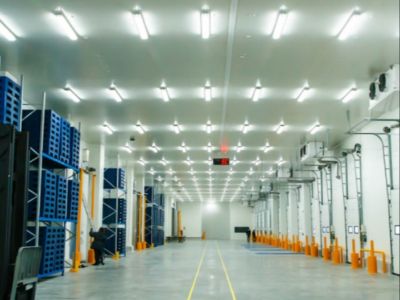
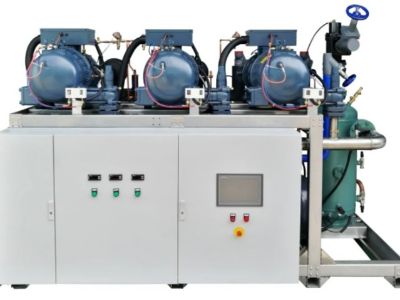
Cold room glass doors offer a range of features that enhance their usability and efficiency. One significant benefit is energy efficiency; well-insulated glass doors can significantly reduce energy consumption by minimizing heat exchange. This is particularly important in industries that require strict temperature control, such as food storage and pharmaceuticals. Integrating these doors into a reliable REFRIGERATION UNITS system can boost overall performance.

Another advantage is visibility. Transparent glass allows for easy viewing of stored items without the need to open doors, reducing temperature fluctuations and improving operational efficiency. Furthermore, many cold room glass doors come with automated opening systems, which can enhance user convenience and reduce manual handling, minimizing the risk of contamination.

Additionally, the doors can be designed to meet specific regulatory standards, ensuring compliance with safety and health requirements. This is particularly relevant for pharmaceutical applications where stringent regulations govern storage conditions.
Understanding Installation Requirements for Cold Room Glass Doors

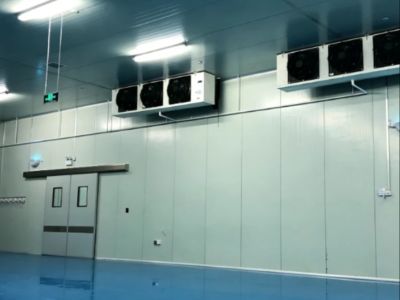
Installing cold room glass doors requires careful planning and consideration of several factors. Firstly, the site conditions should be assessed. The installation area must be clear and suitable for the door's dimensions, and existing structures should be evaluated to ensure compatibility.

Next, buyers should consider the installation method. Depending on the door type, it may require specialized mounting hardware or framing systems. Proper installation is crucial to ensure that the doors function effectively and that seals are tight to avoid temperature loss.

Finally, it's essential to account for maintenance access during installation. Ensure that there is enough space for both regular maintenance and emergency access. A well-planned installation will facilitate easier repairs and prolong the lifespan of the glass doors.

Analyzing Cost Factors When Sourcing Cold Room Glass Doors

The cost of cold room glass doors can vary significantly based on several factors. Material choice is one of the primary cost determinants; tempered glass and specialized framing materials will typically be more expensive than standard options.

Customization also plays a crucial role. Custom sizes, finishes, and additional features such as automated systems can increase upfront costs but may provide long-term savings through improved energy efficiency and reduced maintenance needs.

Buyers should also factor in shipping and installation costs. Depending on the door size and weight, shipping can be a considerable expense, especially if the doors need to be transported internationally. Ensuring that the supplier can provide a comprehensive quote that includes all these elements will help avoid unexpected costs.

Lastly, considering the lifecycle costs—including energy savings and maintenance—can provide a clearer picture of the overall investment in cold room glass doors.

Applications of Cold Room Glass Doors in Food and Pharma Industries

In the food industry, cold room glass doors are primarily used in refrigerated storage facilities, display cases, and food processing areas. Their visibility helps staff quickly locate items while maintaining the necessary temperature for perishable goods. Moreover, these doors can enhance the shopping experience in retail environments by showcasing products without compromising cold storage.

In the pharmaceutical industry, cold room glass doors are vital for storing temperature-sensitive medications and vaccines. These doors help maintain strict compliance with regulatory standards while providing easy access for staff. The ability to see inside without opening doors minimizes temperature fluctuations, ensuring that the integrity of stored products is maintained.

In both sectors, the use of cold room glass doors contributes to operational efficiency, safety, and compliance with health regulations. When choosing doors for these applications, it is essential to consider the specific requirements and challenges unique to each industry to ensure optimal performance and reliability.

By understanding these factors, B2B buyers can make informed decisions when sourcing cold room glass doors, ensuring they meet their operational needs while adhering to industry standards.

What to Look For

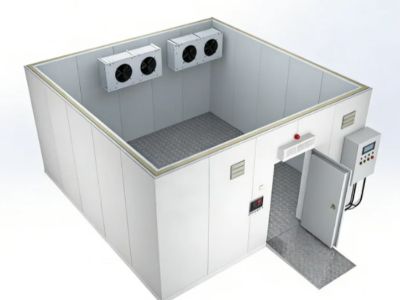
When sourcing cold room glass doors, buyers should consider several key specifications. First, the material is crucial; doors made from tempered glass offer durability and safety, while aluminum frames provide structural support and thermal insulation. Buyers should also assess the door thickness and insulation properties, which impact energy efficiency and temperature retention. A well-built Cold Room can further enhance the effectiveness of these doors in maintaining optimal conditions.

Next, sealing mechanisms are vital to ensure minimal air exchange. Look for doors that come with high-quality seals to prevent condensation and maintain the internal environment. Additionally, the operating mechanism—whether manual or automated—should align with the intended usage frequency and convenience in a busy environment.

Finally, buyers should evaluate the dimensions of the glass doors to ensure they fit seamlessly into existing cold storage solutions. Custom sizes may be necessary depending on the layout of the storage facility.

Our Blog Posts

what is the purpose of a cold room

03

Nov

what is the purpose of a cold room

The purpose of a cold room is essential for various industries, primarily focusing on the preservation and storage of temperature-sensitive products. This article delves into the role of cold rooms, specifically in the food industry, and provides ins...
View More
how to set cold room temperature

03

Nov

how to set cold room temperature

Setting the right cold room temperature is crucial for industries that rely on precise temperature control to maintain the quality and safety of their products. Whether you are in the food, pharmaceutical, or logistics sector, understanding how to se...
View More
how to set temperature in chiller

03

Nov

how to set temperature in chiller

Setting the correct temperature in a chiller is crucial for maintaining the quality and safety of sensitive products, especially in industries like food, pharmaceuticals, and logistics. This article will address key considerations for B2B buyers, inc...
View More
how to clean condensing unit

03

Nov

how to clean condensing unit

Cleaning a condensing unit is essential for maintaining the efficiency and longevity of refrigeration systems, particularly in industries like food processing, pharmaceuticals, and logistics. Proper cleaning helps prevent malfunctions, reduces energy...
View More

Leave a Message

Email
Name
Company Name
Message
0/1000

Related product categories