Cost Factors and Solutions for Cold Room Doors

Let's Discuss Your Needs

Every great collaboration starts with a friendly chat.
We're here to help you figure things out and find the best way forward.
Company Name
Name
Email
WhatsApp
Mobile

cold room door

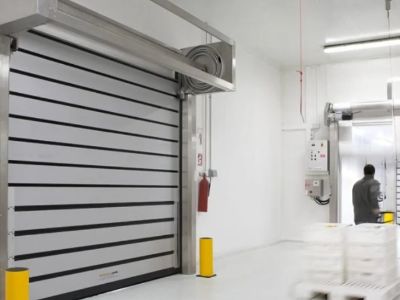
Cold room doors are essential components of temperature-controlled environments used in various industries, including food storage, pharmaceuticals, and logistics. These doors are designed to maintain specific temperature conditions, ensuring the integrity and quality of perishable goods. When sourcing cold room doors wholesale, buyers often have concerns regarding cost, installation, and material suitability. This article aims to provide insights into the key factors to consider, common challenges faced, applications across different sectors, material comparisons, and guidance for making informed purchasing decisions.

Common Installation Challenges for Cold Room Doors and Solutions

Installing cold room doors can present several challenges that can affect the overall efficiency and functionality of the cold storage area. One common issue is ensuring proper alignment during installation. Misalignment can lead to gaps that compromise temperature control and allow air and moisture infiltration. To address this, it is crucial to conduct a thorough site analysis before installation, confirming that the door frame is level and square.

Another challenge is the integration of the door with existing systems, such as automated operations or security features. Buyers should ensure that the chosen door can seamlessly integrate with existing infrastructure. Collaborating with experienced manufacturers like Shanghai Zhaoxue Refrigeration Co., Ltd. can provide insights into compatibility and necessary adaptations.

Lastly, the sealing system of the door is vital for maintaining temperature. Ensuring the appropriate sealing method and materials are used during installation can prevent air leaks. Regular maintenance checks post-installation can also help identify and rectify any sealing issues early.
Applications of Cold Room Doors in Food, Pharma, and Logistics Sectors

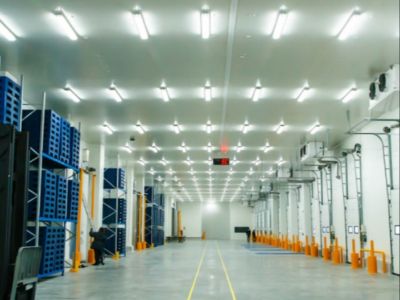
Cold room doors play a crucial role in several industries. In the food sector, they are vital for maintaining the freshness and safety of perishable items. Proper insulation and sealing ensure that temperatures remain constant, preventing spoilage. Cold storage is essential in supermarkets, restaurants, and food distribution centers.

In pharmaceuticals, cold room doors are used to safeguard temperature-sensitive medications and vaccines. Compliance with strict regulatory standards necessitates precise temperature control, which cold room doors help achieve. The integrity of pharmaceutical products can be severely compromised if temperature fluctuations occur, making reliable cold room doors essential.

In the logistics sector, cold room doors facilitate the efficient transportation and storage of goods. They enable the movement of items in and out of temperature-controlled environments without compromising the internal conditions, which is critical during distribution processes.

Comparing Material Advantages of Cold Room Doors for Your Projects

Selecting the right material for cold room doors is crucial for performance and durability. Steel doors are often chosen for their strength and durability, making them suitable for high-traffic areas. They provide excellent insulation when well-designed but may require additional surface treatments to resist corrosion, particularly in humid environments.

Aluminum doors, while lightweight and resistant to corrosion, may not offer the same insulation properties as steel. However, they can be an excellent choice for applications where weight is a concern or where aesthetics matter, such as in retail environments.

Composite doors, which combine materials to leverage their strengths, are gaining popularity due to their energy efficiency and versatility. These doors typically feature high insulation values, making them ideal for maintaining the required temperature in cold storage environments.

Buyers should assess the specific requirements of their operation, including expected temperature ranges, traffic levels, and exposure to chemicals, before selecting a material. Consulting with manufacturers can provide valuable insights into the best material choices for specific applications.

How to Make Informed Decisions on Cold Room Doors for Your Needs

To make informed purchasing decisions regarding cold room doors, buyers should start by clearly defining their requirements. This includes assessing the intended application, temperature ranges, and frequency of use. Buyers should also consider the specific dimensions and configurations needed to ensure proper fit and functionality within their facilities.

It is also essential to evaluate the manufacturer’s capabilities. Look for suppliers with a track record in producing high-quality, customized cold room doors. Requesting samples and conducting quality inspections can help verify that the products meet specifications and performance standards.

Furthermore, understanding the total cost of ownership is crucial. This includes not only the initial purchase price but also installation costs, maintenance requirements, and expected lifespan. Buyers should engage in thorough discussions with suppliers to clarify warranties, support services, and energy efficiency ratings, ensuring that they consider all relevant factors before finalizing their decisions.

In summary, sourcing cold room doors requires careful consideration of material choice, installation challenges, and application-specific requirements. By taking a methodical approach and collaborating with knowledgeable manufacturers like Shanghai Zhaoxue Refrigeration Co., Ltd., buyers can ensure they select the best cold room doors that meet their operational needs and budget.

Cost Factors to Assess When Sourcing Cold Room Doors Wholesale

When evaluating the cost of cold room doors, several factors come into play. First, the material of the door significantly influences the overall price. Common materials include insulated steel, aluminum, and composite structures. Each material offers different cost-benefit ratios, durability levels, and insulation properties.

Additionally, customization can affect pricing; custom-engineered doors tailored to specific operational requirements or dimensions may incur higher costs. It is also important to consider the door's energy efficiency, which can impact long-term operational costs. For instance, doors with superior insulation can minimize energy consumption, resulting in lower cooling costs over time. For more advanced cooling solutions, buyers might explore options like refrigeration units.

Lastly, the quantity ordered can influence pricing. Manufacturers often provide discounts for bulk purchases, making it essential for buyers to assess their needs accurately and consider minimum order quantities (MOQs) when negotiating costs.

Frequently Asked Questions

What types of cold room doors do you offer?

We provide insulated swing, sliding, and rapid-roll cold room doors, customized for walk-in freezers, cold storage rooms, and cleanroom applications.
Yes. We design door size, insulation, sealing, hardware, and automation to match your temperature, throughput, and hygiene requirements.
Yes. Doors use high-density insulation, tight seals, and thermal breaks to minimize heat gain and reduce energy consumption.
Yes. We integrate automatic openers, sensors, locking systems, remote controls, and PLC interfaces for automated facility workflows.
We offer factory prefabrication, on-site installation, commissioning, and global after-sales service including spare parts and maintenance guidance.

Our Blog Posts

how to set temperature in chiller

03

Nov

how to set temperature in chiller

Setting the correct temperature in a chiller is crucial for maintaining the quality and safety of sensitive products, especially in industries like food, pharmaceuticals, and logistics. This article will address key considerations for B2B buyers, inc...
View More
how to clean condensing unit

03

Nov

how to clean condensing unit

Cleaning a condensing unit is essential for maintaining the efficiency and longevity of refrigeration systems, particularly in industries like food processing, pharmaceuticals, and logistics. Proper cleaning helps prevent malfunctions, reduces energy...
View More
what does evaporator coil do

03

Nov

what does evaporator coil do

Understanding what an evaporator coil does is essential for anyone involved in the purchasing or maintenance of refrigeration systems. These coils play a crucial role in cooling processes by absorbing heat from the environment, making them indispensa...
View More
what are the methods of food preservation

03

Nov

what are the methods of food preservation

Food preservation is a critical process for maintaining the quality and safety of perishable items, especially in the food industry. Understanding what are the methods of food preservation can help businesses minimize waste, ensure product integrity,...
View More

Leave a Message

Email
Name
Company Name
Message
0/1000

Related product categories