EN

Cold room glass doors are essential components in the cold storage industry, designed to provide efficient access to refrigerated spaces while maintaining optimal temperature control. For B2B buyers like purchasing managers and engineers, the primary concerns typically include energy efficiency, durability, and the suitability for specific applications in sectors such as food and pharmaceuticals. This article aims to help prospective buyers understand what to look for in cold room glass doors, their features and benefits, installation requirements, cost factors, and their applications in various industries.
Features and Benefits
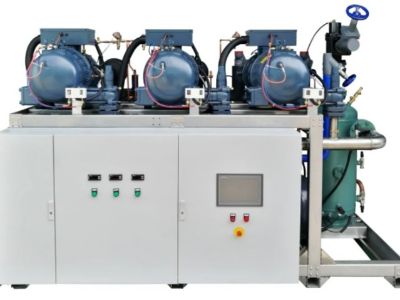
Cold room glass doors offer a range of features that enhance their usability and efficiency. One significant benefit is energy efficiency; well-insulated glass doors can significantly reduce energy consumption by minimizing heat exchange. This is particularly important in industries that require strict temperature control, such as food storage and pharmaceuticals. Integrating these doors into a reliable REFRIGERATION UNITS system can boost overall performance.
Another advantage is visibility. Transparent glass allows for easy viewing of stored items without the need to open doors, reducing temperature fluctuations and improving operational efficiency. Furthermore, many cold room glass doors come with automated opening systems, which can enhance user convenience and reduce manual handling, minimizing the risk of contamination.
Additionally, the doors can be designed to meet specific regulatory standards, ensuring compliance with safety and health requirements. This is particularly relevant for pharmaceutical applications where stringent regulations govern storage conditions.