EN

Cooling storage rooms are specialized facilities designed to maintain low temperatures for perishable goods, pharmaceuticals, and other temperature-sensitive products. For B2B buyers, key concerns often include energy efficiency, customization options, and suitability for specific applications. This article provides an in-depth look at important specifications, cost factors, common issues, and the benefits of customized cooling storage rooms, particularly in the food and pharmaceutical industries.
Cost Factors to Assess When Purchasing Cooling Storage Rooms
The cost of cooling storage rooms can vary widely depending on several factors:
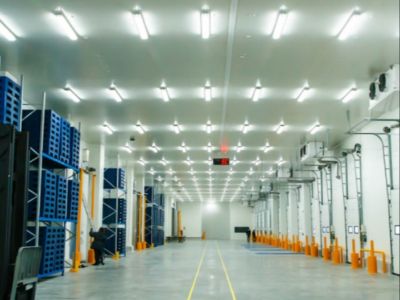
Size and Design: Custom sizes and configurations will influence the overall cost. Standard sizes may be less expensive, but a tailored solution often provides better efficiency and suitability for specific applications. For example, a Cold Room may be designed to meet specific storage needs effectively.
Energy Efficiency: Investing in energy-efficient models may have higher upfront costs but can lead to significant savings in operational expenses over time. Look for models with high Energy Efficiency Ratings (EER) or those compliant with local energy regulations.
Material Choices: The quality of materials used in construction directly impacts durability and maintenance costs. While lower-cost materials may reduce initial expenses, they can lead to higher cooling costs and more frequent repairs.
Installation Costs: Professional installation is crucial for optimal performance. Ensure to budget for installation, including any necessary electrical or structural modifications to accommodate the cooling room.
Maintenance Requirements: Regular maintenance is essential for longevity and efficiency. Understanding the maintenance intervals and costs associated with the cooling system can help buyers make informed decisions.