Coolroom Refrigeration Solutions for B2B Buyers

Let's Discuss Your Needs

Every great collaboration starts with a friendly chat.
We're here to help you figure things out and find the best way forward.
Company Name
Name
Email
WhatsApp
Mobile

coolroom refrigeration

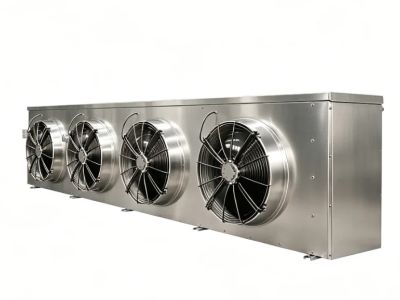
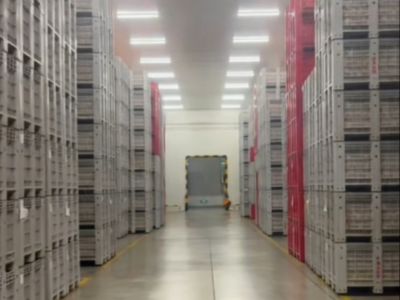
Coolroom refrigeration systems are essential for industries requiring temperature-sensitive storage solutions, such as food and pharmaceuticals. These systems help maintain optimal conditions to preserve product integrity, ensuring compliance with safety standards and minimizing spoilage. For B2B buyers, concerns often revolve around specifications, costs, and the suitability of refrigeration solutions for their specific applications. This article will provide insights into coolroom refrigeration, including purchasing guidance, key specifications, cost factors, applications, and bulk ordering options.

Key Specifications to Consider in Coolroom Refrigeration Units

Understanding the specifications of coolroom refrigeration units is crucial for making informed purchasing decisions. Key specifications include:

Temperature Range: Different applications require different temperature settings. For example, pharmaceuticals may need temperatures between 2°C and 8°C, while frozen food storage generally requires temperatures below -18°C.

Insulation Thickness and Material: Insulation plays a critical role in energy efficiency. A thicker insulation layer reduces energy consumption and maintains stable temperatures. Common materials include polyurethane and polystyrene, with polyurethane providing superior thermal resistance.

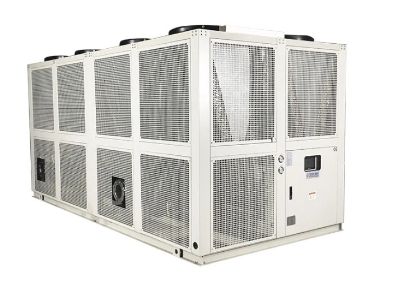
Cooling Capacity: Measured in BTUs or kilowatts, the cooling capacity should be matched to the expected load within the coolroom. Overestimating can lead to inefficient energy use, while underestimating can compromise product safety.

Airflow Design: Proper airflow is vital to ensure even temperature distribution throughout the coolroom. Buyers should inquire about the design specifics, such as fan placement and ducting.

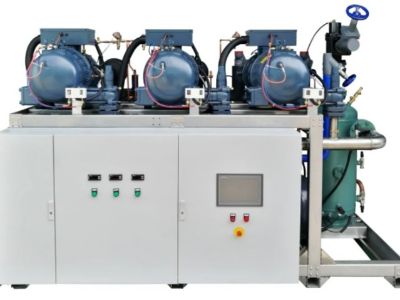
Control Systems: Advanced control systems can enhance operational efficiency. Look for units with digital temperature controllers, alarms, and remote monitoring capabilities.

Buyers should verify these specifications against their specific operational requirements to ensure optimal performance.
Understanding the Cost Factors of Coolroom Refrigeration Equipment

The cost of coolroom refrigeration equipment can vary significantly based on several factors:

Size and Configuration: Larger or custom-configured units typically cost more due to increased materials and manufacturing complexity.

Energy Efficiency: Investing in energy-efficient models may have higher upfront costs but can lead to significant savings in energy bills over time.

Materials Used: The choice of materials for construction affects both durability and insulation performance, influencing the overall price. High-quality materials may incur higher initial costs but can provide longevity and lower maintenance expenses.

Customization: Custom engineered systems designed to meet specific operational needs will usually be more expensive than standard off-the-shelf models.

Installation and Maintenance: Consider installation costs and any ongoing maintenance requirements when budgeting. Some suppliers may offer comprehensive service packages that can streamline ongoing costs.

Buyers should request detailed quotes that break down these cost factors to evaluate the total investment properly.

Applications of Coolroom Refrigeration in Food and Pharma Industries

Coolroom refrigeration systems play a vital role in the food and pharmaceutical industries by ensuring product integrity and safety.

In the food industry, these systems are essential for storing perishable items such as meat, dairy, fruits, and vegetables. Maintaining the correct temperature helps prevent spoilage and reduces foodborne illnesses. Additionally, coolrooms can be used to store ingredients for food preparation, allowing restaurants and food manufacturers to maintain a steady supply of fresh products.

In the pharmaceutical sector, coolroom refrigeration is critical for storing vaccines, medications, and sensitive biological materials. These products often have strict temperature requirements to maintain efficacy. Regulatory compliance is paramount, as improper storage can lead to significant financial and health consequences. As such, many pharmaceutical companies invest in sophisticated monitoring systems to ensure constant temperature control and alert them to any deviations.

By understanding these applications, buyers can better assess their specific needs and select the right coolroom refrigeration solutions, including options like Self-stacking Spiral Freezers for efficient storage.

Bulk Order Options for Custom Coolroom Refrigeration Solutions

For businesses looking to scale operations or standardize equipment across multiple locations, bulk orders of custom coolroom refrigeration solutions can be advantageous. Here are some considerations for bulk purchasing:

Minimum Order Quantities (MOQ): Understand the supplier’s MOQ for custom units. Some manufacturers may require larger orders to justify the engineering and production costs associated with customization.

Volume Discounts: Inquire about discounts for bulk purchases. Many suppliers offer pricing incentives for larger orders, which can significantly reduce the overall expenditure.

Lead Times: Custom equipment may have longer lead times compared to standard products. It’s essential to discuss timelines upfront to align with operational schedules and avoid disruptions.

Customization Capabilities: Ensure the manufacturer can meet specific requirements for each unit in terms of size, temperature control, and features. A reliable supplier will work closely with you to tailor solutions that meet your unique needs.

Quality Assurance: When ordering in bulk, establish quality control protocols to ensure each unit meets the required specifications. Request samples or prototypes to verify performance before mass production begins.

By considering these factors, buyers can effectively navigate the complexities of bulk purchasing for coolroom refrigeration systems, ensuring they receive high-quality, tailored solutions that meet their operational demands.

Wholesale Purchasing Guide for Coolroom Refrigeration Solutions

When purchasing coolroom refrigeration systems, B2B buyers should consider several key factors to ensure they select the right solution for their needs. Start by defining the application—whether it’s for food storage, pharmaceutical products, or logistics. This determines the required temperature range and system specifications.

Next, evaluate the types of refrigeration units available, such as modular coolrooms or walk-in freezers, and assess their energy efficiency ratings. Buyers should also consider the manufacturer’s customization capabilities; custom solutions may be necessary to fit specific operational requirements. Additionally, request detailed product specifications, including dimensions, materials, insulation properties, and any automation features. For instance, options like Impingement Freezer and Tunnel Freezer may be relevant depending on your operational needs.

It's essential to compare suppliers based on their production capabilities, quality control processes, and customer service. Before making a decision, ask for references or case studies from similar applications to gauge the supplier's reliability and performance history.

Frequently Asked Questions

What types of coolroom refrigeration do you offer?

We manufacture energy-efficient cold storage rooms, freezers, and integrated refrigeration systems customized for food, pharmaceutical, and logistics applications.
Yes. We provide custom-engineered systems including size, temperature range, shelving, and automation to meet specific product and site requirements.
Our designs use efficient compressors, insulated panels, variable-speed controls, and smart automation to reduce power use and optimize temperature stability.
Yes. We offer global installation, start-up commissioning, system testing, and handover with operator training to ensure reliable operation.
We provide preventive maintenance, remote monitoring options, spare parts supply, and emergency service to keep systems running and minimize downtime.

Our Blog Posts

what is the standard temperature of chiller

03

Nov

what is the standard temperature of chiller

Understanding the standard temperature of chillers is crucial for multiple industries, including food, pharmaceuticals, and logistics. This article dives into the specifics of what is the standard temperature of a energy-efficient chillers, addressin...
View More
how to clean condensing unit

03

Nov

how to clean condensing unit

Cleaning a condensing unit is essential for maintaining the efficiency and longevity of refrigeration systems, particularly in industries like food processing, pharmaceuticals, and logistics. Proper cleaning helps prevent malfunctions, reduces energy...
View More
what does evaporator coil do

03

Nov

what does evaporator coil do

Understanding what an evaporator coil does is essential for anyone involved in the purchasing or maintenance of refrigeration systems. These coils play a crucial role in cooling processes by absorbing heat from the environment, making them indispensa...
View More
controlled atmosphere storage of fruits and vegetables

03

Nov

controlled atmosphere storage of fruits and vegetables

Controlled atmosphere storage of fruits and vegetables is a critical component in preserving the quality and extending the shelf life of produce. These specialized storage solutions regulate temperature, humidity, and gas composition to slow down rip...
View More

Leave a Message

Email
Name
Company Name
Message
0/1000

Related product categories