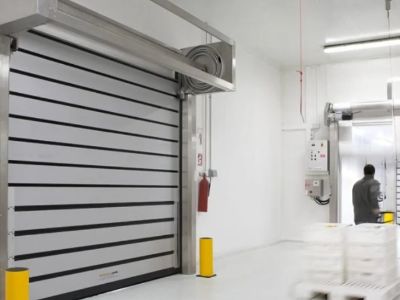
Choosing the Right Cold Room Refrigeration System

Let's Discuss Your Needs

Every great collaboration starts with a friendly chat.
We're here to help you figure things out and find the best way forward.
Company Name
Name
Email
WhatsApp
Mobile

cold room refrigeration

Cold room refrigeration systems play a crucial role in preserving perishable goods across various industries, including food, pharmaceuticals, and logistics. For purchasing managers and decision-makers in these sectors, selecting the right cold room refrigeration unit can significantly impact operational efficiency and product quality. This article will provide insights into the key factors to consider when choosing cold room refrigeration systems, cost considerations, installation guidance, common issues, and how to effectively compare options for your specific projects.

Cost Factors to Consider When Purchasing Cold Room Refrigeration Units

The cost of cold room refrigeration systems can vary widely based on several factors. Initial purchase price, installation costs, and ongoing operational expenses should all be accounted for.

Initial Purchase Price: The upfront cost is influenced by the size, configuration, and features of the refrigeration system. Custom-engineered solutions may have a higher initial price but can provide long-term savings through improved efficiency.

Installation Costs: Proper installation is crucial for optimal performance. Consider additional costs for electrical work, plumbing, or structural modifications. Engaging experienced professionals for installation can prevent potential issues down the line.

Operational Expenses: Look into energy efficiency ratings. A higher initial investment in energy-efficient units can lead to significant cost savings over time, reducing utility bills and maintenance needs. Additionally, inquire about the expected lifespan of the system and any potential maintenance costs.

Customization: Custom features, such as specialized shelving or advanced monitoring systems, can also affect the overall cost. Understanding your business needs will help in making informed decisions regarding which features to prioritize.
Installation Guidance for Efficient Cold Room Refrigeration Setup

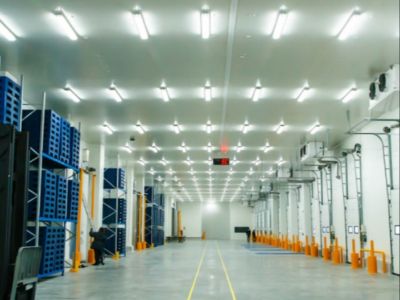
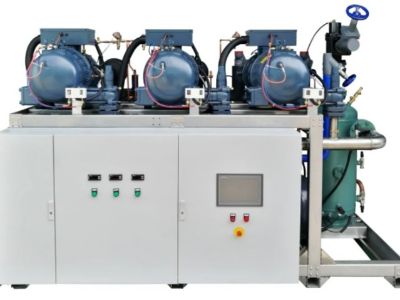
To ensure the effective operation of your cold room refrigeration system, proper installation is paramount. Begin by carefully selecting the location, considering factors such as accessibility for maintenance and proximity to other critical operations.

Site Preparation: The site should be well-prepared, including leveling the ground and ensuring proper drainage. This helps prevent water accumulation, which can affect the system's performance.

Electrical Requirements: Verify that the electrical supply meets the system's requirements. Inadequate power supply can lead to operational failures and increased energy costs.

Insulation: Proper insulation is essential for maintaining temperature. Ensure that insulation materials are adequately installed to prevent energy loss.

Testing and Calibration: After installation, conduct thorough testing to ensure all components are functioning correctly. This includes calibrating temperature settings and checking for any leaks or inefficiencies.

Training: Provide training for staff on the operation and maintenance of the cold room. This can help prevent misuse and extend the lifespan of the equipment.

Common Problems with Cold Room Refrigeration and Their Solutions

Despite the best planning, issues can arise with cold room refrigeration systems. Being aware of common problems and their solutions can save time and money.

Temperature Fluctuations: If the temperature is inconsistent, check for door seals, insulation gaps, or equipment malfunctions. Regular maintenance, such as cleaning coils and checking refrigerant levels, can prevent this issue.

Condensation and Moisture Buildup: Excess moisture can lead to product spoilage and mold growth. Ensure that the unit is properly ventilated and that humidity controls are functioning correctly.

High Energy Consumption: If energy bills are higher than expected, investigate potential causes, such as outdated equipment or poor insulation. Upgrading to energy-efficient models, such as the Tunnel Freezer, can help mitigate these costs.

Equipment Failures: Regularly scheduled maintenance can identify issues before they lead to complete system failures. Consider implementing a preventive maintenance schedule to ensure reliability.

How to Compare Cold Room Refrigeration Options for Your Projects

When evaluating different cold room refrigeration options, a systematic approach can help ensure that you make the best choice for your business.

Specifications Review: Compare the specifications of each unit, including cooling capacity, dimensions, and energy efficiency ratings. This information is critical in determining compatibility with your storage needs.

Customization Options: Assess the level of customization available from each manufacturer. Custom solutions, like Cold Room, may be required for specific applications, and understanding these options can help streamline your decision-making process.

Supplier Reputation: Research the reputation of potential suppliers. Look for reviews and testimonials from previous clients to gauge reliability and post-purchase support.

Warranty and Support: Consider the warranty terms and the level of customer support provided. A robust warranty can offer peace of mind, especially for critical operations where downtime can be costly.

Total Cost of Ownership: Beyond the initial purchase price, evaluate the total cost of ownership, including installation, maintenance, and operational costs. This comprehensive view will clarify the most economically viable options in the long run.

By following these guidelines, purchasing managers and decision-makers can make well-informed choices regarding cold room refrigeration systems, ensuring their investments meet operational needs while maintaining product integrity.

Choosing the Right Cold Room Refrigeration for Your Business Needs

Selecting the appropriate cold room refrigeration system begins with understanding your specific requirements. Factors such as the type of goods stored, temperature range, and storage capacity are essential. For instance, food storage may require different temperature controls compared to pharmaceutical applications, where strict compliance with regulations is critical.

Additionally, consider the layout of your facility. Will the cold room be a standalone unit or integrated into an existing structure? The materials used in construction, such as insulation thickness and type, also play a pivotal role in energy efficiency and temperature maintenance. Custom-engineered solutions, such as Self-stacking Spiral Freezers, are often ideal for unique spaces or specialized applications, as they can be tailored to meet specific operational needs.

Finally, evaluate the automation capabilities of potential systems. Automated monitoring and control can enhance efficiency and reduce the risk of human error, thus ensuring consistent temperature regulation.

Frequently Asked Questions

What types of cold room refrigeration do you offer?

We design energy-efficient cold storage rooms, freezers, and integrated refrigeration systems tailored for food, pharmaceuticals, and logistics needs.
Yes. We provide custom-engineered solutions including size, layout, temperature zones, shelving, and automation to meet specific operational requirements.
Yes. Our systems include automated controls, remote monitoring, alarm integration, and data logging to ensure stable temperatures and regulatory compliance.
We use high-efficiency compressors, insulated panels, variable-speed drives, and intelligent control to reduce energy use and operational costs.
We offer global installation guidance, commissioning, training, and maintenance support, plus spare parts and technical assistance for lifecycle performance.

Our Blog Posts

how to set temperature in chiller

03

Nov

how to set temperature in chiller

Setting the correct temperature in a chiller is crucial for maintaining the quality and safety of sensitive products, especially in industries like food, pharmaceuticals, and logistics. This article will address key considerations for B2B buyers, inc...
View More
how to clean condensing unit

03

Nov

how to clean condensing unit

Cleaning a condensing unit is essential for maintaining the efficiency and longevity of refrigeration systems, particularly in industries like food processing, pharmaceuticals, and logistics. Proper cleaning helps prevent malfunctions, reduces energy...
View More
what are the methods of food preservation

03

Nov

what are the methods of food preservation

Food preservation is a critical process for maintaining the quality and safety of perishable items, especially in the food industry. Understanding what are the methods of food preservation can help businesses minimize waste, ensure product integrity,...
View More
what are the advantages of food preservation

03

Nov

what are the advantages of food preservation

Food preservation is a critical process that extends the shelf life of perishable goods such as fruits, vegetables, meats, and dairy products. Understanding the advantages of food preservation can greatly benefit businesses in the food industry, incl...
View More

Leave a Message

Email
Name
Company Name
Message
0/1000

Related product categories