Key Considerations for Cooling Storage Rooms

Let's Discuss Your Needs

Every great collaboration starts with a friendly chat.
We're here to help you figure things out and find the best way forward.
Company Name
Name
Email
WhatsApp
Mobile

cooling storage room

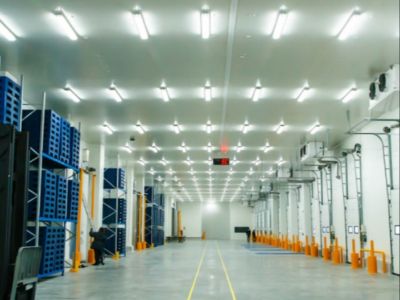
Cooling storage rooms are specialized facilities designed to maintain low temperatures for perishable goods, pharmaceuticals, and other temperature-sensitive products. For B2B buyers, key concerns often include energy efficiency, customization options, and suitability for specific applications. This article provides an in-depth look at important specifications, cost factors, common issues, and the benefits of customized cooling storage rooms, particularly in the food and pharmaceutical industries.

Cost Factors to Assess When Purchasing Cooling Storage Rooms

The cost of cooling storage rooms can vary widely depending on several factors:

Size and Design: Custom sizes and configurations will influence the overall cost. Standard sizes may be less expensive, but a tailored solution often provides better efficiency and suitability for specific applications. For example, a Cold Room may be designed to meet specific storage needs effectively.

Energy Efficiency: Investing in energy-efficient models may have higher upfront costs but can lead to significant savings in operational expenses over time. Look for models with high Energy Efficiency Ratings (EER) or those compliant with local energy regulations.

Material Choices: The quality of materials used in construction directly impacts durability and maintenance costs. While lower-cost materials may reduce initial expenses, they can lead to higher cooling costs and more frequent repairs.

Installation Costs: Professional installation is crucial for optimal performance. Ensure to budget for installation, including any necessary electrical or structural modifications to accommodate the cooling room.

Maintenance Requirements: Regular maintenance is essential for longevity and efficiency. Understanding the maintenance intervals and costs associated with the cooling system can help buyers make informed decisions.
Common Problems with Cooling Storage Rooms and Effective Solutions

Cooling storage rooms can encounter various issues that may compromise their effectiveness. Here are some common problems and recommended solutions:

Temperature Fluctuations: Inconsistent temperatures can arise from equipment failures or improper insulation. Regular maintenance checks and monitoring systems can help identify issues early. Investing in high-quality insulation also reduces the likelihood of fluctuations.

Humidity Issues: Excess humidity can cause spoilage in food products. Installing dehumidifiers or opting for cooling systems with built-in humidity control will help maintain optimal conditions.

Energy Waste: Inefficient systems can lead to excessive energy consumption. Regular audits and updates to more efficient models can mitigate this issue. Additionally, implementing energy management systems can track usage and optimize performance.

Mechanical Failures: Equipment breakdowns can disrupt operations. Choosing reliable brands and ensuring a robust warranty can provide peace of mind. Establishing a routine maintenance schedule can further prevent mechanical failures.

Poor Airflow: Blocked or inadequate airflow can lead to uneven cooling. Regularly checking and maintaining ventilation systems is essential. Ensuring proper layout and design can also enhance airflow efficiency.

Benefits of Customized Cooling Storage Rooms for Your Business

Customized cooling storage rooms offer several advantages over standard solutions, including:

Tailored Solutions: Customization allows for specific temperature and humidity requirements to be met, ensuring optimal storage conditions for various products. This is particularly critical in industries like pharmaceuticals, where compliance with strict guidelines is necessary.

Maximized Space Utilization: Custom designs can optimize available space, enhancing storage capacity and operational efficiency. This is especially valuable for businesses with limited floor space or unique product shapes.

Improved Energy Efficiency: Customized systems can be designed for energy efficiency, incorporating advanced insulation and automation technologies. This can lead to significant long-term savings on energy costs.

Enhanced Control Features: Custom solutions can integrate advanced monitoring and control systems, allowing for real-time data access and adjustments. This not only improves operational efficiency but also enhances product safety.

Scalability: As business needs evolve, customized cooling storage rooms can be adapted or expanded to meet changing demands, ensuring long-term serviceability and investment protection.

Applications of Cooling Storage Rooms in Food and Pharma Industries

Cooling storage rooms play a crucial role in various applications across the food and pharmaceutical industries:

Food Storage: In the food industry, cooling storage rooms are essential for preserving the freshness and quality of perishable goods like fruits, vegetables, dairy products, and meat. Maintaining strict temperature controls prevents spoilage and extends shelf life.

Pharmaceutical Storage: Pharmaceuticals often require precise temperature and humidity controls to ensure efficacy. Cooling storage rooms designed for this purpose help maintain the integrity of vaccines, serums, and other sensitive medications.

Logistics and Distribution: For logistics companies, cooling storage rooms facilitate the safe transport of temperature-sensitive goods. Equipped with monitoring systems, these facilities ensure that products remain within required temperature ranges during transit.

Research and Development: In R&D environments, controlled cooling storage rooms are used to store samples and test materials under specific conditions. This is vital for industries such as biotechnology and food science, where experimental integrity is paramount.

Seasonal Storage: Seasonal products, like certain fruits and vegetables, can benefit from dedicated cooling storage to maintain quality until they are ready for distribution. Custom solutions can accommodate varying seasonal demands effectively.

By understanding these aspects, potential buyers can make informed decisions when selecting cooling storage rooms that best suit their operational needs.

Key Specifications to Consider for Cooling Storage Rooms

When evaluating cooling storage rooms, buyers should pay attention to several critical specifications that directly impact performance and suitability for their application.

Temperature Range: The required temperature range depends on the products being stored. For instance, food items may require temperatures between -18°C to 4°C, while pharmaceuticals often need stricter control within 2°C to 8°C. Ensuring the cooling system can maintain these temperatures consistently is essential for product integrity.

Insulation Material: The choice of insulation material affects energy efficiency and temperature maintenance. Common materials include polyurethane, polystyrene, and fiberglass. Polyurethane, for instance, offers superior thermal resistance, making it ideal for low-energy consumption.

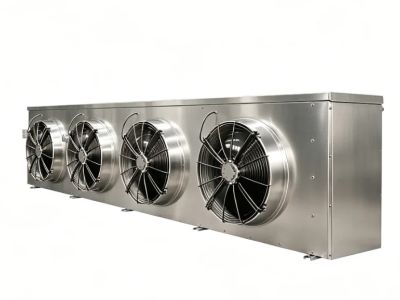
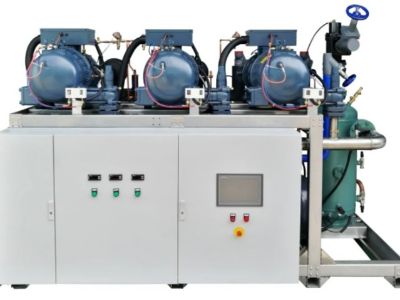
Cooling Capacity: Measured in BTUs or kilowatts, cooling capacity must align with the volume and type of goods stored. An oversized unit may lead to energy waste and temperature fluctuations, while an undersized unit could fail to maintain the required conditions. Investing in quality REFRIGERATION UNITS can help ensure that you select the right capacity for your needs.

Humidity Control: Humidity levels can significantly impact the quality of stored products. Systems with integrated humidity control features are beneficial, especially for items like fresh produce that are sensitive to moisture levels.

Automation Capabilities: Advanced cooling storage rooms often include automated monitoring and control systems, allowing for real-time adjustments and alerts for temperature deviations. This feature enhances operational efficiency and minimizes human error.

Frequently Asked Questions

What types of cooling storage rooms do you offer?

We design custom cold storage rooms, blast freezers, and controlled-temperature chambers tailored for food, pharma, and logistics needs with energy-efficient components and automation.
Yes. We engineer room size, insulation, shelving, and precise temperature/humidity controls to meet specific product and workflow requirements.
We use high-efficiency compressors, smart controls, variable-speed drives, and optimized insulation to reduce power consumption and operating costs.
Yes. We offer full project management including site survey, installation, system integration, testing, and commissioning for global deployments.
Yes. Our systems support remote monitoring, alarm notifications, automated defrost cycles, and integration with warehouse management systems.

Our Blog Posts

how to set temperature in chiller

03

Nov

how to set temperature in chiller

Setting the correct temperature in a chiller is crucial for maintaining the quality and safety of sensitive products, especially in industries like food, pharmaceuticals, and logistics. This article will address key considerations for B2B buyers, inc...
View More
how to clean condensing unit

03

Nov

how to clean condensing unit

Cleaning a condensing unit is essential for maintaining the efficiency and longevity of refrigeration systems, particularly in industries like food processing, pharmaceuticals, and logistics. Proper cleaning helps prevent malfunctions, reduces energy...
View More
what does evaporator coil do

03

Nov

what does evaporator coil do

Understanding what an evaporator coil does is essential for anyone involved in the purchasing or maintenance of refrigeration systems. These coils play a crucial role in cooling processes by absorbing heat from the environment, making them indispensa...
View More
what are the advantages of food preservation

03

Nov

what are the advantages of food preservation

Food preservation is a critical process that extends the shelf life of perishable goods such as fruits, vegetables, meats, and dairy products. Understanding the advantages of food preservation can greatly benefit businesses in the food industry, incl...
View More

Leave a Message

Email
Name
Company Name
Message
0/1000

Related product categories