EN

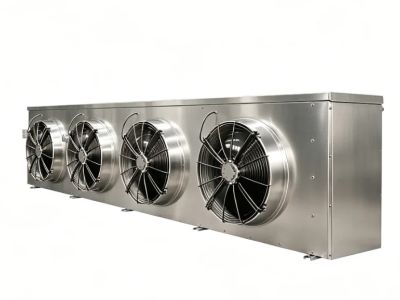
Cold room condensing units are vital components in the refrigeration systems of cold storage rooms, freezers, and other temperature-controlled environments. They play a crucial role in maintaining optimal temperatures for perishable goods in industries such as food, pharmaceuticals, and logistics. For B2B buyers, understanding the quality, efficiency, and installation considerations of these units is essential to ensure reliable operation and compliance with industry standards. This article will guide you through evaluating cold room condensing units, exploring their benefits, installation guidance, common issues, and material advantages, helping you make informed purchasing decisions.
Benefits and Considerations
Investing in high-quality cold room condensing units offers several benefits that extend beyond basic temperature control. One of the primary advantages is energy efficiency. Modern units are designed to use less power while providing adequate cooling, leading to significant energy savings over time. This is particularly beneficial for businesses that operate large cold storage facilities.
Another consideration is customization. Many manufacturers, like Shanghai Zhaoxue Refrigeration Co., Ltd., offer tailored solutions to meet specific operational requirements. Customization can include size adjustments, control systems, and integration with existing refrigeration setups. This flexibility ensures that your cold room operates optimally, accommodating various product types and storage conditions. For instance, implementing a Tunnel Freezer can optimize your freezing processes.
However, it is essential to balance these benefits with considerations regarding initial investment and maintenance. While higher-quality units may come with a higher upfront cost, they often result in lower long-term operational expenses due to their durability and energy efficiency. Additionally, ensure that you have a maintenance plan in place to avoid unexpected downtime and repair costs.