Evaluating Cold Room Condensing Units for Efficiency

Let's Discuss Your Needs

Every great collaboration starts with a friendly chat.
We're here to help you figure things out and find the best way forward.
Company Name
Name
Email
WhatsApp
Mobile

condensing unit cold room

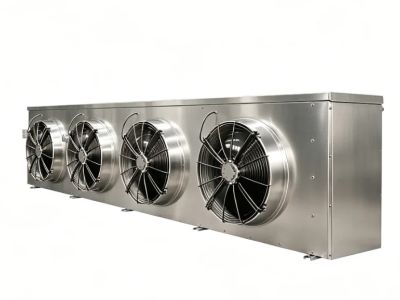
Cold room condensing units are vital components in the refrigeration systems of cold storage rooms, freezers, and other temperature-controlled environments. They play a crucial role in maintaining optimal temperatures for perishable goods in industries such as food, pharmaceuticals, and logistics. For B2B buyers, understanding the quality, efficiency, and installation considerations of these units is essential to ensure reliable operation and compliance with industry standards. This article will guide you through evaluating cold room condensing units, exploring their benefits, installation guidance, common issues, and material advantages, helping you make informed purchasing decisions.

Benefits and Considerations

Investing in high-quality cold room condensing units offers several benefits that extend beyond basic temperature control. One of the primary advantages is energy efficiency. Modern units are designed to use less power while providing adequate cooling, leading to significant energy savings over time. This is particularly beneficial for businesses that operate large cold storage facilities.

Another consideration is customization. Many manufacturers, like Shanghai Zhaoxue Refrigeration Co., Ltd., offer tailored solutions to meet specific operational requirements. Customization can include size adjustments, control systems, and integration with existing refrigeration setups. This flexibility ensures that your cold room operates optimally, accommodating various product types and storage conditions. For instance, implementing a Tunnel Freezer can optimize your freezing processes.

However, it is essential to balance these benefits with considerations regarding initial investment and maintenance. While higher-quality units may come with a higher upfront cost, they often result in lower long-term operational expenses due to their durability and energy efficiency. Additionally, ensure that you have a maintenance plan in place to avoid unexpected downtime and repair costs.
Installation Guidance for Efficient Cold Room Condensing Units

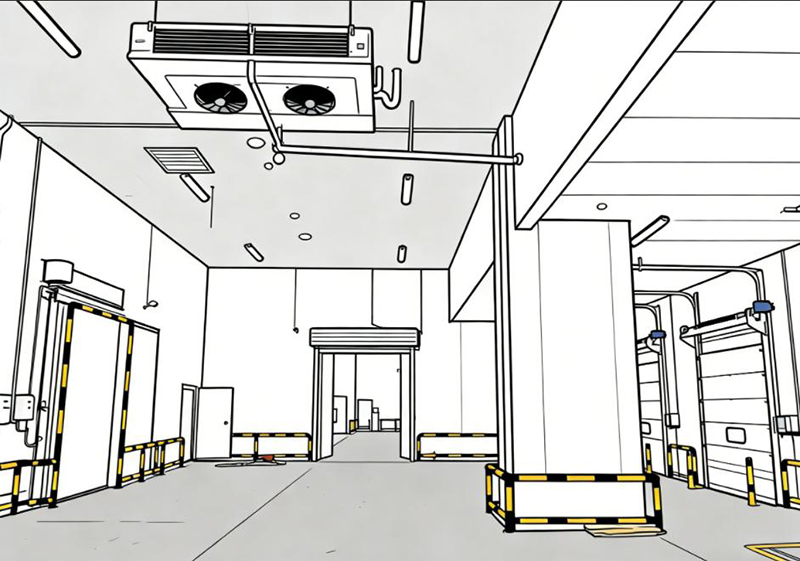
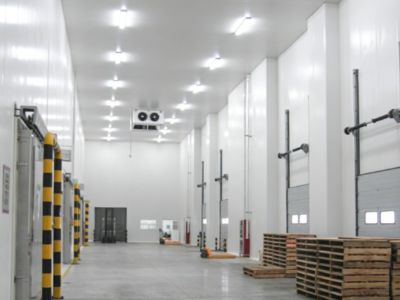
Proper installation of cold room condensing units is crucial for achieving optimal performance and longevity. Start by selecting an appropriate location that allows for adequate airflow and minimizes heat sources. The unit should be installed in a cool, dry area, away from direct sunlight and hot equipment.

During installation, ensure that all connections, including electrical and refrigerant lines, are secure and leak-free. Consider hiring a qualified technician for installation to ensure compliance with local codes and regulations. This step is vital, as improper installation can lead to inefficiencies and potential safety hazards.

After installation, perform a test run to verify that the unit operates correctly. Monitor key performance indicators such as temperature stability and energy consumption to ensure that the unit meets expected performance levels. Regular inspections post-installation can help identify any issues early, maintaining efficiency and reliability.

Common Problems with Condensing Units and Effective Solutions

Cold room condensing units can encounter several common issues that may affect their performance. One frequent problem is insufficient cooling, which can result from various factors, including refrigerant leaks, dirty coils, or inadequate airflow. To address this, regularly inspect and clean the coils and ensure that the refrigerant levels are appropriate. If a leak is suspected, consult a qualified technician to perform a thorough inspection and necessary repairs.

Another common issue is noise, which may indicate that the unit is not operating efficiently. Noisy operation can stem from loose components or issues with the compressor. Tightening loose parts and ensuring proper mounting can often resolve these problems, but if noise persists, professional evaluation may be necessary.

Finally, electrical issues can also arise, particularly in older units. Regularly check electrical connections and components for signs of wear or damage. Implementing a proactive maintenance schedule can significantly reduce the likelihood of electrical failures, ensuring smooth operation.

Understanding Material Advantages in Cold Room Condensing Units

The materials used in cold room condensing units are essential not only for performance but also for durability and efficiency. Common materials include stainless steel, aluminum, and specialized plastics. Each material has its benefits and considerations:

Stainless Steel: Known for its corrosion resistance and durability, stainless steel is an excellent choice for units exposed to harsh conditions. Its strength ensures longevity and minimizes the risk of leaks.

Aluminum: Lightweight and resistant to corrosion, aluminum is often used in evaporator coils. It conducts heat effectively, contributing to the overall efficiency of the unit.

Insulation Materials: High-quality insulation, such as polyurethane foam, is crucial for minimizing heat transfer. This material helps maintain stable temperatures within the cold room, reducing energy consumption.

When selecting a cold room condensing unit, consider how these materials align with your operational needs. For example, if your facility is located in a humid environment, prioritizing corrosion-resistant materials will enhance the unit's durability and performance.

Understanding the technical specifications, benefits, installation requirements, common issues, and material advantages of cold room condensing units is vital for making informed purchasing decisions. By applying this knowledge, B2B buyers can ensure that they select the right units for their specific needs, ultimately leading to improved operational efficiency and product preservation.

How to Evaluate the Quality of Cold Room Condensing Units

When assessing cold room condensing units, focus on several key specifications that directly impact their performance and reliability. First, consider the cooling capacity, typically measured in BTUs (British Thermal Units) or kilowatts. This specification determines how effectively the unit can maintain the desired temperature in your cold room. Ensure that the cooling capacity aligns with the size of your storage area and the type of products you will be storing.

Next, evaluate the energy efficiency ratio (EER) or coefficient of performance (COP). These metrics indicate how effectively the unit converts energy into cooling power. A higher EER or COP means lower energy costs and a reduced environmental footprint, which is especially important in industries aiming for sustainability.

Material quality is another crucial aspect. Look for units with high-grade components, such as corrosion-resistant coatings and durable insulation materials. These factors contribute to the longevity and operational efficiency of the unit, minimizing maintenance issues over time. Additionally, consider investing in Self-stacking Spiral Freezers that can enhance storage efficiency in your cold room.

Finally, review the manufacturer's certifications and testing processes. Certifications like ISO and CE ensure that the units meet specific quality and safety standards. A reputable manufacturer will provide documentation of these certifications, along with test results demonstrating the unit's performance under various conditions.

Frequently Asked Questions

What is a condensing unit cold room?

A condensing unit cold room is a refrigerated space where the condensing unit (compressor, condenser, controls) is integrated to cool and maintain set temperatures for storage of food, pharma, or logistics goods.
We deliver custom rooms covering ambient chilled (+2°C to +8°C), blast chill, and deep freeze ranges down to -40°C depending on application and insulation.
Yes. We engineer and fabricate custom sizes, panel layouts, door types, and internal fittings to match storage capacity, workflow, and regulatory needs.
Yes. Our systems include automated temperature controls, remote monitoring, alarms, and data logging options for HACCP and pharmaceutical compliance.
We use high-performance insulation, variable-speed compressors, heat recovery options, and optimized system controls to minimize energy use and operating costs.

Our Blog Posts

10 Fascinating Facts About Cold Room You Never Knew!

12

Oct

10 Fascinating Facts About Cold Room You Never Knew!

The World's Largest "Refrigerator" Can Hold the Entire City of Rome. The global cold storage network is vast beyond imagination. For instance, the total storage capacity of one of North America's largest cold storage operators exceeds 400 million cub...
View More
what is a chiller used for

03

Nov

what is a chiller used for

Industrial chillers are critical components in various sectors, providing precise temperature control for a range of applications. Understanding what a energy-efficient chillers is used for can greatly influence purchasing decisions for business...
View More
what does evaporator coil do

03

Nov

what does evaporator coil do

Understanding what an evaporator coil does is essential for anyone involved in the purchasing or maintenance of refrigeration systems. These coils play a crucial role in cooling processes by absorbing heat from the environment, making them indispensa...
View More
what are the methods of food preservation

03

Nov

what are the methods of food preservation

Food preservation is a critical process for maintaining the quality and safety of perishable items, especially in the food industry. Understanding what are the methods of food preservation can help businesses minimize waste, ensure product integrity,...
View More

Leave a Message

Email
Name
Company Name
Message
0/1000

Related product categories