EN

Bespoke cold rooms are custom-engineered refrigeration solutions designed to meet specific storage requirements for various industries, including food, pharmaceuticals, and logistics. As a purchasing manager or distributor, your primary concerns may include energy efficiency, application suitability, and customization capabilities. This article will guide you through the essential considerations when selecting bespoke cold rooms for your business, helping you make informed purchasing decisions.
Key Specifications for Energy-Efficient Bespoke Cold Rooms
When evaluating bespoke cold rooms, certain specifications are crucial for ensuring energy efficiency and optimal performance. Key specifications include:
Insulation Thickness and Material: The insulation thickness directly impacts energy efficiency. A thicker, high-quality insulation material reduces heat transfer, maintaining stable internal temperatures and reducing energy costs.
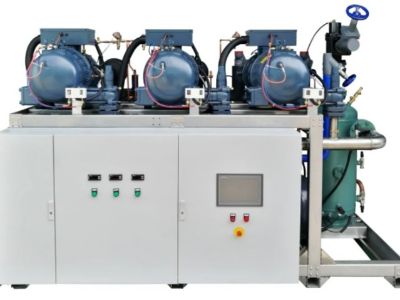
Cooling Systems: The type of cooling system employed—whether it’s a direct expansion system, chilled water system, or a combination—affects energy consumption. Look for systems with variable speed drives and advanced control technologies that adjust cooling output based on load requirements.
Temperature Control Range: Ensure that the cold room can maintain the specific temperature ranges required for your products. For instance, pharmaceutical products often require precise temperature controls, while food storage may need varying temperature zones.
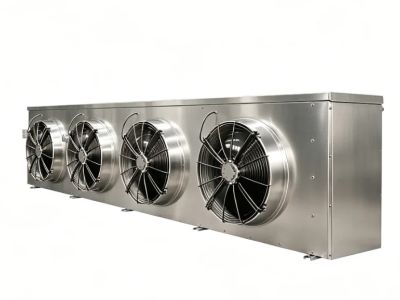
Airflow Design: Efficient airflow design is essential for maintaining consistent temperatures throughout the cold room. Assess the layout of air distribution systems to ensure uniform cooling without creating hot spots.
Energy Consumption Ratings: Review the energy consumption ratings and efficiency certifications of the cold room. Opt for models that meet or exceed recognized standards, which can provide long-term cost savings.
By focusing on these specifications, you can select bespoke cold rooms that not only fulfill your storage requirements but also contribute to sustainability and cost-efficiency.