Key Specifications for Bespoke Cold Rooms

Let's Discuss Your Needs

Every great collaboration starts with a friendly chat.
We're here to help you figure things out and find the best way forward.
Company Name
Name
Email
WhatsApp
Mobile

bespoke cold rooms

Bespoke cold rooms are custom-engineered refrigeration solutions designed to meet specific storage requirements for various industries, including food, pharmaceuticals, and logistics. As a purchasing manager or distributor, your primary concerns may include energy efficiency, application suitability, and customization capabilities. This article will guide you through the essential considerations when selecting bespoke cold rooms for your business, helping you make informed purchasing decisions.

Key Specifications for Energy-Efficient Bespoke Cold Rooms

When evaluating bespoke cold rooms, certain specifications are crucial for ensuring energy efficiency and optimal performance. Key specifications include:

Insulation Thickness and Material: The insulation thickness directly impacts energy efficiency. A thicker, high-quality insulation material reduces heat transfer, maintaining stable internal temperatures and reducing energy costs.

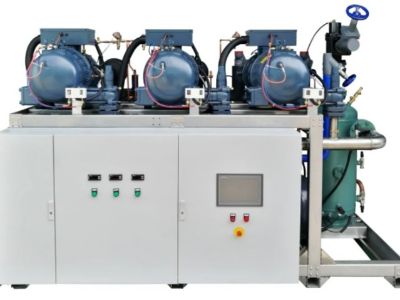
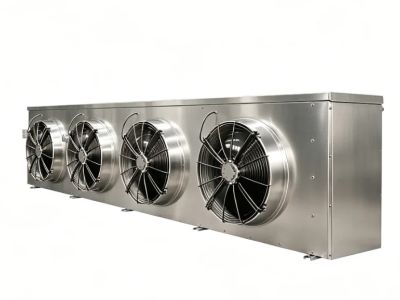
Cooling Systems: The type of cooling system employed—whether it’s a direct expansion system, chilled water system, or a combination—affects energy consumption. Look for systems with variable speed drives and advanced control technologies that adjust cooling output based on load requirements.

Temperature Control Range: Ensure that the cold room can maintain the specific temperature ranges required for your products. For instance, pharmaceutical products often require precise temperature controls, while food storage may need varying temperature zones.

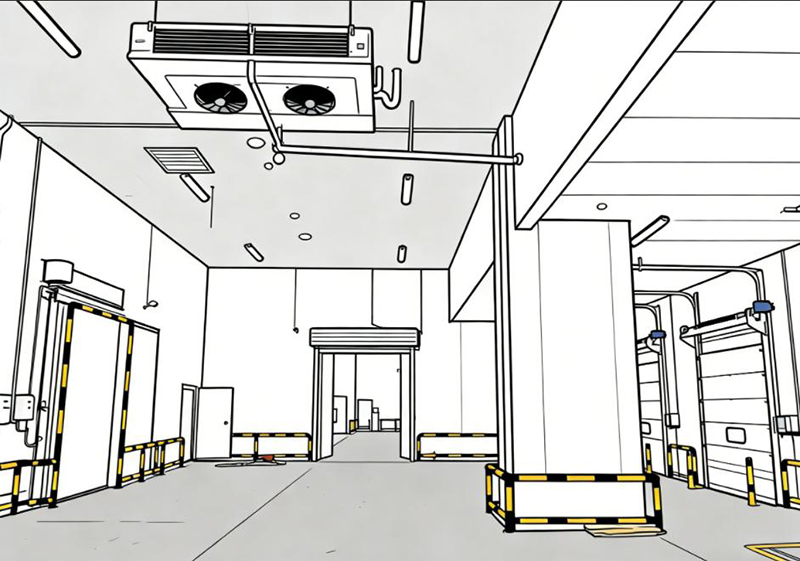
Airflow Design: Efficient airflow design is essential for maintaining consistent temperatures throughout the cold room. Assess the layout of air distribution systems to ensure uniform cooling without creating hot spots.

Energy Consumption Ratings: Review the energy consumption ratings and efficiency certifications of the cold room. Opt for models that meet or exceed recognized standards, which can provide long-term cost savings.

By focusing on these specifications, you can select bespoke cold rooms that not only fulfill your storage requirements but also contribute to sustainability and cost-efficiency.
What You Need to Know

Before moving forward with a purchase, there are several considerations that will help you make an informed decision. First, gather detailed information regarding your specific needs—this includes the type of products to be stored, required temperature ranges, and any special handling requirements.

Next, understand the manufacturing process and the materials used in constructing the cold room. High-quality materials can enhance durability and energy efficiency. Inquire about the manufacturer's production capabilities and quality control processes, as these factors significantly influence the final product.

When discussing pricing, consider that customization may lead to variations in costs. Request a detailed quotation that outlines all aspects, including materials, labor, and any optional features. Additionally, confirm lead times to ensure that the cold room can be delivered and installed according to your project timeline.

Finally, ask about installation requirements and post-installation support. Proper installation is vital for optimal performance, and a manufacturer that offers training or support can help ensure your staff operates the equipment efficiently.

How to Compare Different Suppliers of Bespoke Cold Rooms

When comparing suppliers of bespoke cold rooms, it’s essential to evaluate their experience and expertise in your specific industry. Look for manufacturers with a proven track record in delivering solutions tailored to your needs. This includes their ability to handle complex requirements and provide customized designs.

Requesting references or case studies from previous clients can also give insight into their reliability and service quality. Assessing customer feedback and testimonials helps gauge how well they have met other clients’ expectations.

Consider the suppliers' certifications and compliance with industry standards. Certifications can indicate a commitment to quality and safety. Make sure to verify that the manufacturer adheres to relevant regulations in your region.

Finally, evaluate the after-sales support offered by each supplier. A responsive support team can be invaluable in troubleshooting any issues that arise post-installation. Look for suppliers who provide warranties, maintenance services, and quick response times for service requests.

Best Practices for Contractors

For contractors involved in the installation of bespoke cold rooms, adhering to best practices can ensure a successful project. Begin with thorough planning and collaboration with the manufacturer. Understand the specifications and requirements to avoid any miscommunication during the installation process.

Ensure that all necessary permits and inspections are completed before installation begins. This not only helps in compliance but also in avoiding delays due to regulatory issues.

During installation, maintain high standards of workmanship. Attention to detail is critical when sealing joints and ensuring proper insulation. Any gaps can lead to energy loss, undermining the efficiency of the cold room.

Post-installation, it’s beneficial to conduct thorough testing to confirm that the cold room operates within the specified parameters. This includes checking temperature consistency, airflow, and overall functionality. Providing comprehensive training for staff on operating and maintaining the cold room will enhance its performance and lifespan.

By following these best practices, contractors can contribute to the successful deployment of bespoke cold rooms, ensuring that they meet the operational needs of their clients.

What to Consider When Choosing Bespoke Cold Rooms for Your Business

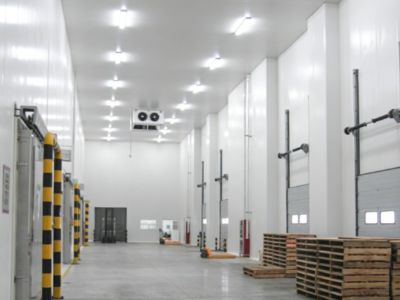
When selecting bespoke cold rooms, several critical factors must be taken into account. First, identify the intended application—whether for perishable food storage, pharmaceutical products, or logistics. Each application has unique temperature and humidity requirements that will affect the design and materials used. For instance, specialized solutions such as Cold Room can be beneficial for specific storage needs.

Next, consider the size and layout of the space available for installation. Accurate measurements are crucial, as a cold room that doesn’t fit well into the designated area can lead to increased operational costs and inefficient use of space. Understanding your business's specific needs will help in designing a cold room that maximizes efficiency and minimizes waste.

Energy efficiency is another important consideration. Look for cold rooms that use advanced insulation materials and energy-efficient cooling systems to reduce operating costs. Many manufacturers, including Shanghai Zhaoxue Refrigeration Co., Ltd., offer energy-efficient options that comply with international standards, which can significantly lower your overall energy consumption. For example, REFRIGERATION UNITS are designed to optimize energy use.

Lastly, assess the level of customization available. Bespoke cold rooms can be tailored to meet specific temperature ranges, dimensions, and features, such as automated control systems and monitoring technologies. Discuss your requirements in detail with potential suppliers to ensure they can deliver the exact specifications your business demands.

Frequently Asked Questions

What are bespoke cold rooms?

Custom-engineered cold storage solutions tailored to your temperature, size, and workflow needs for food, pharma, or logistics applications.
We design rooms for a wide range—from chilled (+2°C to +8°C) to deep-freeze (-18°C and below), adjusted to product and process requirements.
Yes. We provide automated monitoring, PLC controls, and remote access for temperature, defrost, alarms, and energy optimization.
Yes. Our systems use high-performance insulation, efficient refrigeration units, and control strategies to minimize energy use and operating costs.
We assess site and product needs, provide engineered designs and proposals, manufacture components, then handle installation, testing, and commissioning globally.

Our Blog Posts

10 Fascinating Facts About Cold Room You Never Knew!

12

Oct

10 Fascinating Facts About Cold Room You Never Knew!

The World's Largest "Refrigerator" Can Hold the Entire City of Rome. The global cold storage network is vast beyond imagination. For instance, the total storage capacity of one of North America's largest cold storage operators exceeds 400 million cub...
View More
what is a chiller used for

03

Nov

what is a chiller used for

Industrial chillers are critical components in various sectors, providing precise temperature control for a range of applications. Understanding what a energy-efficient chillers is used for can greatly influence purchasing decisions for business...
View More
how to clean condensing unit

03

Nov

how to clean condensing unit

Cleaning a condensing unit is essential for maintaining the efficiency and longevity of refrigeration systems, particularly in industries like food processing, pharmaceuticals, and logistics. Proper cleaning helps prevent malfunctions, reduces energy...
View More
what does evaporator coil do

03

Nov

what does evaporator coil do

Understanding what an evaporator coil does is essential for anyone involved in the purchasing or maintenance of refrigeration systems. These coils play a crucial role in cooling processes by absorbing heat from the environment, making them indispensa...
View More

Leave a Message

Email
Name
Company Name
Message
0/1000

Related product categories