EN

Evaporator refrigeration systems are essential components in various industries, providing cooling solutions for food preservation, pharmaceuticals, and logistics. For B2B buyers, selecting the right evaporator refrigeration unit involves understanding technical specifications, quality assurance, and the specific needs of their application. This article will explore key factors to consider when choosing these systems, ensuring that purchasing managers and engineers are well-informed to make decisions that align with their operational requirements.
Top Specifications to Consider for Evaporator Refrigeration Units
Several key specifications should be evaluated when choosing an evaporator refrigeration unit:
Cooling Capacity: Measured in BTUs or kilowatts, cooling capacity must match the load requirements. An undersized unit will struggle to maintain desired temperatures, while an oversized unit may lead to excessive energy consumption.
Temperature Range: Different applications require different temperature ranges. Ensure the system can achieve the required low and high temperatures for your products, particularly in sensitive industries like food and pharmaceuticals.
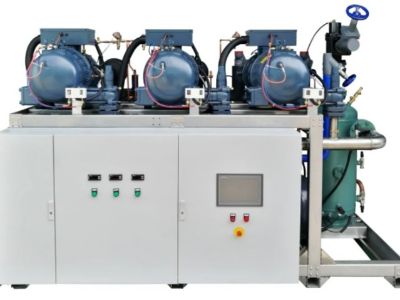
Compressor Type: The compressor is the heart of any refrigeration system. Options include reciprocating, scroll, and rotary compressors, each with distinct advantages and efficiencies under varying conditions.
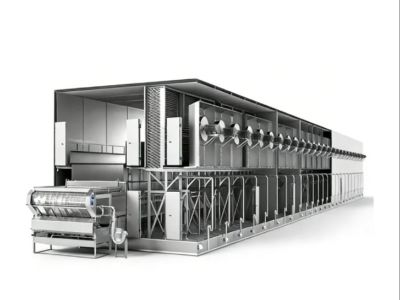
Energy Efficiency Ratio (EER): A higher EER indicates a more efficient unit. Energy-efficient systems reduce operating costs and are better for the environment. For example, incorporating a Self-stacking Spiral Freezer can significantly improve energy efficiency.
Construction Materials: Units should be constructed from durable materials resistant to corrosion and wear, especially in demanding environments. Stainless steel is commonly used due to its robustness and hygiene properties.
Control Systems: Advanced control systems enhance operational efficiency. Look for units with digital interfaces that allow remote monitoring and adjustments.