Industrial Evaporators: Key Considerations and Sourcing

Let's Discuss Your Needs

Every great collaboration starts with a friendly chat.
We're here to help you figure things out and find the best way forward.
Company Name
Name
Email
WhatsApp
Mobile

industrial evaporators

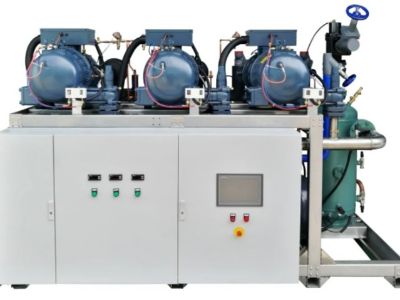
Industrial evaporators are essential components in various sectors, particularly in food processing, pharmaceuticals, and logistics. These devices facilitate the efficient removal of heat from a system, thus maintaining the necessary temperature for product integrity and quality. For B2B buyers, key concerns include energy efficiency, customization options, and compliance with industry standards. This article will provide a comprehensive overview of industrial evaporators, including considerations for bulk orders, critical specifications, application versatility, installation guidance, and sourcing options.

Key Specifications for Industrial Evaporators You Should Know

Understanding the key specifications of industrial evaporators is crucial for making informed purchasing decisions. The following specifications should be prioritized:

Cooling Capacity: Measured in BTUs or kW, this indicates the amount of heat the evaporator can remove. It’s essential to match this with your application’s cooling requirements to prevent over or under-sizing.

Material Composition: Common materials include stainless steel for its corrosion resistance and durability, especially in food and pharmaceutical applications. Buyers should confirm that the materials comply with relevant health and safety regulations.

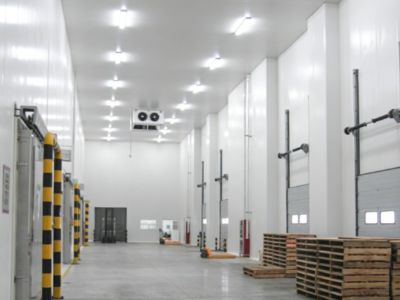
Dimensions: The physical size of the evaporator must fit the designated installation space. Buyers should ensure that any associated equipment can accommodate the dimensions without affecting performance. For instance, Cold Room installations often require careful planning around evaporator dimensions.

Energy Efficiency Ratings: Look for evaporators with high energy efficiency ratings, as these can significantly impact operating costs over time. This is particularly important for facilities operating on tight margins.

Operating Conditions: Specifications regarding pressure, temperature range, and humidity levels are essential. These factors will determine whether the evaporator can perform adequately within your specific operational conditions.

Certifications: Ensure that the evaporators meet industry standards such as ISO or CE certifications, which can indicate quality and reliability.

By thoroughly understanding these specifications, buyers can better evaluate their options and select the most suitable industrial evaporators for their needs.
Industrial Evaporators for Different Applications

Industrial evaporators serve a wide range of applications across multiple industries. Here are a few key sectors where they are indispensable:

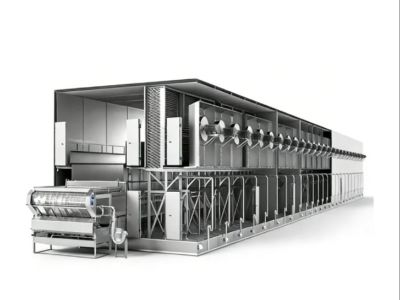
Food Processing: In this sector, evaporators are used for refrigeration and cooling processes, ensuring that food products maintain freshness and quality during storage and transportation. Customized evaporators can also be designed to handle specific temperature requirements depending on the type of food being processed. For example, Tunnel Freezer technology can be integrated for efficient cooling.

Pharmaceuticals: The pharmaceutical industry requires precise temperature control to ensure the efficacy of products. Industrial evaporators used in this sector must meet stringent regulatory standards and offer high reliability and energy efficiency.

Logistics and Cold Chain Management: Evaporators are crucial in maintaining the cold chain for perishable goods. They ensure consistent temperatures throughout storage and transportation, preventing spoilage and ensuring compliance with health regulations.

Chemical Processing: In chemical plants, evaporators are used to concentrate solutions or remove solvents. They must be designed to withstand harsh chemicals and provide high levels of safety to protect workers and the environment.

By understanding the specific applications of industrial evaporators, buyers can better assess their requirements and identify the right solutions for their operations.

Installation Guidance for Efficient Industrial Evaporators

Proper installation is vital to ensure that industrial evaporators function efficiently and reliably. Here are some key considerations during the installation phase:

Site Preparation: Before installation, ensure that the site is adequately prepared. This includes verifying that the foundation can support the evaporator's weight and that there is sufficient space for airflow and maintenance access.

Alignment and Leveling: It is crucial to properly align and level the evaporator during installation. Misalignment can lead to inefficient operation and potential damage. Use leveling tools to ensure accuracy.

Connection to Other Systems: Properly connect the evaporator to other systems, such as refrigeration units and piping. Ensure that all connections are secure and leak-free to maintain efficiency and safety.

Electrical Setup: Verify that the electrical system meets the evaporator's requirements. This includes checking voltage and amperage specifications. It is advisable to have qualified personnel handle electrical installations to prevent malfunctions.

Testing and Calibration: After installation, conduct thorough testing to ensure that the evaporator operates within the specified parameters. Calibration may be necessary to optimize performance.

Documentation: Keep detailed records of the installation process, including diagrams, specifications, and any adjustments made. This documentation can be invaluable for future maintenance and troubleshooting.

By following these guidelines, buyers can ensure a smooth installation process that maximizes the performance and longevity of their industrial evaporators.

Where to Source High-Quality Industrial Evaporators for Wholesale

Finding reliable suppliers for industrial evaporators requires careful consideration of several factors. Here are some strategies for sourcing high-quality evaporators:

Industry Associations and Trade Shows: Attend industry-specific trade shows and join associations related to refrigeration and manufacturing. These venues often feature reputable manufacturers and allow for direct interaction and discussion about products.

Online Marketplaces and Directories: Utilize online platforms that specialize in industrial equipment. Websites such as Alibaba or ThomasNet can provide access to a wide range of suppliers, along with reviews and ratings from previous customers.

Requesting Samples: Before committing to a bulk order, request samples or prototypes of the evaporators. Evaluating a sample allows you to check for quality, performance, and compliance with specifications.

Supplier Assessment: Conduct thorough assessments of potential suppliers. This includes reviewing their manufacturing capabilities, quality control processes, and certifications. A reputable supplier should be transparent about their production methods and quality assurance practices.

Customization Capability: Ensure that the supplier has the capability to customize evaporators to meet your specific needs. This flexibility can be crucial for industries with unique requirements.

After-Sales Support: Evaluate the level of after-sales support offered by the supplier. Reliable support can be critical for maintenance and troubleshooting, ensuring minimal downtime for your operations.

By following these sourcing strategies, buyers can establish relationships with reputable suppliers that meet their quality and performance standards for industrial evaporators.

Considerations for Bulk Orders of Industrial Evaporators

When placing bulk orders for industrial evaporators, several factors should be considered to ensure that the procurement process aligns with operational needs. First, evaluate the specific requirements of your application, including the required cooling capacity, dimensions, and any customization needs. Understanding your operational environment—such as temperature ranges, humidity levels, and the type of materials being processed—will also influence the selection of appropriate evaporators.

Another critical aspect is the manufacturer's minimum order quantity (MOQ). Manufacturers often have MOQs that can affect your purchasing strategy, especially if your needs fluctuate. Additionally, consider lead times for production and delivery, as these can vary widely depending on the complexity of the order and the manufacturer’s capacity. Engaging in discussions about potential discounts for larger orders can also provide significant cost benefits.

Lastly, establish clear communication channels with the supplier to address any concerns during the ordering process, such as payment terms, shipping logistics, and after-sales support. This proactive approach can help mitigate common issues that arise during bulk procurement.

Frequently Asked Questions

What types of industrial evaporators do you offer?

We supply custom-engineered evaporators for cold storage, blast freezers, and process cooling tailored to food, pharma, and logistics needs with energy-efficient designs.
Yes. Our evaporators are designed for seamless integration with automated refrigeration controls, sensors, and PLCs for remote monitoring and process automation.
Absolutely. We engineer coil size, fan capacity, and defrost method to meet specified temperature and humidity targets for different applications.
Options include high-efficiency fans, optimized coil layouts, variable-speed drives, and smart defrost controls to minimize energy use and operating costs.
Yes. We provide global installation guidance, commissioning, maintenance plans, spare parts, and technical support to ensure reliable long-term operation.

Our Blog Posts

what is a chiller used for

03

Nov

what is a chiller used for

Industrial chillers are critical components in various sectors, providing precise temperature control for a range of applications. Understanding what a energy-efficient chillers is used for can greatly influence purchasing decisions for business...
View More
how to set temperature in chiller

03

Nov

how to set temperature in chiller

Setting the correct temperature in a chiller is crucial for maintaining the quality and safety of sensitive products, especially in industries like food, pharmaceuticals, and logistics. This article will address key considerations for B2B buyers, inc...
View More
how to clean condensing unit

03

Nov

how to clean condensing unit

Cleaning a condensing unit is essential for maintaining the efficiency and longevity of refrigeration systems, particularly in industries like food processing, pharmaceuticals, and logistics. Proper cleaning helps prevent malfunctions, reduces energy...
View More
what are the advantages of food preservation

03

Nov

what are the advantages of food preservation

Food preservation is a critical process that extends the shelf life of perishable goods such as fruits, vegetables, meats, and dairy products. Understanding the advantages of food preservation can greatly benefit businesses in the food industry, incl...
View More

Leave a Message

Email
Name
Company Name
Message
0/1000

Related product categories