Choosing Evaporator Refrigeration Systems: Key Factors

Let's Discuss Your Needs

Every great collaboration starts with a friendly chat.
We're here to help you figure things out and find the best way forward.
Company Name
Name
Email
WhatsApp
Mobile

evaporator refrigeration

Evaporator refrigeration systems are essential components in various industries, providing cooling solutions for food preservation, pharmaceuticals, and logistics. For B2B buyers, selecting the right evaporator refrigeration unit involves understanding technical specifications, quality assurance, and the specific needs of their application. This article will explore key factors to consider when choosing these systems, ensuring that purchasing managers and engineers are well-informed to make decisions that align with their operational requirements.

Top Specifications to Consider for Evaporator Refrigeration Units

Several key specifications should be evaluated when choosing an evaporator refrigeration unit:

Cooling Capacity: Measured in BTUs or kilowatts, cooling capacity must match the load requirements. An undersized unit will struggle to maintain desired temperatures, while an oversized unit may lead to excessive energy consumption.

Temperature Range: Different applications require different temperature ranges. Ensure the system can achieve the required low and high temperatures for your products, particularly in sensitive industries like food and pharmaceuticals.

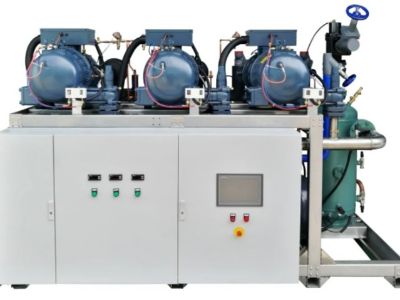
Compressor Type: The compressor is the heart of any refrigeration system. Options include reciprocating, scroll, and rotary compressors, each with distinct advantages and efficiencies under varying conditions.

Energy Efficiency Ratio (EER): A higher EER indicates a more efficient unit. Energy-efficient systems reduce operating costs and are better for the environment. For example, incorporating a Self-stacking Spiral Freezer can significantly improve energy efficiency.

Construction Materials: Units should be constructed from durable materials resistant to corrosion and wear, especially in demanding environments. Stainless steel is commonly used due to its robustness and hygiene properties.

Control Systems: Advanced control systems enhance operational efficiency. Look for units with digital interfaces that allow remote monitoring and adjustments.
How to Evaluate the Quality of Evaporator Refrigeration Solutions

Quality evaluation of evaporator refrigeration solutions involves several steps:

Manufacturer Reputation: Research the manufacturer’s history, industry experience, and customer reviews. Companies like Shanghai Zhaoxue Refrigeration Co., Ltd., with a focus on energy-efficient systems, often have proven track records.

Certifications and Compliance: Ensure that the units meet local and international standards for safety and performance. Compliance with ISO or CE certifications can indicate a commitment to quality.

Warranty and Support: A robust warranty and available customer support are crucial for mitigating risks associated with equipment failures. Understand what is covered and the response times for service.

Quality Control Processes: Inquire about the manufacturer’s quality control measures during production. A rigorous testing regime before shipment ensures reliability and performance.

Sample Approval: Before committing to a large order, request a sample unit to assess performance under actual operating conditions. This step helps identify potential issues that may not be apparent from specifications alone.

Common Problems with Evaporator Refrigeration and Their Solutions

Evaporator refrigeration systems can encounter various issues that affect performance. Below are common problems and their solutions:

Insufficient Cooling: This could be due to improper sizing, low refrigerant levels, or dirty coils. Regular maintenance, including cleaning and checking refrigerant levels, is essential to prevent this issue.

Frost Build-Up: Excessive frost can obstruct airflow and reduce efficiency. Regular defrost cycles and ensuring proper humidity control can mitigate this issue.

Compressor Failure: Often a result of overheating or electrical issues, regular inspections and ensuring adequate airflow around the compressor can help prevent failures.

Noise Issues: Unusual sounds can indicate mechanical problems. Conducting routine checks on bearings and other moving parts can help identify and rectify these issues early.

Energy Inefficiency: If energy bills are higher than expected, assess system settings and maintenance history. Upgrading to a more energy-efficient model may provide long-term savings.

Applications of Evaporator Refrigeration in Food and Pharma Industries

In the food industry, evaporator refrigeration is vital for maintaining the quality and safety of perishable goods. Proper refrigeration prevents spoilage, extends shelf life, and complies with health regulations. Applications include cold storage for fruits, vegetables, dairy products, and meat processing facilities.

In the pharmaceutical sector, precise temperature control is critical for the storage of vaccines, medications, and sensitive biological materials. Evaporator refrigeration systems designed for these applications require stringent quality control and monitoring capabilities to ensure compliance with regulatory standards.

Overall, the adaptability of evaporator refrigeration systems makes them essential in various industrial applications, supporting the integrity of products and ensuring operational efficiency.

By understanding these aspects of evaporator refrigeration systems, B2B buyers can make informed decisions that align with their operational needs and enhance their overall efficiency.

What to Look for When Choosing Evaporator Refrigeration Systems

When selecting an evaporator refrigeration system, it is critical to assess the specific cooling needs of your application. Factors such as the volume of space to be cooled, the type of products being stored, and environmental conditions play significant roles in determining the appropriate system. Additionally, consider the energy efficiency ratings of the units, as energy costs can significantly impact long-term operational expenses. For instance, integrating systems like Tunnel Freezer can enhance efficiency in certain applications.

Look for systems that offer customization options, allowing for tailored solutions that fit unique requirements. Features such as adjustable temperature settings, humidity control, and monitoring capabilities are valuable for maintaining optimal storage conditions. Collaborating with a manufacturer experienced in custom engineering, like Shanghai Zhaoxue Refrigeration Co., Ltd., can ensure you receive a solution that meets your specific needs.

Frequently Asked Questions

What is an evaporator in refrigeration systems?

An evaporator is the component that absorbs heat from the storage space, allowing refrigerant to evaporate and create cooling for cold rooms, freezers, or ice machines.
We provide plate, fin-tube, and coil evaporators, customizable for temperature range, capacity, and space constraints in food, pharma, and logistics facilities.
Yes. We custom-engineer evaporator size, capacity, controls, and defrosting methods to match your cold room layout and product refrigeration needs.
We optimize heat-exchanger design, use high-efficiency fans and controls, and integrate automated defrost and monitoring to minimize energy use and maintain consistent temperatures.
Regular cleaning, coil inspection, fan and motor checks, defrost system tests, and leak detection. We offer maintenance plans and remote monitoring support to extend service life.

Our Blog Posts

how to set temperature in chiller

03

Nov

how to set temperature in chiller

Setting the correct temperature in a chiller is crucial for maintaining the quality and safety of sensitive products, especially in industries like food, pharmaceuticals, and logistics. This article will address key considerations for B2B buyers, inc...
View More
how to clean condensing unit

03

Nov

how to clean condensing unit

Cleaning a condensing unit is essential for maintaining the efficiency and longevity of refrigeration systems, particularly in industries like food processing, pharmaceuticals, and logistics. Proper cleaning helps prevent malfunctions, reduces energy...
View More
what are the methods of food preservation

03

Nov

what are the methods of food preservation

Food preservation is a critical process for maintaining the quality and safety of perishable items, especially in the food industry. Understanding what are the methods of food preservation can help businesses minimize waste, ensure product integrity,...
View More
what are the advantages of food preservation

03

Nov

what are the advantages of food preservation

Food preservation is a critical process that extends the shelf life of perishable goods such as fruits, vegetables, meats, and dairy products. Understanding the advantages of food preservation can greatly benefit businesses in the food industry, incl...
View More

Leave a Message

Email
Name
Company Name
Message
0/1000

Related product categories