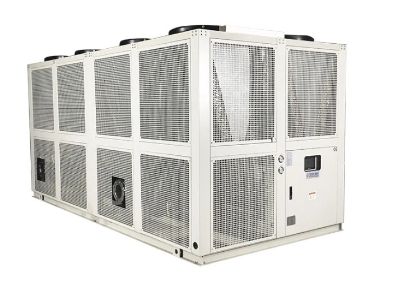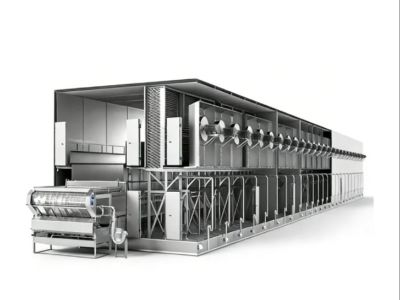
Cost and Applications of Cold Room Floor Panels

Let's Discuss Your Needs

Every great collaboration starts with a friendly chat.
We're here to help you figure things out and find the best way forward.
Company Name
Name
Email
WhatsApp
Mobile

cold room floor panels

Cold room floor panels are critical components of cold storage facilities, ensuring optimal insulation and support for temperature-sensitive products in industries such as food and pharmaceuticals. As a B2B buyer, you may have specific concerns about cost, durability, and suitability for your application. This article will provide valuable insights into the factors influencing the cost of cold room floor panels, common issues you may encounter, material comparisons, and their applications in various industries, helping you make informed purchasing decisions.

Common Problems with Cold Room Floor Panels and Their Solutions

Cold room floor panels can encounter several issues that impact their performance and longevity. One common problem is moisture accumulation, which can lead to mold growth or structural damage. To mitigate this, ensure that the panels are properly sealed and that the cold room is equipped with a reliable drainage system.

Another frequent issue is thermal bridging, where heat transfer occurs through less insulated areas, compromising the efficiency of the cold storage. Using high-quality insulation materials and ensuring proper installation can help reduce thermal bridging and maintain consistent temperatures. For instance, utilizing REFRIGERATION UNITS can enhance overall system efficiency.

Additionally, improper load distribution can cause panel deformation or failure. Buyers should ensure that the panels are rated for the specific loads they will bear and that they are installed on a level surface to avoid uneven stress.

Regular maintenance and inspections are essential in identifying these problems early. Ensure that your staff is trained to monitor for signs of wear or moisture and to carry out maintenance tasks promptly.
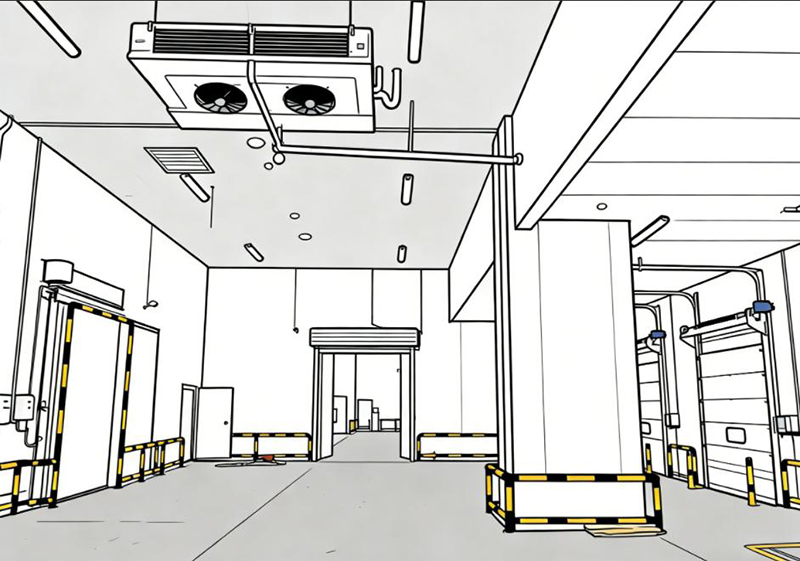
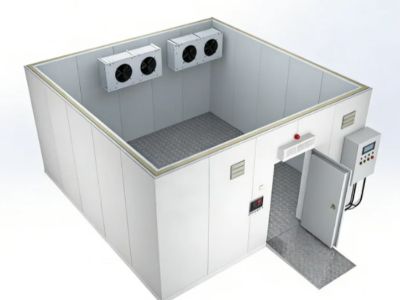
Comparing Material Advantages of Cold Room Floor Panels

When selecting cold room floor panels, the material you choose will significantly influence performance, durability, and cost.

Polyurethane Panels

Polyurethane panels are known for their excellent insulation properties, achieving lower thermal conductivity. This makes them suitable for environments that require strict temperature control. Their lightweight nature also allows for easier installation. However, they can be more expensive than other options.

Polystyrene Panels

Polystyrene panels offer a cost-effective alternative with decent insulation but lower performance compared to polyurethane. They are less durable and can be susceptible to moisture damage. However, they are often used in less demanding applications due to their affordability.

Concrete Panels

Concrete panels are extremely durable and can withstand heavy loads, making them ideal for high-traffic areas. They do not suffer from moisture issues like some synthetic materials, but they require more insulation to achieve the desired thermal performance. The weight and installation complexity of concrete panels can also lead to higher shipping and handling costs.

When comparing materials, consider the specific requirements of your application, including insulation performance, load capacity, and budget constraints.

Applications of Cold Room Floor Panels in Food and Pharma Industries

Cold room floor panels are integral to the food and pharmaceutical industries, where temperature control is paramount. In food storage applications, they ensure that perishable goods are kept at safe temperatures, preventing spoilage and extending shelf life. For instance, in a cold storage facility for meat products, high-quality panels can maintain the necessary low temperatures while providing structural integrity under heavy loads.

In the pharmaceutical sector, cold room floor panels support the storage of temperature-sensitive medications and vaccines. The panels must meet stringent regulatory standards and provide consistent insulation to prevent product degradation. Custom solutions may be necessary for specialized applications, such as cryogenic storage, requiring panels that can withstand extremely low temperatures.

Understanding the specific requirements of your application will help you select the most suitable panel type, ensuring compliance with industry standards and optimal performance.

What You Need to Know

When purchasing cold room floor panels, it is crucial to consider several key factors:

Specifications: Always confirm the technical specifications, including thickness, insulation material, and load capacity, based on your application requirements.

Customization: If your project requires specific dimensions or designs, discuss customization options with your supplier to ensure the final product meets your needs.

Quality Control: Verify the manufacturer’s quality control processes. Panels should undergo rigorous testing to ensure they meet performance standards and durability requirements.

Sample Approval: Before mass production, request samples to evaluate how the panels perform under actual operating conditions. This can help you identify potential issues before implementation.

Supplier Evaluation: Assess potential suppliers based on their manufacturing capabilities, experience in the industry, and ability to meet your specific requirements. Look for feedback from previous customers to gauge their reliability.

By focusing on these areas, you can make a more informed decision when selecting cold room floor panels, ultimately ensuring the success of your cold storage project.

Understanding the Cost Factors of Cold Room Floor Panels

The cost of cold room floor panels can vary significantly based on several factors. Material selection is one of the primary cost determinants. Common materials include polyurethane, polystyrene, and concrete, each offering different thermal performance and load-bearing capabilities. Generally, polyurethane panels are more expensive due to their superior insulation properties, whereas polystyrene options may be more budget-friendly but less effective in extreme conditions. For applications requiring stringent temperature control, investing in Cold Room solutions is essential.

Another critical factor is the thickness of the panels. Thicker panels typically provide better insulation and load capacity, which may justify a higher price point for applications requiring stringent temperature control. Additionally, customization can affect pricing. If you require specific dimensions or load ratings, expect to pay more for tailored solutions.

Lastly, shipping and installation costs should be considered. Expedited shipping or specialized installation may add to your overall expenses. Therefore, when requesting a quotation, be prepared to specify your requirements, including material type, dimensions, and application conditions.

Our Blog Posts

10 Fascinating Facts About Cold Room You Never Knew!

12

Oct

10 Fascinating Facts About Cold Room You Never Knew!

The World's Largest "Refrigerator" Can Hold the Entire City of Rome. The global cold storage network is vast beyond imagination. For instance, the total storage capacity of one of North America's largest cold storage operators exceeds 400 million cub...
View More
what is the purpose of a cold room

03

Nov

what is the purpose of a cold room

The purpose of a cold room is essential for various industries, primarily focusing on the preservation and storage of temperature-sensitive products. This article delves into the role of cold rooms, specifically in the food industry, and provides ins...
View More
what is the standard temperature of chiller

03

Nov

what is the standard temperature of chiller

Understanding the standard temperature of chillers is crucial for multiple industries, including food, pharmaceuticals, and logistics. This article dives into the specifics of what is the standard temperature of a energy-efficient chillers, addressin...
View More
what are the advantages of food preservation

03

Nov

what are the advantages of food preservation

Food preservation is a critical process that extends the shelf life of perishable goods such as fruits, vegetables, meats, and dairy products. Understanding the advantages of food preservation can greatly benefit businesses in the food industry, incl...
View More

Leave a Message

Email
Name
Company Name
Message
0/1000

Related product categories