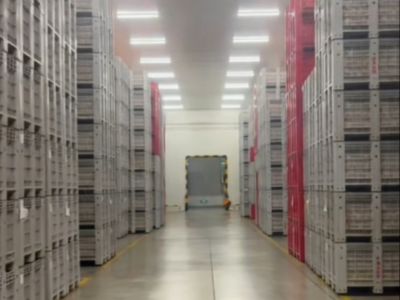
High-Performance Air Coolers for Industrial Use

Let's Discuss Your Needs

Every great collaboration starts with a friendly chat.
We're here to help you figure things out and find the best way forward.
Company Name
Name
Email
WhatsApp
Mobile

air cooler for industrial use

Industrial air coolers are essential for maintaining optimal temperatures in various manufacturing and storage environments. These systems play a critical role in ensuring product quality and operational efficiency, particularly for industries such as food processing, pharmaceuticals, and logistics. When considering an air cooler for industrial use, buyers often have concerns regarding energy efficiency, system compatibility, and long-term reliability. This article aims to provide a comprehensive overview of these systems, focusing on key specifications, quality evaluation, cost factors, installation guidance, and applications across different sectors.
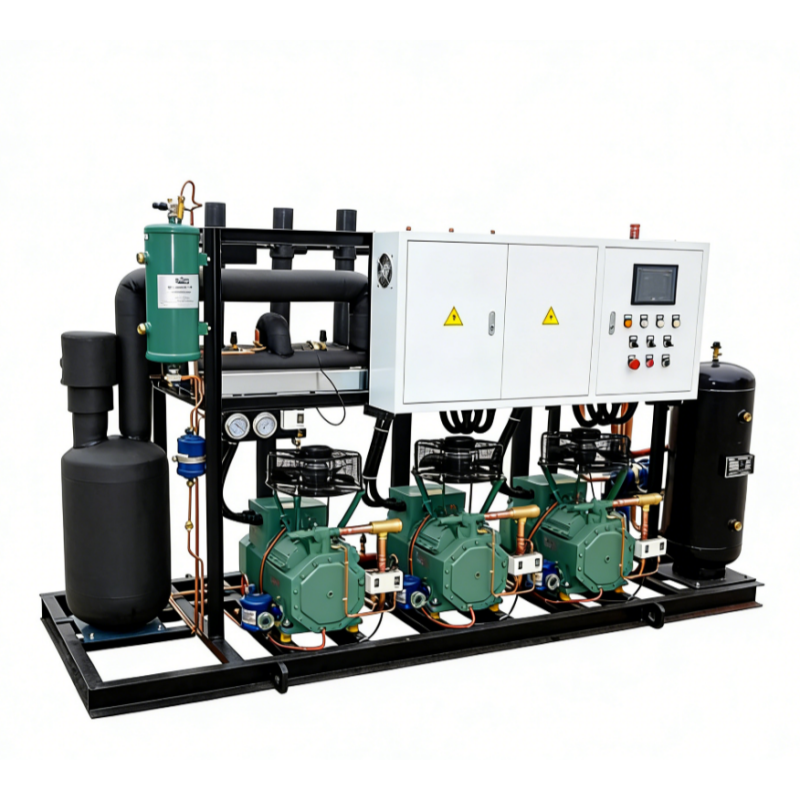
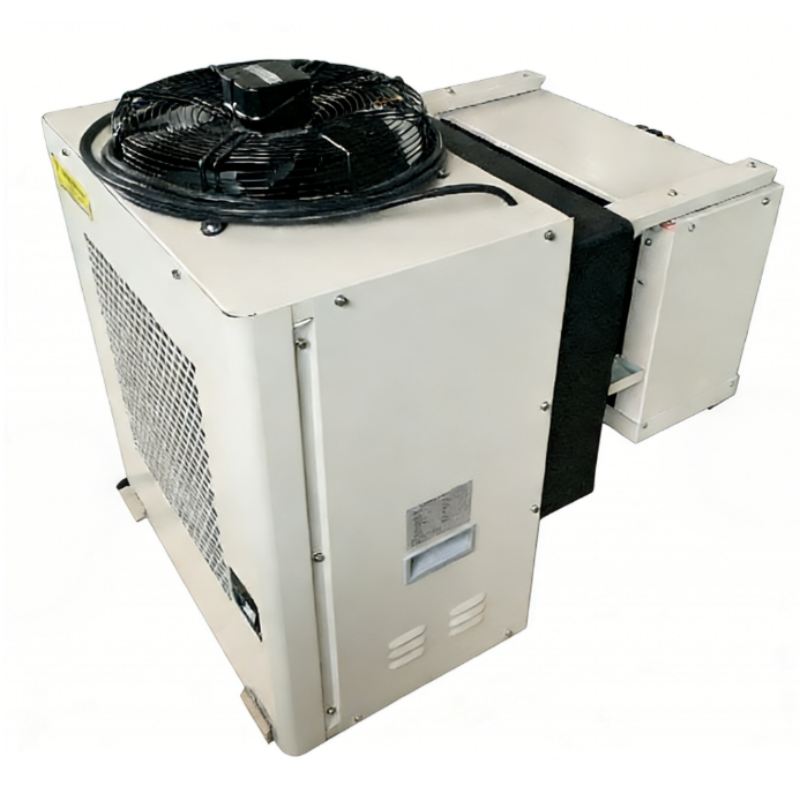
Our Products

How to Evaluate the Quality of Industrial Air Coolers

How to Evaluate the Quality of Industrial Air Coolers

Quality evaluation is critical in selecting an industrial air cooler to ensure reliability and performance over time. Here are several factors to consider:

Certifications and Standards: Check for compliance with industry standards and certifications, such as ISO or CE marking. These certifications indicate that the product has passed rigorous testing and meets specific safety and performance criteria.

Warranty and Support: A robust warranty can reflect the manufacturer's confidence in their product quality. Look for warranties that cover parts and labor, as well as extended support services.

User Reviews and Case Studies: Research user experiences and feedback to gauge the effectiveness and reliability of the cooler in real-world applications. Case studies can provide insights into performance under specific conditions.

Manufacturer Reputation: Established manufacturers, like Shanghai Zhaoxue Refrigeration Co., Ltd., with a proven track record in producing energy-efficient cooling solutions, may provide better assurance of product quality and reliability.

Quality Control Processes: Inquire about the manufacturer's quality control measures during production. A thorough quality assurance process can minimize defects and improve the overall performance of the air cooler.

By focusing on these quality indicators, buyers can mitigate risks associated with poor product performance and ensure they select a reliable air cooler for their industrial applications, potentially including options like Tunnel Freezer for specialized cooling needs.
Cost Factors for Wholesale Industrial Air Cooler Purchasing

Cost Factors for Wholesale Industrial Air Cooler Purchasing

When purchasing air coolers in bulk, understanding the various cost factors is essential for maximizing budget efficiency. Key considerations include:

Initial Purchase Price: This is the upfront cost of the cooler. Buyers should compare prices among different manufacturers while considering the specifications and quality offered.

Energy Costs: The operational energy costs can significantly impact the total cost of ownership. Selecting energy-efficient models can result in lower electricity bills, making it a critical factor in the long-term budget.

Installation Expenses: Installation costs can vary based on the complexity of the system and the need for additional components, such as ducting or electrical work. It's advisable to obtain detailed installation quotes from qualified contractors.

Maintenance and Repair Costs: Regular maintenance is vital for the longevity of air coolers. Understanding the typical maintenance costs, including parts and labor, can help in budgeting over the cooler's lifespan.

Shipping and Logistics: For wholesale purchases, shipping costs can accumulate quickly, especially for large units. Buyers should consider logistics, including delivery times and any customs duties for international shipments.

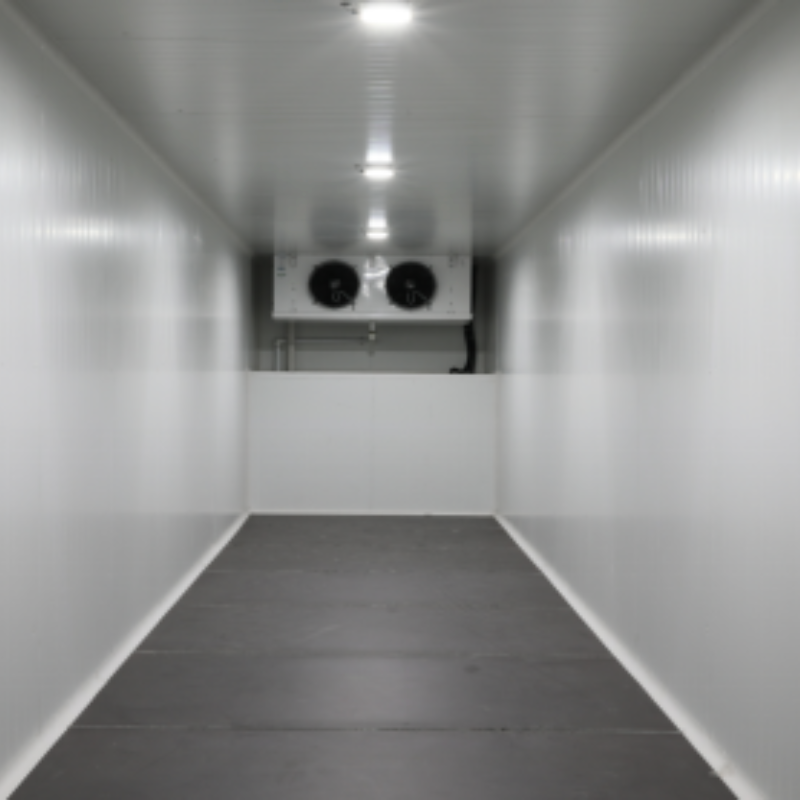
By analyzing these cost factors, purchasing managers can make informed decisions that align with both their budget and operational needs. Furthermore, considering options like Cold Room systems can also be a strategic investment for temperature-sensitive products.

Installation Guidance for Efficient Industrial Air Cooler Systems

Installation Guidance for Efficient Industrial Air Cooler Systems

Proper installation of industrial air coolers is crucial for optimal performance. Here are some guidelines to consider:

Location Selection: Choose a location that allows for optimal airflow and minimizes obstructions. The cooler should be installed in a well-ventilated area to enhance cooling efficiency.

Mounting and Support: Ensure the unit is securely mounted according to the manufacturer’s specifications. Proper support minimizes vibrations and potential damage during operation.

Ducting and Airflow Management: If the cooler requires ducting, ensure it is appropriately sized and configured to maximize airflow. Avoid sharp bends or long runs that can impede efficiency.

Electrical Connections: Follow local electrical codes and manufacturer guidelines when connecting the cooler to power. Engage a qualified electrician to ensure safety and compliance.

Testing and Commissioning: Once installed, conduct a thorough test of the system to verify that it operates as expected. Check for leaks, proper airflow, and overall performance before full-scale operation.

By adhering to these installation guidelines, users can enhance the operational efficiency and lifespan of their industrial air coolers.

Applications of Industrial Air Coolers in Various Industries

Industrial air coolers find applications across a wide array of sectors, each with specific cooling needs:

Food Processing: In the food industry, maintaining specific temperatures is crucial for food safety and quality. Air coolers help regulate temperatures in processing areas and storage facilities, preventing spoilage and ensuring compliance with safety regulations.

Pharmaceuticals: Temperature control is vital in pharmaceutical manufacturing and storage to preserve the integrity of sensitive products. Industrial air coolers provide the precision required to meet stringent regulatory standards.

Logistics and Warehousing: In logistics, air coolers are essential for temperature-sensitive goods during storage and transit. They ensure that products are kept at safe temperatures, reducing the risk of loss due to spoilage.

Manufacturing Facilities: For manufacturing plants, air coolers help maintain comfortable working conditions, which can enhance productivity and worker satisfaction.

Chemical Processing: In chemical plants, maintaining specific temperatures is critical for safety and product quality. Air coolers help manage heat loads generated during chemical reactions.

Understanding these applications allows buyers to identify suitable air cooling solutions tailored to their specific industry needs. By focusing on these key areas, potential buyers of industrial air coolers can make informed decisions that enhance their operational efficiency and product quality, ensuring they select the right solutions for their unique requirements.

Key Specifications for High-Performance Industrial Air Coolers

When evaluating air coolers for industrial use, certain specifications are vital for ensuring that the unit meets operational needs. Key specifications include:

Cooling Capacity: Measured in BTUs or kilowatts, this indicates the amount of heat the air cooler can remove from a space. It is essential to select a cooler with adequate capacity based on the size of the area being cooled and the heat load from equipment and personnel.

Airflow Rate: This is typically expressed in cubic feet per minute (CFM) and refers to the volume of air the cooler can circulate. A higher airflow rate can improve cooling efficiency and comfort.

Energy Efficiency Ratio (EER): This ratio compares the cooling capacity to the energy consumption, providing insight into the operational cost. Higher EER values indicate more efficient units which can lead to significant energy savings over time.

Material Composition: Assessing the materials used in the construction of the cooler is crucial. Robust materials like stainless steel or corrosion-resistant alloys can enhance durability, especially in harsh industrial environments.

Noise Level: For workplaces where noise can be a concern, checking the decibel (dB) rating is important. Selecting quieter models can improve work conditions without compromising cooling efficiency.

Understanding these specifications helps buyers choose the right air cooler that aligns with their operational requirements and budget constraints. Additionally, exploring options such as Self-stacking Spiral Freezers can provide alternative solutions for specific cooling needs.

Frequently Asked Questions

What applications suit this industrial air cooler?

Designed for cold storage, freezers, food processing, pharmaceutical and logistics facilities requiring reliable temperature control and energy efficiency.
Yes. We provide custom-engineered solutions to match specific room sizes, cooling loads, automation and integration needs.
Units use optimized coil design, high-efficiency fans and controls to minimize power use while maintaining precise temperature and defrost cycles.
We offer factory support, installation guidance and on-site commissioning services to ensure correct mounting, piping, controls and performance verification.
Scheduled maintenance, spare parts, remote diagnostics and on-site service contracts are available to maximize uptime and extend equipment life.

Our Blog Posts

10 Fascinating Facts About Cold Room You Never Knew!

12

Oct

10 Fascinating Facts About Cold Room You Never Knew!

The World's Largest "Refrigerator" Can Hold the Entire City of Rome. The global cold storage network is vast beyond imagination. For instance, the total storage capacity of one of North America's largest cold storage operators exceeds 400 million cub...
View More
what is a chiller used for

03

Nov

what is a chiller used for

Industrial chillers are critical components in various sectors, providing precise temperature control for a range of applications. Understanding what a energy-efficient chillers is used for can greatly influence purchasing decisions for business...
View More
what is the standard temperature of chiller

03

Nov

what is the standard temperature of chiller

Understanding the standard temperature of chillers is crucial for multiple industries, including food, pharmaceuticals, and logistics. This article dives into the specifics of what is the standard temperature of a energy-efficient chillers, addressin...
View More
controlled atmosphere storage of fruits and vegetables

03

Nov

controlled atmosphere storage of fruits and vegetables

Controlled atmosphere storage of fruits and vegetables is a critical component in preserving the quality and extending the shelf life of produce. These specialized storage solutions regulate temperature, humidity, and gas composition to slow down rip...
View More

Leave a Message

Email
Name
Company Name
Message
0/1000

Related product categories