Essential Guide to Air Chillers for Industrial Use

Let's Discuss Your Needs

Every great collaboration starts with a friendly chat.
We're here to help you figure things out and find the best way forward.
Company Name
Name
Email
WhatsApp
Mobile

air chiller

Air chillers are essential components in various industrial applications, particularly in the manufacturing, food storage, and pharmaceutical sectors. They provide efficient cooling solutions, ensuring temperature stability for sensitive products. As a B2B buyer, your main concerns likely revolve around the efficiency, reliability, and compatibility of these systems. This article will guide you through critical aspects of air chillers, helping you make informed purchasing decisions.

What Buyers Need to Look For

When evaluating air chillers, buyers should prioritize several key specifications:

Cooling Capacity: Ensure that the chiller can meet the specific cooling requirements of your application. Under-sizing can lead to system overload, while oversizing can waste energy.

Energy Efficiency: Look for units with high Energy Efficiency Ratios (EER) or Coefficients of Performance (COP). These metrics indicate how effectively a chiller converts energy into cooling power.

Refrigerant Type: The choice of refrigerant can affect both efficiency and environmental impact. Opt for chillers that use low-GWP (Global Warming Potential) refrigerants to comply with regulations and minimize environmental impact.

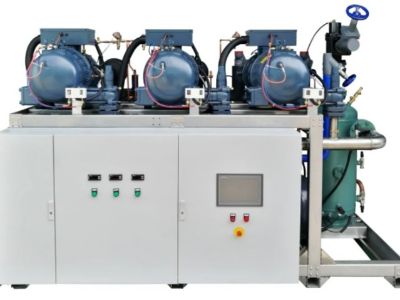
Customization Options: Depending on your operational needs, you may require specific configurations or additional features. Custom-engineered systems can provide tailored solutions that meet unique demands. For instance, REFRIGERATION UNITS can be designed to work seamlessly with various air chillers.

Quality Control Standards: Ensure that the manufacturer adheres to recognized quality standards like ISO 9001. This can provide assurance regarding the reliability and performance of the air chiller.

By understanding these key factors, buyers can better assess the suitability of air chillers for their specific needs.
Where to Find Reliable Suppliers for Air Chillers

Finding a trustworthy supplier is critical for ensuring that you receive a quality air chiller that meets your operational requirements. Start by researching manufacturers with a proven track record in the refrigeration industry. Look for suppliers who specialize in energy-efficient solutions and have experience in your specific application sector, such as food storage or pharmaceuticals.

Industry trade shows and exhibitions can also be valuable resources for discovering potential suppliers. These events provide an opportunity to meet manufacturers face-to-face, allowing you to ask questions and see products firsthand.

Additionally, online platforms and industry directories can help you identify reputable manufacturers. Always check customer reviews and testimonials to gauge the reliability and service quality of potential suppliers. A supplier with a strong reputation for customer support and after-sales services can significantly enhance your purchasing experience.

Understanding Installation Requirements for Air Chillers

Proper installation of air chillers is essential to maximize efficiency and ensure optimal performance. Before installation, it’s crucial to assess the site conditions, including space availability, power supply, and ventilation requirements.

Space Requirements: Ensure that there is adequate space for the chiller unit, allowing for proper airflow and maintenance access. Consider the footprint of the unit and any additional space needed for piping and ductwork.

Electrical Supply: Verify that your facility’s electrical system can support the chiller’s power requirements. This includes ensuring the availability of appropriate voltage and phase configurations.

Cooling Water Supply: For water-cooled chillers, check that there is a reliable source of cooling water. This may involve assessing the quality and temperature of the water supply.

Ventilation: Adequate ventilation is necessary to dissipate heat generated during operation. Ensure that the installation site allows for proper airflow around the unit to prevent overheating.

Compliance with Local Regulations: Ensure that the installation meets all local building codes and environmental regulations. This may include obtaining necessary permits and ensuring compliance with health and safety standards.

Understanding these installation considerations will help in ensuring a smooth deployment of air chillers in your facility.

Common Problems with Air Chillers and Effective Solutions

Air chillers, like any mechanical systems, can encounter issues that may affect their performance. Some common problems include:

Insufficient Cooling: This can result from refrigerant leaks, clogged filters, or improper sizing. Regular maintenance, including checking refrigerant levels and replacing filters, is crucial to prevent this issue.

Increased Energy Consumption: If a chiller is consuming more energy than expected, it may be indicative of a malfunctioning component or a dirty condenser. Regular inspections and cleaning can help maintain efficiency.

Noise Issues: Excessive noise may arise from loose components or improper installation. Conducting routine maintenance and ensuring proper installation can mitigate these problems.

Frost Build-Up: Frost on the evaporator coils can hinder airflow and cooling efficiency. This often occurs due to low refrigerant levels or insufficient airflow. Regular checks and maintenance can help identify and resolve these issues promptly.

Control System Failures: Automated systems may experience control failures, leading to operational disruptions. Having a qualified technician regularly inspect and calibrate the control systems can prevent these issues.

By being proactive in identifying and addressing these common problems, buyers can ensure long-term performance and reliability of their air chillers. Understanding air chillers' specifications, sourcing reliable suppliers, and being aware of installation and maintenance considerations can significantly enhance your purchasing decisions. With the right knowledge, you can select an air chiller that meets your needs and contributes to operational efficiency.

What You Should Know

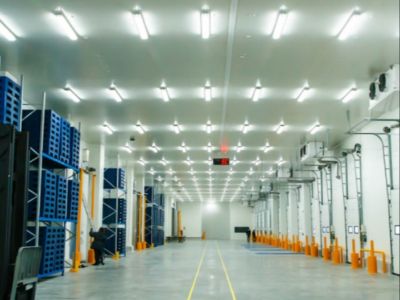
Air chillers are systems designed to remove heat from a fluid via a vapor-compression or absorption refrigeration cycle. They are crucial for maintaining optimal temperatures in environments where temperature control is vital, such as cold storage facilities for food and pharmaceuticals. Cold Room solutions often utilize air chillers to ensure preservation of goods.

When selecting an air chiller, consider factors such as cooling capacity, energy efficiency ratings, and the specific requirements of your application. For instance, air chillers can vary significantly in terms of their operational temperature range and cooling capacity, which is typically measured in tons or kilowatts. Additionally, consider the type of refrigerant used, as this can impact both performance and environmental compliance.

Furthermore, the integration of automation in air chillers has become increasingly common, allowing for better monitoring and control. This feature can help reduce operational costs and improve efficiency, which is a significant concern for purchasing managers.

Frequently Asked Questions

What is an air chiller and how does it work?

An air chiller cools air for cold storage by circulating refrigerant through coils and fans. It removes heat from the storage space to maintain set temperatures efficiently for food, pharma, and logistics applications.
Yes. We provide custom-engineered air chillers tailored to your space, temperature range, capacity, and automation needs for cold rooms, freezers, or integrated systems.
Our chillers use advanced compressors, optimized heat exchangers, and intelligent controls to minimize energy use and maintain stable temperatures for cost-effective operation.
Yes. We supply professional installation, commissioning, training, and global after-sales support including maintenance plans, spare parts, and remote monitoring options.
Absolutely. We design air chillers to meet strict temperature stability and hygiene requirements for pharmaceuticals, with precise control and documentation options for regulatory compliance.

Our Blog Posts

how to set temperature in chiller

03

Nov

how to set temperature in chiller

Setting the correct temperature in a chiller is crucial for maintaining the quality and safety of sensitive products, especially in industries like food, pharmaceuticals, and logistics. This article will address key considerations for B2B buyers, inc...
View More
how to clean condensing unit

03

Nov

how to clean condensing unit

Cleaning a condensing unit is essential for maintaining the efficiency and longevity of refrigeration systems, particularly in industries like food processing, pharmaceuticals, and logistics. Proper cleaning helps prevent malfunctions, reduces energy...
View More
what are the methods of food preservation

03

Nov

what are the methods of food preservation

Food preservation is a critical process for maintaining the quality and safety of perishable items, especially in the food industry. Understanding what are the methods of food preservation can help businesses minimize waste, ensure product integrity,...
View More
what are the advantages of food preservation

03

Nov

what are the advantages of food preservation

Food preservation is a critical process that extends the shelf life of perishable goods such as fruits, vegetables, meats, and dairy products. Understanding the advantages of food preservation can greatly benefit businesses in the food industry, incl...
View More

Leave a Message

Email
Name
Company Name
Message
0/1000

Related product categories