EN

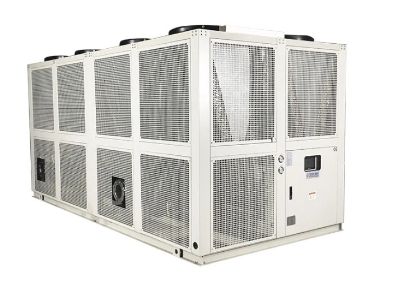
Air cooled chillers are essential components in various industrial applications, providing efficient cooling solutions for processes ranging from food preservation to pharmaceutical manufacturing. As a B2B buyer, understanding the specific requirements and features of air cooled chillers is critical for making informed purchasing decisions. This article aims to guide purchasing managers, engineers, and distributors through the considerations they should keep in mind when evaluating air cooled chillers, including specifications, benefits, quality evaluation, and cost factors.
Key Specifications to Consider When Sourcing Air Cooled Chillers
When sourcing air cooled chillers, several key specifications should be evaluated:
Cooling Capacity: Ensure that the chiller can handle the maximum expected load.Energy Efficiency: Look for models with high Energy Efficiency Ratios (EER) or Seasonal Energy Efficiency Ratios (SEER) to minimize operational costs. An energy-efficient chiller can lead to significant savings over time, particularly in large-scale operations.Refrigerant Type: The choice of refrigerant can impact the chiller's efficiency and environmental compliance. Common refrigerants include R-410A and R-134A, each with different performance characteristics.Noise Levels: Depending on the installation site, noise levels may be a concern. Manufacturers should provide specifications regarding the sound pressure levels of their chillers.Construction Materials: Assess the materials used in the chiller's construction, especially for components like coils and casings. High-quality materials can enhance durability and resistance to corrosion, particularly in harsh environments.Understanding these specifications will help ensure that the air cooled chiller not only meets performance requirements but also aligns with your organization's sustainability goals.