EN

Air chillers are essential components in various industrial applications, particularly in the manufacturing, food storage, and pharmaceutical sectors. They provide efficient cooling solutions, ensuring temperature stability for sensitive products. As a B2B buyer, your main concerns likely revolve around the efficiency, reliability, and compatibility of these systems. This article will guide you through critical aspects of air chillers, helping you make informed purchasing decisions.
What Buyers Need to Look For
When evaluating air chillers, buyers should prioritize several key specifications:
Cooling Capacity: Ensure that the chiller can meet the specific cooling requirements of your application. Under-sizing can lead to system overload, while oversizing can waste energy.
Energy Efficiency: Look for units with high Energy Efficiency Ratios (EER) or Coefficients of Performance (COP). These metrics indicate how effectively a chiller converts energy into cooling power.
Refrigerant Type: The choice of refrigerant can affect both efficiency and environmental impact. Opt for chillers that use low-GWP (Global Warming Potential) refrigerants to comply with regulations and minimize environmental impact.
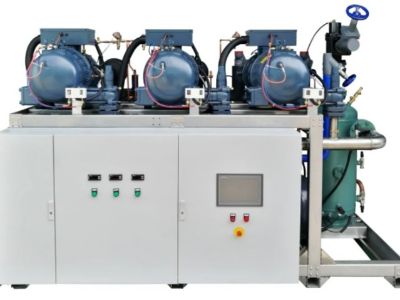
Customization Options: Depending on your operational needs, you may require specific configurations or additional features. Custom-engineered systems can provide tailored solutions that meet unique demands. For instance, REFRIGERATION UNITS can be designed to work seamlessly with various air chillers.
Quality Control Standards: Ensure that the manufacturer adheres to recognized quality standards like ISO 9001. This can provide assurance regarding the reliability and performance of the air chiller.
By understanding these key factors, buyers can better assess the suitability of air chillers for their specific needs.