EN

Cooler storage containers are essential for preserving the quality and safety of temperature-sensitive products in various industries, including food, pharmaceuticals, and logistics. B2B buyers often face concerns about selecting the right containers to meet specific operational requirements, ensuring compliance with safety standards, and optimizing cost-efficiency. This article will guide you through the key considerations for choosing cooler storage containers, highlighting their features and benefits, best practices, and applications in the food and pharma sectors.
Features and Benefits
Cooler storage containers come with various features designed to enhance performance and usability. One of the primary advantages is energy efficiency. Well-insulated containers minimize energy loss, reducing operational costs while maintaining stable internal temperatures.
Another important feature is versatility. Many cooler storage containers can be adapted for different applications, whether for transporting perishable goods or storing pharmaceuticals. Some models are designed for stackability or portability, enhancing their utility across various settings.
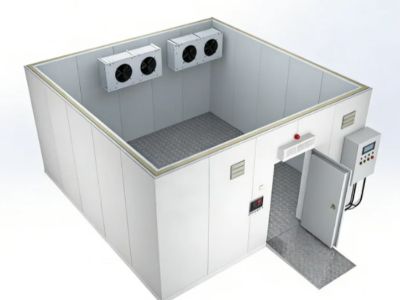
Safety features, such as temperature monitoring systems, can provide real-time data on internal conditions, allowing for proactive management of storage environments. This is particularly valuable in industries where product integrity is paramount, such as food and pharmaceuticals. Utilizing Cold Room technology can further enhance safety and efficiency.
Additionally, easy-to-clean surfaces and modular designs can simplify maintenance and allow for better hygiene, which is crucial in food handling and medical applications.