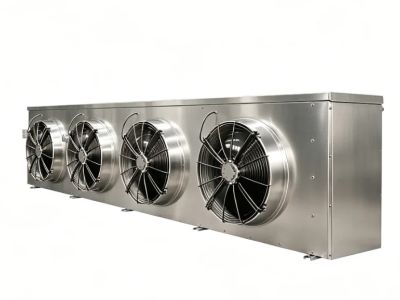
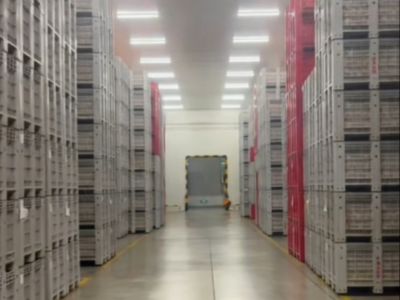
Choosing Cooler Storage Containers for Food & Pharma

Let's Discuss Your Needs

Every great collaboration starts with a friendly chat.
We're here to help you figure things out and find the best way forward.
Company Name
Name
Email
WhatsApp
Mobile

cooler storage containers

Cooler storage containers are essential for preserving the quality and safety of temperature-sensitive products in various industries, including food, pharmaceuticals, and logistics. B2B buyers often face concerns about selecting the right containers to meet specific operational requirements, ensuring compliance with safety standards, and optimizing cost-efficiency. This article will guide you through the key considerations for choosing cooler storage containers, highlighting their features and benefits, best practices, and applications in the food and pharma sectors.

Features and Benefits

Cooler storage containers come with various features designed to enhance performance and usability. One of the primary advantages is energy efficiency. Well-insulated containers minimize energy loss, reducing operational costs while maintaining stable internal temperatures.

Another important feature is versatility. Many cooler storage containers can be adapted for different applications, whether for transporting perishable goods or storing pharmaceuticals. Some models are designed for stackability or portability, enhancing their utility across various settings.

Safety features, such as temperature monitoring systems, can provide real-time data on internal conditions, allowing for proactive management of storage environments. This is particularly valuable in industries where product integrity is paramount, such as food and pharmaceuticals. Utilizing Cold Room technology can further enhance safety and efficiency.

Additionally, easy-to-clean surfaces and modular designs can simplify maintenance and allow for better hygiene, which is crucial in food handling and medical applications.
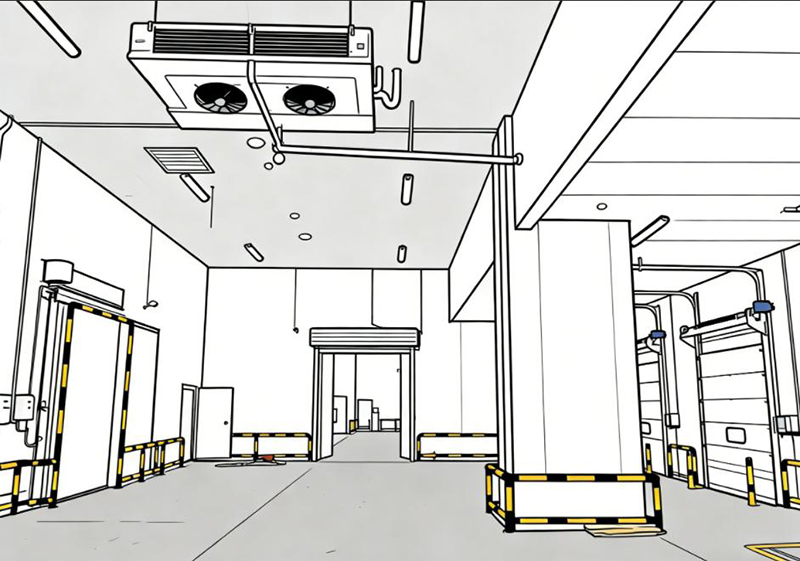
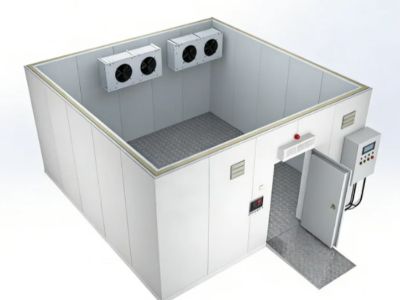
Best Practices

When utilizing cooler storage containers, adhering to best practices can significantly impact performance and product quality. First, ensure proper loading techniques. Distributing weight evenly and avoiding overcrowding will help maintain optimal airflow around the contents, enhancing cooling efficiency.

Regular maintenance checks are vital. Inspect seals and insulation regularly for wear and tear, and clean containers thoroughly after each use to prevent contamination. Establish a routine schedule for these checks to ensure that equipment remains in peak condition.

Implementing a temperature monitoring system can also be beneficial. Keeping track of internal conditions helps ensure that products remain within safe temperature ranges, reducing the risk of spoilage or degradation.

Lastly, train your staff on proper handling and operational procedures. Understanding how to effectively use and maintain cooler storage containers will not only prolong their lifespan but also safeguard the quality of the stored products.

Applications of Cooler Storage Containers in Food and Pharma Industries

In the food industry, cooler storage containers are critical for maintaining the freshness and safety of perishable items. These containers are used in transportation and storage of products such as meat, dairy, and produce. For example, refrigerated containers equipped with temperature control systems can keep meat products at safe temperatures during transit, ensuring compliance with health regulations.

In the pharmaceutical sector, cooler storage containers play a vital role in preserving the efficacy of temperature-sensitive medications and vaccines. These containers can be designed to maintain strict temperature controls, which is essential for products that must remain within a narrow temperature range. For instance, many vaccines require storage at specific temperatures to remain effective; thus, investing in reliable cooler storage solutions, like ICE MACHINE, is crucial for healthcare providers.

Moreover, the logistics industry relies on these containers to facilitate the safe transport of both food and pharmaceuticals. Efficient cooler storage ensures that products are delivered in optimal condition, thus enhancing customer satisfaction and compliance with regulatory requirements.

Common Problems with Cooler Storage Containers and Their Solutions

Despite their effectiveness, cooler storage containers can present challenges if not properly managed. One common issue is temperature fluctuation, which can compromise stored goods. To mitigate this risk, ensure that containers are regularly monitored and that temperature logs are maintained. If fluctuations are detected, investigate potential causes, such as poor seals or malfunctioning insulation.

Another frequent problem is condensation, which can lead to moisture buildup and affect product quality. To address this, use containers designed with moisture control features and ensure they are kept in environments with appropriate humidity levels.

Additionally, improper cleaning can lead to contamination risks. Establish a cleaning protocol that includes the use of appropriate sanitizing agents and techniques. Regular inspections of containers should be performed to identify any signs of contamination or degradation.

Finally, buyers should be aware of the importance of proper training for staff handling these containers. Lack of training can lead to mishandling and increased wear on equipment. Providing thorough training can prevent these operational issues and enhance overall efficiency.

By understanding the key factors involved in choosing, using, and maintaining cooler storage containers, B2B buyers in various industries can make informed decisions that align with their specific needs, ensuring optimal performance and product integrity.

How to Choose the Right Cooler Storage Containers for Your Needs

Selecting the appropriate cooler storage containers involves several critical factors. Firstly, consider the temperature range required for your products. Different materials and insulation types can affect thermal performance, so understanding the specific temperature requirements is essential.

Next, evaluate the size and capacity of the containers. Ensure that the dimensions fit your available storage space and that the container's capacity aligns with your inventory needs. Remember that overloading a container can compromise its cooling efficiency.

Durability is another key consideration. Look for containers made from high-quality materials that can withstand the rigors of transportation and storage, especially if they will be exposed to harsh environmental conditions. Additionally, check for features such as sealing mechanisms, which can help maintain internal temperatures and protect contents from contamination.

Lastly, inquire about customization options. Depending on your operational needs, you may require specific sizes, insulation types, or even automated features. Collaborating with a manufacturer that offers tailored solutions, such as REFRIGERATION UNITS, can enhance efficiency and performance.

Frequently Asked Questions

What types of cooler storage containers do you offer?

We supply custom-engineered cooler storage containers including cold rooms, freezers, and modular units, designed for food, pharmaceutical and logistics applications with automated controls.
Yes. We design containers to meet specific temperature ranges, humidity control, and zoning requirements for preservation of different products.
Yes. Our systems use energy-efficient insulation, refrigeration cycles and controls to reduce operating costs and environmental impact.
We offer automated control systems with remote monitoring, alarms, data logging, and integration with facility management for precise temperature and performance tracking.
Yes. We supply global delivery, site assessment, installation, commissioning and after-sales service to ensure reliable operation and compliance.

Our Blog Posts

10 Fascinating Facts About Cold Room You Never Knew!

12

Oct

10 Fascinating Facts About Cold Room You Never Knew!

The World's Largest "Refrigerator" Can Hold the Entire City of Rome. The global cold storage network is vast beyond imagination. For instance, the total storage capacity of one of North America's largest cold storage operators exceeds 400 million cub...
View More
what is the purpose of a cold room

03

Nov

what is the purpose of a cold room

The purpose of a cold room is essential for various industries, primarily focusing on the preservation and storage of temperature-sensitive products. This article delves into the role of cold rooms, specifically in the food industry, and provides ins...
View More
what does evaporator coil do

03

Nov

what does evaporator coil do

Understanding what an evaporator coil does is essential for anyone involved in the purchasing or maintenance of refrigeration systems. These coils play a crucial role in cooling processes by absorbing heat from the environment, making them indispensa...
View More
controlled atmosphere storage of fruits and vegetables

03

Nov

controlled atmosphere storage of fruits and vegetables

Controlled atmosphere storage of fruits and vegetables is a critical component in preserving the quality and extending the shelf life of produce. These specialized storage solutions regulate temperature, humidity, and gas composition to slow down rip...
View More

Leave a Message

Email
Name
Company Name
Message
0/1000

Related product categories