Insulated Doors for Cold Rooms: Key Considerations

Let's Discuss Your Needs

Every great collaboration starts with a friendly chat.
We're here to help you figure things out and find the best way forward.
Company Name
Name
Email
WhatsApp
Mobile

insulated doors for cold rooms

Insulated doors for cold rooms are essential components in maintaining the required temperature and ensuring energy efficiency in various storage applications. As a B2B buyer, understanding the specifications and installation requirements of these doors is crucial for making informed purchasing decisions. This article will guide you through key considerations when purchasing insulated doors, including material selection, installation guidance, budgeting, and bulk ordering. For optimal temperature control, consider integrating Cold Room solutions.

What to Look for in Cold Room Insulated Doors

When evaluating insulated doors for cold rooms, focus on several key specifications:

Material Composition: The choice of insulation material affects the door's thermal efficiency. Polyurethane offers superior insulation performance and is often preferred for extreme cold environments, while polystyrene may suffice for less demanding applications.

Thickness: The thickness of the insulation layer directly influences the door's R-value. Standard thicknesses range from 2 to 6 inches, depending on the required thermal performance.

Sealing Properties: Proper sealing is vital for preventing air leaks. Look for doors with robust weather stripping and gaskets that ensure a tight fit when closed.

Durability and Maintenance: Assess the door's surface and frame materials for resistance to corrosion, impact, and wear. Stainless steel or fiberglass coatings can enhance durability, especially in high-traffic areas.

Compliance Standards: Ensure that the doors meet applicable industry standards for performance and safety, particularly when used in food and pharmaceutical applications.
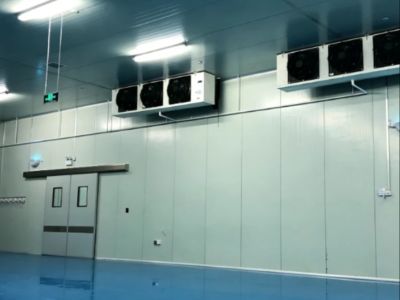
Installation Guidance for Insulated Doors in Cold Storage Facilities

Installing insulated doors in cold storage facilities requires careful planning and execution to ensure optimal performance. Here are some key steps to follow:

Site Preparation: Before installation, assess the installation site to ensure it meets the necessary requirements for dimensions and environmental conditions. Ensure that the door frame is level and free from obstructions.

Correct Positioning: When positioning the door, ensure that it is aligned correctly with the opening to prevent gaps that could compromise insulation efficiency. Use shims as needed to maintain proper alignment.

Sealing and Insulation: After installation, pay close attention to sealing around the edges. Use high-quality caulking or foam insulation to fill any gaps. This step is crucial in maintaining the door's insulating properties.

Testing Functionality: Once installed, test the door's functionality by checking for smooth operation and proper sealing when closed. Address any issues immediately to prevent future problems.

Regular Maintenance: Establish a maintenance schedule to inspect seals, check for wear, and ensure that moving parts function smoothly. Regular maintenance can prolong the life of the door and optimize energy efficiency.

Budgeting for Insulated Doors in Cold Room Projects

Budgeting for insulated doors involves several considerations beyond the initial purchase price. Here are key factors to keep in mind:

Material Costs: Higher-quality materials typically come with increased costs but can result in better performance and lower energy bills over time. Consider the long-term savings associated with energy-efficient doors.

Installation Expenses: Factor in the costs associated with professional installation, which can vary based on the complexity of the project and local labor rates. DIY installations may save on costs but require expertise.

Operating Costs: Evaluate the expected energy consumption and maintenance costs associated with the doors. Investing in higher R-value doors may lead to significant savings in operational expenses.

Contingency Funds: Set aside a budget for unexpected expenses that may arise during installation or maintenance. This can help mitigate financial strain if unexpected repairs or adjustments are needed.

Bulk Order Discounts: If your project involves purchasing multiple doors, inquire about bulk order discounts. Many manufacturers, including Shanghai Zhaoxue Refrigeration Co., Ltd., offer pricing incentives for larger orders, which can significantly reduce total costs. Additionally, consider the benefits of integrating REFRIGERATION UNITS for enhanced efficiency.

How to Bulk Order Insulated Doors for Your Cold Storage Needs

When you decide to bulk order insulated doors for cold storage, follow these steps to streamline the process:

Define Specifications: Clearly outline the specifications for each type of door required, including dimensions, material, insulation thickness, and design features. This clarity prevents miscommunication and ensures that the doors meet your needs.

Supplier Research: Identify reliable suppliers with a proven track record in manufacturing insulated doors. Look for companies that specialize in cold storage solutions and can provide references or case studies.

Request Quotes: Once you have identified potential suppliers, request detailed quotes that include pricing, lead times, and terms of service. Ensure that you provide all necessary specifications to obtain accurate quotes.

Evaluate Proposals: Compare proposals not only based on price but also on quality, warranty, and customer service. A slightly higher price may be justified by better service or product quality.

Finalize Order and Logistics: After selecting a supplier, finalize your order and discuss shipping logistics. Confirm lead times, delivery schedules, and any necessary documentation for shipping and receiving.

By following these guidelines, you can ensure a smooth purchasing process for insulated doors tailored to your cold storage needs, optimizing both functionality and cost efficiency.

Key Buyer Considerations

When choosing insulated doors for cold rooms, several factors should be taken into account. First, consider the thermal performance of the door, which is typically measured by its R-value. A higher R-value indicates better insulation, which translates to energy efficiency and lower operational costs. Additionally, evaluate the door's construction materials. Common materials include polyurethane and polystyrene, each offering different thermal properties and mechanical strengths suitable for various applications.

Another critical factor is compatibility with your cold storage environment. Insulated doors should meet specific requirements related to temperature ranges, humidity levels, and potential exposure to chemicals, especially in industries like food and pharmaceuticals. Assessing these needs upfront can help prevent issues related to improper sealing or insulation failure down the line. For specialized needs, options like Controlled Atmosphere Storage may be beneficial.

Finally, pay attention to the door's design and features, such as automatic opening systems, safety mechanisms, and durability under frequent use. These elements can significantly impact both the functionality and longevity of the doors.

Frequently Asked Questions

What types of insulated doors do you offer for cold rooms?

We supply hinged, sliding, and rapid-access insulated doors designed for walk-in cold rooms, freezers, and blast chillers with various sizes and thermal ratings to suit food, pharma, and logistics facilities.
Yes. We custom-engineer door dimensions, insulation thickness, finishes, hardware, and automation to integrate with your cold storage layout and operational requirements.
Our doors use high-performance insulation, airtight seals, and tight-fitting frames to reduce thermal bridging and air leakage, lowering refrigeration load and operating costs.
We offer automated openers, rapid-reclose systems, heated frames, pneumatic seals, and sensor controls to optimize throughput and maintain temperature integrity.
We provide full project support including design consultation, factory fabrication, professional installation, commissioning, and global after-sales service and spare parts.

Our Blog Posts

how to set cold room temperature

03

Nov

how to set cold room temperature

Setting the right cold room temperature is crucial for industries that rely on precise temperature control to maintain the quality and safety of their products. Whether you are in the food, pharmaceutical, or logistics sector, understanding how to se...
View More
what is the standard temperature of chiller

03

Nov

what is the standard temperature of chiller

Understanding the standard temperature of chillers is crucial for multiple industries, including food, pharmaceuticals, and logistics. This article dives into the specifics of what is the standard temperature of a energy-efficient chillers, addressin...
View More
how to set temperature in chiller

03

Nov

how to set temperature in chiller

Setting the correct temperature in a chiller is crucial for maintaining the quality and safety of sensitive products, especially in industries like food, pharmaceuticals, and logistics. This article will address key considerations for B2B buyers, inc...
View More
what does evaporator coil do

03

Nov

what does evaporator coil do

Understanding what an evaporator coil does is essential for anyone involved in the purchasing or maintenance of refrigeration systems. These coils play a crucial role in cooling processes by absorbing heat from the environment, making them indispensa...
View More

Leave a Message

Email
Name
Company Name
Message
0/1000

Related product categories