EN

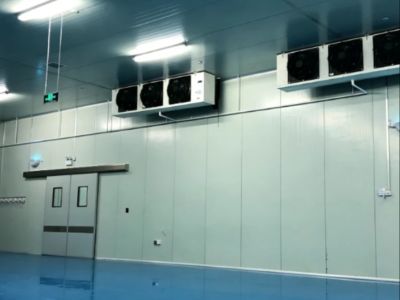
Insulated doors for cold rooms are essential components in maintaining the required temperature and ensuring energy efficiency in various storage applications. As a B2B buyer, understanding the specifications and installation requirements of these doors is crucial for making informed purchasing decisions. This article will guide you through key considerations when purchasing insulated doors, including material selection, installation guidance, budgeting, and bulk ordering. For optimal temperature control, consider integrating Cold Room solutions.
What to Look for in Cold Room Insulated Doors
When evaluating insulated doors for cold rooms, focus on several key specifications:
Material Composition: The choice of insulation material affects the door's thermal efficiency. Polyurethane offers superior insulation performance and is often preferred for extreme cold environments, while polystyrene may suffice for less demanding applications.
Thickness: The thickness of the insulation layer directly influences the door's R-value. Standard thicknesses range from 2 to 6 inches, depending on the required thermal performance.
Sealing Properties: Proper sealing is vital for preventing air leaks. Look for doors with robust weather stripping and gaskets that ensure a tight fit when closed.
Durability and Maintenance: Assess the door's surface and frame materials for resistance to corrosion, impact, and wear. Stainless steel or fiberglass coatings can enhance durability, especially in high-traffic areas.
Compliance Standards: Ensure that the doors meet applicable industry standards for performance and safety, particularly when used in food and pharmaceutical applications.