Key Specifications for Sourcing Air Evaporators

Let's Discuss Your Needs

Every great collaboration starts with a friendly chat.
We're here to help you figure things out and find the best way forward.
Company Name
Name
Email
WhatsApp
Mobile

air evaporator

Air evaporators are essential components in refrigeration systems used across various industries, including food storage, pharmaceuticals, and logistics. These devices facilitate the efficient transfer of heat, ensuring that products are stored at the right temperatures to maintain their quality and safety. For B2B buyers, understanding the specifications, quality evaluation methods, and applications of air evaporators is crucial for making informed purchasing decisions. This article will explore key specifications, quality evaluation, sourcing options, applications, and comparisons of different types of air evaporators, helping you navigate your purchasing process effectively.

Air Evaporators for Bulk Orders

Quality evaluation of air evaporators is a crucial step that can prevent future operational issues. Here are some practical steps to ensure the product's quality before making a purchase:

Sample Inspection: Request samples before ordering in bulk. Evaluate the physical construction, check for any signs of corrosion, and assess the quality of welds and joints.

Testing Performance: If possible, test the evaporator under actual working conditions to determine its performance metrics, such as cooling efficiency and noise levels.

Certification Verification: Ensure that the manufacturer adheres to industry standards and certifications. This could include ISO certifications or compliance with relevant health and safety regulations, particularly for food storage applications.

Warranty and Support: Evaluate the warranty offered by the manufacturer. A good warranty indicates the manufacturer's confidence in their product's durability. Additionally, consider the availability of technical support and spare parts.

Customer Reviews: Research feedback from other buyers who have used the evaporators in similar applications. This can provide insights into performance, reliability, and any common issues encountered.

By following these steps, wholesale buyers can mitigate risks associated with poor quality and ensure that the air evaporators selected will meet their operational needs.
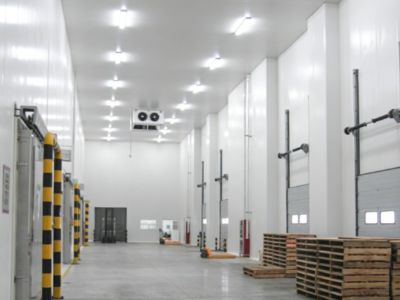
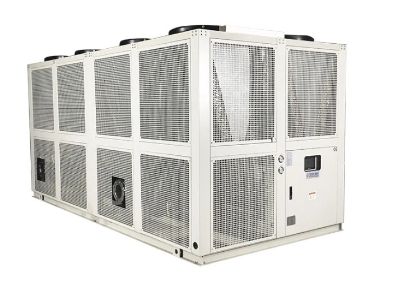
Common Installation Challenges with Air Evaporators and Solutions

Sourcing reliable air evaporators requires careful consideration of potential suppliers. Here are some strategies to find trustworthy manufacturers:

Industry Directories: Utilize industry-specific directories and trade associations that list reputable manufacturers and suppliers. This can help you identify established companies, such as Shanghai Zhaoxue Refrigeration Co., Ltd., known for their energy-efficient refrigeration solutions.

Trade Shows and Expos: Attending industry trade shows is an excellent way to meet manufacturers face-to-face and evaluate their products. You can also gather information about the latest technologies and innovations in air evaporators.

Online Marketplaces: Platforms like Alibaba or ThomasNet can connect you with manufacturers, but due diligence is essential. Look for suppliers with verified ratings and reviews.

Referrals and Recommendations: Seek recommendations from industry colleagues or partners who have experience with specific manufacturers. Personal referrals can often lead to reliable sources.

Requesting Quotes: Once you've identified potential suppliers, request detailed quotations. Include your specific requirements such as capacity, size, and any customization needs. A responsive supplier who provides thorough information can be a good indicator of reliability.

By leveraging these sourcing strategies, buyers can find trustworthy manufacturers for bulk orders of air evaporators.

Application Scenarios for Air Evaporators in Various Industries

Air evaporators are integral to maintaining product integrity across various applications, particularly in the food and pharmaceutical industries.

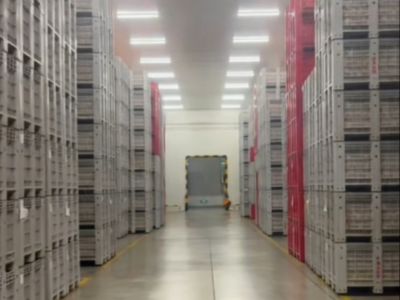
Food Storage: In the food industry, air evaporators are essential in cold storage facilities, ensuring that perishable items like meat, dairy, and produce are kept at safe temperatures. The efficiency of these systems helps prevent spoilage and waste, directly impacting profitability.

Pharmaceutical Storage: The pharmaceutical industry relies heavily on precise temperature control to maintain the efficacy of medications and vaccines. Air evaporators help create stable environments in storage facilities, minimizing the risk of temperature fluctuations that could compromise product safety.

Logistics and Distribution: In logistics, air evaporators play a crucial role in refrigerated trucks and containers, ensuring that temperature-sensitive products are transported safely. This is particularly vital during long-haul shipments where consistent cooling is required.

Ice Production: Ice machines, which often utilize air evaporators, are crucial in various markets, including hospitality and food service. They provide necessary cooling and preservation functions, demonstrating the versatility of air evaporators in different applications.

Understanding these applications can help buyers identify the right air evaporator solutions tailored to their operational needs.

Features and Benefits for Distributors

Selecting the right type of air evaporator can significantly affect the efficiency and effectiveness of your refrigeration system. Here are some common types and considerations for each:

Forced Air Evaporators: These are equipped with fans to enhance airflow, making them ideal for larger spaces where rapid cooling is required. They are commonly used in commercial refrigeration systems.

Natural Convection Evaporators: These rely on natural airflow and are generally quieter. They are suitable for smaller applications where noise reduction is essential, such as in residential settings or small food storage rooms.

Low-Temperature Evaporators: Designed for environments that require extremely low temperatures, such as blast freezers, these evaporators often feature specialized designs to handle the higher pressures and colder conditions.

High-Efficiency Evaporators: These models are designed for energy efficiency, utilizing advanced technology to minimize energy consumption while maintaining optimal cooling performance. They are particularly suited for businesses looking to reduce operational costs.

Custom-Built Evaporators: Some manufacturers offer custom solutions tailored to specific applications. This can be crucial for businesses with unique requirements regarding size, cooling capacity, or environmental considerations.

When comparing different types of air evaporators, consider factors such as installation space, energy efficiency, noise levels, and specific cooling needs to ensure you select the best option for your operations.

By understanding these characteristics, B2B buyers can make informed decisions when purchasing air evaporators, ensuring they meet their operational requirements effectively.

Key Specifications to Consider When Sourcing Air Evaporators

When it comes to selecting air evaporators, several key specifications should be considered to ensure optimal performance for your specific application.

Cooling Capacity: Measured in BTUs (British Thermal Units), this indicates how much heat the evaporator can remove from the environment. The required capacity will differ based on the size of the cold storage room and the type of products being stored.

Material Construction: Common materials include galvanized steel, stainless steel, and aluminum. Each material has its advantages—stainless steel offers superior corrosion resistance, while galvanized steel is often more cost-effective.

Airflow Rate: This is typically measured in cubic feet per minute (CFM) and affects how quickly air circulates throughout the refrigerated space. The airflow rate should be matched to the cooling load of the application to ensure efficiency.

Dimensions: The size and layout of the evaporator must fit the intended installation space. Proper sizing is critical to maintain adequate airflow and cooling performance.

Defrosting Method: Options include electric, hot gas, and natural defrosting methods. The choice depends on operational costs, the type of product stored, and the expected ambient conditions.

Understanding these specifications will help buyers determine the most suitable air evaporators for their needs, ensuring efficient operation and product safety.

Frequently Asked Questions

What is an air evaporator and its purpose?

An air evaporator transfers heat from air to refrigerant to cool storage spaces. It enables consistent temperatures in cold rooms, freezers, and processing areas.
Yes. We custom-engineer evaporators to match capacity, footprint, defrost method, and automation needs for food, pharma, and logistics.
Regular cleaning of coils and condensate drains, inspection of fans and motors, and scheduled refrigerant checks maintain efficiency and longevity.
Our evaporators use optimized coil design, efficient fans, and control integration to reduce energy consumption and lower operating costs.
Yes. They integrate with PLCs and building management for temperature control, alarms, data logging, and remote monitoring.

Our Blog Posts

what is a chiller used for

03

Nov

what is a chiller used for

Industrial chillers are critical components in various sectors, providing precise temperature control for a range of applications. Understanding what a energy-efficient chillers is used for can greatly influence purchasing decisions for business...
View More
what is the standard temperature of chiller

03

Nov

what is the standard temperature of chiller

Understanding the standard temperature of chillers is crucial for multiple industries, including food, pharmaceuticals, and logistics. This article dives into the specifics of what is the standard temperature of a energy-efficient chillers, addressin...
View More
controlled atmosphere storage of fruits and vegetables

03

Nov

controlled atmosphere storage of fruits and vegetables

Controlled atmosphere storage of fruits and vegetables is a critical component in preserving the quality and extending the shelf life of produce. These specialized storage solutions regulate temperature, humidity, and gas composition to slow down rip...
View More
what are the methods of food preservation

03

Nov

what are the methods of food preservation

Food preservation is a critical process for maintaining the quality and safety of perishable items, especially in the food industry. Understanding what are the methods of food preservation can help businesses minimize waste, ensure product integrity,...
View More

Leave a Message

Email
Name
Company Name
Message
0/1000

Related product categories