Insulated Cold Room Doors: A Comprehensive Guide

Let's Discuss Your Needs

Every great collaboration starts with a friendly chat.
We're here to help you figure things out and find the best way forward.
Company Name
Name
Email
WhatsApp
Mobile

insulated cold room doors

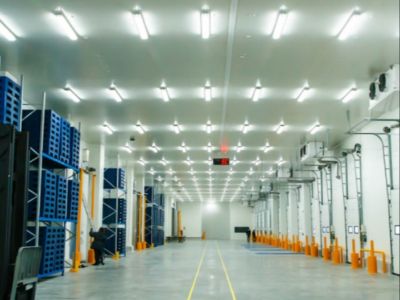
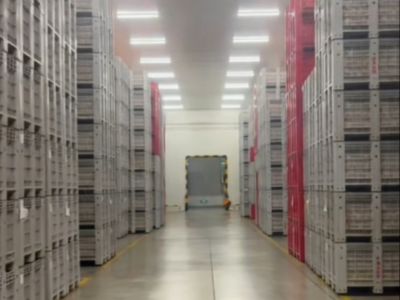
Insulated cold room doors are essential components in cold storage facilities, providing temperature control and energy efficiency. For B2B buyers, particularly those in food, pharmaceutical, or logistics sectors, concerns often revolve around product specifications, installation, sourcing, and maintenance. This article will guide purchasing managers and engineers through key considerations when selecting insulated cold room doors, helping them make informed purchasing decisions.

Wholesale Sourcing Options for Insulated Cold Room Doors

Wholesale sourcing for insulated cold room doors can provide significant cost savings, especially for larger projects. Buyers should consider several sourcing options, including direct manufacturers, distributors, and online marketplaces.

Direct Manufacturers: Engaging directly with manufacturers like Shanghai Zhaoxue Refrigeration Co., Ltd. can offer customization options that fit your specific needs. Manufacturers can often provide better pricing and quality control since they oversee production processes. For instance, they may provide various options such as Cold Room doors tailored to specific requirements.

Distributors: Local distributors might have a range of products readily available for immediate delivery. They can also provide valuable insights into local regulations and standards. However, it’s important to evaluate their reliability and product quality before placing large orders.

Online Marketplaces: While online platforms can offer competitive pricing, buyers should ensure that the suppliers are reputable. Look for reviews and testimonials, and confirm that the products meet necessary industry standards.

When sourcing, always request product samples to evaluate quality and suitability before finalizing large orders.
Installation Tips for Insulated Cold Room Doors in Commercial Spaces

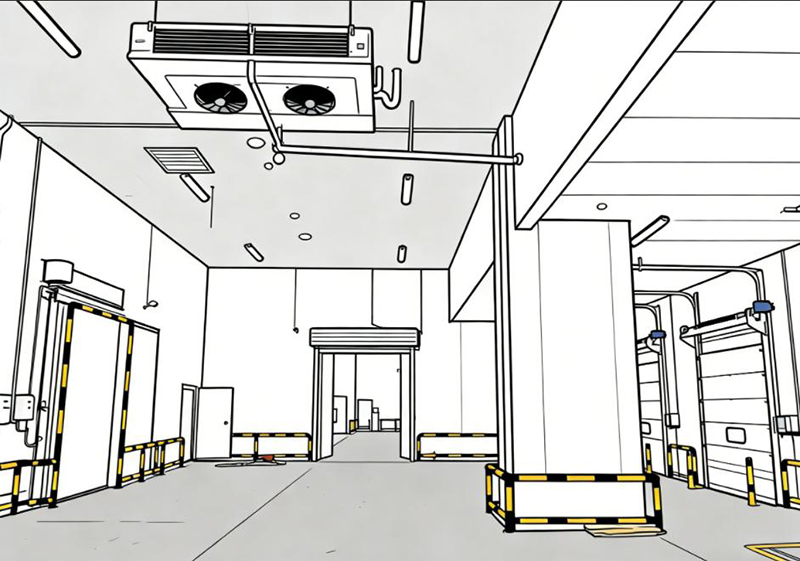
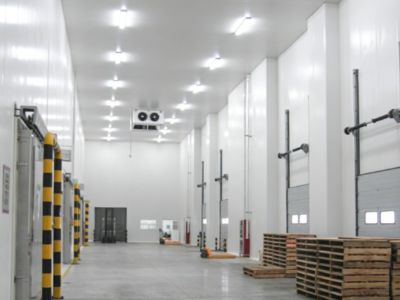
Proper installation of insulated cold room doors is critical to their performance and longevity. Here are some key installation tips:

Preparation: Ensure that the installation site is clean and that the door frame is structurally sound. Any irregularities in the frame can lead to poor sealing and thermal performance.

Alignment: During installation, doors must be aligned correctly to prevent gaps. Misalignment can lead to air leaks, compromising energy efficiency and temperature control.

Sealing: Use appropriate sealing materials during installation to enhance insulation. Ensure that gaskets are correctly placed and undamaged to provide a tight seal when the door is closed.

Testing: After installation, perform a thorough inspection. Test the door's functionality, including opening and closing mechanisms, and check for any air leaks. Regular maintenance checks can help in identifying any issues early on.

Professional Assistance: If unsure, consider hiring professionals with experience in installing cold room doors. They can ensure compliance with industry standards and provide insights into best practices.

Cost Factors to Consider When Purchasing Insulated Cold Room Doors

The cost of insulated cold room doors can vary significantly based on several factors. Understanding these can help buyers budget effectively.

Material Costs: The type of insulation material used greatly influences the price. Polyurethane doors may have a higher upfront cost but can lead to energy savings over time due to better thermal efficiency.

Customization Needs: Custom sizes or features will add to the overall cost. When requesting quotes, provide detailed specifications to avoid unexpected price increases.

Shipping and Delivery: Consider shipping costs, especially for large orders. Local suppliers may reduce shipping expenses, while international sourcing can incur additional freight charges.

Installation Costs: If you opt for professional installation, factor in labor costs, which can vary based on the complexity of the installation and local labor rates.

Maintenance and Longevity: While the initial cost is important, consider the long-term costs associated with maintenance and energy consumption. Investing in higher-quality doors may yield better durability and lower operational costs, particularly when considering options like REFRIGERATION UNITS.

Common Problems with Insulated Cold Room Doors and Their Solutions

Despite their robust construction, insulated cold room doors can experience issues that affect performance. Here are some common problems and their solutions:

Air Leaks: One of the most common issues is air leakage, which can lead to increased energy costs and inadequate temperature control. Regularly inspect seals and gaskets for wear and replace them as necessary.

Condensation Issues: Condensation can occur if the interior temperature fluctuates significantly. Ensure that the door is properly insulated and that the cold room is maintained at a consistent temperature. Adjusting ventilation can also help manage humidity levels.

Mechanical Failures: Doors may sometimes fail to open or close properly due to mechanical issues. Regular maintenance checks on hinges and closing mechanisms can prevent these problems. If a mechanical failure occurs, consult a professional for repairs.

Corrosion: Depending on the operational environment, doors may be susceptible to corrosion, especially in food processing areas. Regular cleaning and maintenance can help mitigate this issue. Consider using corrosion-resistant materials for environments where exposure to moisture is frequent.

By addressing these common issues proactively, buyers can ensure the longevity and efficiency of their insulated cold room doors, leading to better operational performance and reduced costs.

Choosing the Right Insulated Cold Room Doors for Your Project Needs

When selecting insulated cold room doors, it is crucial to consider several factors that directly affect performance and suitability for your application. Key specifications include the door's insulation thickness, material, sealing mechanism, and dimensions.

Insulation Thickness: A thicker insulation panel generally provides better thermal performance, which is critical in maintaining the desired internal temperature. Insulation values are often measured in R-values; the higher the R-value, the better the insulation. Buyers should evaluate their specific temperature requirements to determine the appropriate thickness.

Material Selection: Common materials for insulated cold room doors include polyurethane and polystyrene, each offering different thermal properties and durability levels. Polyurethane, for instance, provides superior insulation but may be more expensive than polystyrene. The choice of materials should align with the operational environment—food applications may require materials that are easy to clean and resistant to chemicals.

Sealing Mechanisms: Effective sealing is vital for energy efficiency. Look for doors equipped with high-quality gaskets that prevent air leakage. This consideration becomes even more crucial for facilities that operate under strict temperature controls, such as pharmaceutical storage.

Dimensions and Configuration: Ensure that the door dimensions fit the specific opening of your cold storage area. Custom design options may be necessary for unique setups, so communicate your requirements clearly during the selection process.

Frequently Asked Questions

What is an insulated cold room door?

An insulated cold room door is a high-performance door with thermal core and tight seals designed to minimize heat transfer and maintain consistent temperatures in cold storage rooms and freezers.
Our doors support typical cold storage ranges from -40°C to +20°C, configurable to meet specific food, pharma, or logistics requirements.
Yes. We provide custom-engineered doors sized, insulated, and equipped with controls, locks, and finishes to integrate with automated cold storage systems.
Yes. Our insulated doors are designed for seamless integration with automated handling, alarm, and sealing systems for energy efficiency and operational reliability.
We supply maintenance guidelines, spare parts support, and a manufacturer's warranty. Service options include inspection, seal replacement, and on-site technical support.

Our Blog Posts

10 Fascinating Facts About Cold Room You Never Knew!

12

Oct

10 Fascinating Facts About Cold Room You Never Knew!

The World's Largest "Refrigerator" Can Hold the Entire City of Rome. The global cold storage network is vast beyond imagination. For instance, the total storage capacity of one of North America's largest cold storage operators exceeds 400 million cub...
View More
what is a chiller used for

03

Nov

what is a chiller used for

Industrial chillers are critical components in various sectors, providing precise temperature control for a range of applications. Understanding what a energy-efficient chillers is used for can greatly influence purchasing decisions for business...
View More
how to set temperature in chiller

03

Nov

how to set temperature in chiller

Setting the correct temperature in a chiller is crucial for maintaining the quality and safety of sensitive products, especially in industries like food, pharmaceuticals, and logistics. This article will address key considerations for B2B buyers, inc...
View More
controlled atmosphere storage of fruits and vegetables

03

Nov

controlled atmosphere storage of fruits and vegetables

Controlled atmosphere storage of fruits and vegetables is a critical component in preserving the quality and extending the shelf life of produce. These specialized storage solutions regulate temperature, humidity, and gas composition to slow down rip...
View More

Leave a Message

Email
Name
Company Name
Message
0/1000

Related product categories