Key Specifications of Evaporator Units for Buyers

Let's Discuss Your Needs

Every great collaboration starts with a friendly chat.
We're here to help you figure things out and find the best way forward.
Company Name
Name
Email
WhatsApp
Mobile

evaporator unit

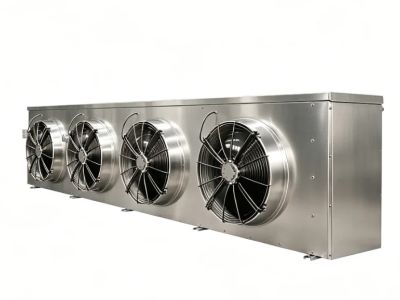
Evaporator units play a crucial role in refrigeration systems, particularly in applications involving cold storage, food processing, pharmaceuticals, and logistics. As a B2B buyer, you need to ensure that the evaporator units you select meet specific operational requirements and quality standards. This article will provide insights into key specifications, quality evaluation methods, sourcing strategies, cost factors, and tips for enhancing the performance and lifespan of evaporator units.

How to Evaluate the Quality of Evaporator Units for Your Needs

Quality assessment of evaporator units should involve several critical steps:

Manufacturer Certifications: Look for manufacturers that adhere to international standards, such as ISO certifications. This can indicate a commitment to quality management and consistent manufacturing processes.

Quality Control Processes: Investigate the manufacturer's quality control measures. Effective processes often include rigorous testing of units during production and prior to shipment. Request details about their inspection protocols and any third-party testing conducted.

Sample Approval: Before committing to a bulk order, request a sample evaporator unit. This allows you to assess its performance under actual operating conditions, including noise levels, efficiency, and reliability.

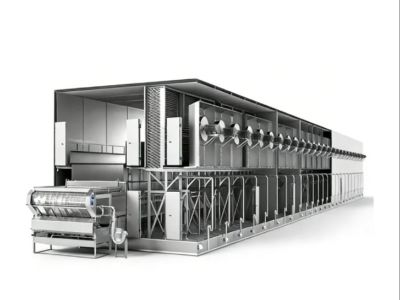
Performance Data: Ask for performance data and specifications from previous projects. This information can provide insight into how the evaporator units have performed in similar applications, helping to predict future performance. Additionally, consider looking into Blast Freezer technology for comparative performance metrics.

By carefully evaluating these aspects, buyers can mitigate risks associated with quality issues and ensure long-term satisfaction with their purchase.

Where to Source Reliable Evaporator Units for Wholesale Purchases

Sourcing high-quality evaporator units involves identifying reputable manufacturers and distributors. Here are some strategies:

Industry Trade Shows: Attending trade shows can provide valuable networking opportunities. You can meet manufacturers, view their products firsthand, and engage in discussions about your specific needs.

Online B2B Platforms: Websites like Alibaba, ThomasNet, and Made-in-China can help you find multiple suppliers. Look for those with verified ratings and customer reviews to ensure reliability.

Referrals and Recommendations: Reach out to industry peers or professional networks for referrals. Often, personal experiences can guide you toward trustworthy suppliers.

Direct Manufacturer Contact: Approaching manufacturers like Shanghai Zhaoxue Refrigeration Co., Ltd. directly can provide insights into their capabilities, such as custom engineering and production capacity. Engaging directly can also facilitate better negotiation on pricing and terms.

By employing these sourcing strategies, you can establish reliable supply channels for your evaporator unit needs.

Understanding the Cost Factors of Evaporator Units for Buyers

Cost considerations are essential in evaluating evaporator units. Key factors that influence pricing include:

Material Costs: The choice of materials directly impacts the unit's price. Higher-quality materials, while more expensive, can enhance durability and efficiency, potentially reducing long-term operational costs.

Customization Requirements: Custom-engineered evaporator units can incur additional costs. Discuss your specific needs with the manufacturer to understand how customization can affect pricing.

Order Quantity: Bulk orders often come with discounted rates. Establish your minimum order quantity (MOQ) with suppliers to maximize cost savings.

Shipping and Handling: Depending on the location of the manufacturer, shipping costs can vary significantly. Factor in these costs when comparing supplier quotes to ensure a comprehensive evaluation.

By understanding these cost factors, buyers can budget effectively and negotiate better terms with suppliers.

Enhancing Performance and Lifespan

To ensure the optimal functioning and longevity of evaporator units, consider the following practices:

Regular Maintenance: Implement a preventive maintenance schedule that includes cleaning coils, checking refrigerant levels, and inspecting electrical components. Regular maintenance can prevent costly breakdowns and enhance efficiency.

Installation Conditions: Ensure that the installation environment is suitable for the evaporator unit. Factors such as air circulation and temperature can significantly affect performance. Proper installation can prevent issues related to inadequate airflow or excessive heat exposure.

Monitoring Performance: Utilize monitoring systems to track the performance of your evaporator unit over time. This can help identify potential issues early, allowing for timely interventions.

User Training: Ensure that staff are trained in the operation and maintenance of the evaporator units. Proper handling can prevent misuse that leads to damage or inefficiency.

By adopting these strategies, buyers can maximize the performance and lifespan of their evaporator units, ultimately leading to more efficient operations and reduced costs.

Key Specifications of Evaporator Units for Bulk Purchase Decisions

When evaluating evaporator units, several key specifications need to be considered. These include cooling capacity, refrigerant type, dimensions, and construction materials.

Cooling Capacity: This is measured in BTUs or kilowatts and dictates how much heat the evaporator unit can remove from the environment. Ensure that the capacity aligns with your application's requirements to prevent underperformance or energy inefficiency.

Refrigerant Type: Common refrigerants include R-404A, R-134A, and ammonia. Each refrigerant has distinct environmental impacts and performance characteristics. Make sure to choose a refrigerant that complies with local regulations and meets your operational needs.

Dimensions: The size of the evaporator unit is vital for installation compatibility. Measure the intended installation space accurately and consider any potential barriers that might affect airflow or access for maintenance.

Construction Materials: The materials used in the evaporator unit affect durability and efficiency. Common materials include stainless steel and aluminum, which offer different benefits in terms of corrosion resistance and thermal conductivity. Self-stacking Spiral Freezers can also be a useful reference for understanding material choices.

By confirming these specifications, buyers can make informed decisions that support their operational requirements and compliance standards.

Frequently Asked Questions

What is the evaporator unit used for?

Our evaporator unit removes heat to maintain precise temperatures in cold storage, freezers, and ice machines for food, pharma, and logistics applications.
Units are engineered to support a wide range, typically from -40°C to +10°C, customizable per project requirements and product specifications.
Yes. Designed for low power consumption with optimized heat exchange surfaces and fans to reduce operational energy use in automated systems.
Absolutely. We provide custom-engineered evaporators tailored to capacity, footprint, refrigerant type, controls, and automation integration for your site.
Routine tasks include coil cleaning, fan checks, and refrigerant leak inspections. We offer global technical support and spare parts to ensure uptime.

Our Blog Posts

10 Fascinating Facts About Cold Room You Never Knew!

12

Oct

10 Fascinating Facts About Cold Room You Never Knew!

The World's Largest "Refrigerator" Can Hold the Entire City of Rome. The global cold storage network is vast beyond imagination. For instance, the total storage capacity of one of North America's largest cold storage operators exceeds 400 million cub...
View More
what does evaporator coil do

03

Nov

what does evaporator coil do

Understanding what an evaporator coil does is essential for anyone involved in the purchasing or maintenance of refrigeration systems. These coils play a crucial role in cooling processes by absorbing heat from the environment, making them indispensa...
View More
what are the methods of food preservation

03

Nov

what are the methods of food preservation

Food preservation is a critical process for maintaining the quality and safety of perishable items, especially in the food industry. Understanding what are the methods of food preservation can help businesses minimize waste, ensure product integrity,...
View More
what are the advantages of food preservation

03

Nov

what are the advantages of food preservation

Food preservation is a critical process that extends the shelf life of perishable goods such as fruits, vegetables, meats, and dairy products. Understanding the advantages of food preservation can greatly benefit businesses in the food industry, incl...
View More

Leave a Message

Email
Name
Company Name
Message
0/1000

Related product categories