Understanding Cold Room Price Factors and Solutions

Let's Discuss Your Needs

Every great collaboration starts with a friendly chat.
We're here to help you figure things out and find the best way forward.
Company Name
Name
Email
WhatsApp
Mobile

cold room price

Investing in a cold room can significantly impact your operations, especially if you're in the food, pharmaceutical, or logistics industries. Understanding the cold room price involves more than just the upfront cost; it encompasses various factors that can influence your overall investment. This article aims to address the main concerns B2B buyers face when considering cold rooms, including pricing factors, key specifications, and sourcing reliable suppliers. By the end, you will have a clearer understanding of what to expect and how to make informed purchasing decisions.

Key Specifications to Consider

When evaluating cold rooms, certain specifications are crucial to ensure they meet your operational requirements:

Temperature Range: Identify the specific temperature range needed for your products. Cold rooms can generally operate between -40°C to +5°C, but the exact requirements will depend on your application.

Wall Thickness: The thickness of the cold room walls affects insulation performance. Typically, thicker walls (100mm or more) are recommended for extreme temperature applications to minimize energy loss.

Flooring: Depending on the type of goods being stored, flooring must be durable and resistant to moisture and temperature changes. Consider options like seamless flooring for easy cleaning and maintenance.

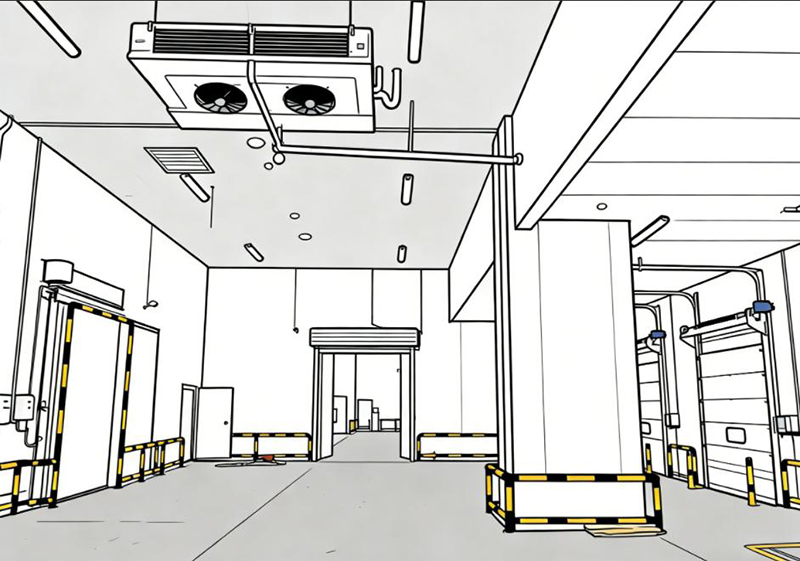
Sealing and Gaskets: Ensure that doors and access points are sealed effectively. Poor sealing can lead to energy loss and temperature fluctuations, impacting product quality.

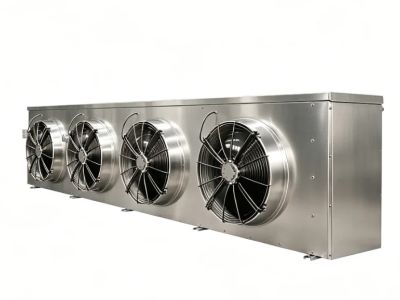
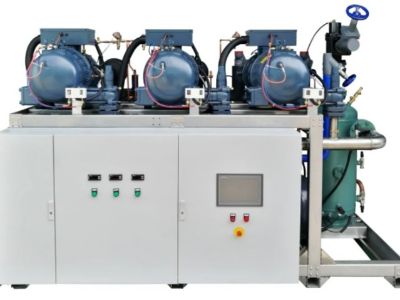
Refrigeration System: The type of system—whether it's a direct expansion system or a centralized system—will influence both upfront costs and ongoing maintenance. Choose a system that balances efficiency and reliability. Utilizing advanced Refrigeration Units can significantly enhance performance.

By evaluating these specifications, you can ensure that the cold room not only fits your budget but also meets your operational needs.
Cost and Requirements

When preparing to invest in a cold room, understanding the financial and logistical requirements is vital.

Budget Planning: Establish a budget not only for the cold room itself but also for installation, maintenance, and energy costs. It's essential to consider the total cost of ownership rather than just the purchase price.

Lead Time: Custom-engineered solutions may have longer lead times. Discuss timelines with potential suppliers and plan accordingly to avoid disruptions in your operations.

Minimum Order Quantity (MOQ): Suppliers may have specific MOQs that affect pricing. Be clear about your needs and discuss these with your supplier when seeking quotations.

Financing Options: Some manufacturers offer financing plans or leasing options that can ease the immediate financial burden. Evaluate these options to determine what fits best with your budget and cash flow.

By addressing these cost and requirement factors early in the purchasing process, you can avoid surprises and streamline your project.

Common Problems with Cold Rooms and Their Cost Solutions

Investing in a cold room comes with its own set of challenges. Being aware of common problems can help you mitigate risks:

Temperature Fluctuations: Inadequate insulation or faulty refrigeration systems can lead to temperature inconsistencies. Regular maintenance and monitoring systems can help prevent this issue and ensure compliance with industry standards.

Condensation Issues: Poor sealing can result in moisture build-up, leading to damaged goods. Investing in high-quality gaskets and seals can solve this problem.

Energy Efficiency: High energy costs can be a concern with cold rooms. Opting for energy-efficient components and regular maintenance can reduce operational costs significantly.

Compliance Failures: In industries like pharmaceuticals, not meeting regulatory standards can result in costly fines. Implementing proper monitoring systems and maintaining documentation can help avoid such pitfalls.

By being proactive about these common issues, you can save on potential costs and ensure smoother operations.

Where to Source Reliable Cold Room Suppliers for Bulk Orders

Finding a trustworthy supplier for cold rooms is essential, especially for bulk orders. Here are some tips to ensure you make the right choice:

Research and Reviews: Look for suppliers with a strong reputation in the industry. Customer reviews and case studies can provide insight into their reliability and product quality.

Certifications and Compliance: Verify that potential suppliers have the necessary certifications and comply with industry standards. This is particularly critical in regulated industries like food and pharmaceuticals.

Customization Capabilities: Ensure that the supplier can accommodate your specific requirements. A flexible manufacturer can provide tailored solutions that meet your operational needs.

After-Sales Support: Evaluate the level of after-sales support offered. Reliable suppliers should provide installation assistance, maintenance services, and readily available spare parts.

Global Experience: Given that your operations may extend globally, choose a supplier experienced in international markets. This ensures they understand the logistics and regulatory requirements involved in shipping to different regions.

By focusing on these criteria, you can source reliable suppliers who can meet your cold room needs effectively.

Factors That Affect Your Costs

The price of a cold room can vary widely based on several factors. Key considerations include the size of the cold room, insulation materials, temperature range requirements, and the complexity of the refrigeration system.

Size and Capacity: Larger cold rooms require more materials and refrigeration capacity, directly affecting the price. Understanding your storage needs is essential for estimating costs accurately.

Insulation Materials: The choice of insulation—such as polyurethane or polystyrene—affects thermal efficiency and durability. Higher-quality insulation may increase initial costs but can lead to long-term savings in energy consumption.

Temperature Control: Specific applications, such as pharmaceuticals, may require precise temperature control and monitoring systems. Advanced systems can increase costs but are crucial for compliance and safety.

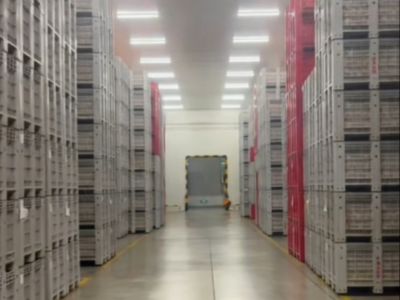
Customization: Tailored features like shelving, access doors, and automated systems will add to the cost. Custom solutions should be designed based on operational needs, which can lead to more efficient processes. For instance, a Cold Room designed to your specifications can optimize storage efficiency.

Location and Installation: Depending on the geographical location, installation costs may vary due to labor rates and logistical challenges. For instance, remote areas may incur higher transportation and installation fees.

Understanding these factors will help you develop a clearer picture of the total costs involved in setting up a cold room.

Frequently Asked Questions

What factors affect cold room price?

Price depends on size, insulation, temperature range, refrigeration system, door type, and installation complexity. Custom features and automation increase cost.
Yes. We provide tailored quotes based on project specs, capacity, temperature requirements, and automation level to ensure energy-efficient solutions.
Standard quotes can include delivery and installation; final terms depend on location, site conditions, and project scope. We provide clear breakdowns.
Higher-efficiency components and better insulation raise upfront cost but reduce operating expenses, lowering total cost of ownership over the unit's life.
We offer warranty coverage on equipment and can discuss financing or phased payment options depending on project size and customer needs.

Our Blog Posts

10 Fascinating Facts About Cold Room You Never Knew!

12

Oct

10 Fascinating Facts About Cold Room You Never Knew!

The World's Largest "Refrigerator" Can Hold the Entire City of Rome. The global cold storage network is vast beyond imagination. For instance, the total storage capacity of one of North America's largest cold storage operators exceeds 400 million cub...
View More
how to clean condensing unit

03

Nov

how to clean condensing unit

Cleaning a condensing unit is essential for maintaining the efficiency and longevity of refrigeration systems, particularly in industries like food processing, pharmaceuticals, and logistics. Proper cleaning helps prevent malfunctions, reduces energy...
View More
what does evaporator coil do

03

Nov

what does evaporator coil do

Understanding what an evaporator coil does is essential for anyone involved in the purchasing or maintenance of refrigeration systems. These coils play a crucial role in cooling processes by absorbing heat from the environment, making them indispensa...
View More
controlled atmosphere storage of fruits and vegetables

03

Nov

controlled atmosphere storage of fruits and vegetables

Controlled atmosphere storage of fruits and vegetables is a critical component in preserving the quality and extending the shelf life of produce. These specialized storage solutions regulate temperature, humidity, and gas composition to slow down rip...
View More

Leave a Message

Email
Name
Company Name
Message
0/1000

Related product categories