EN

Investing in a cold room can significantly impact your operations, especially if you're in the food, pharmaceutical, or logistics industries. Understanding the cold room price involves more than just the upfront cost; it encompasses various factors that can influence your overall investment. This article aims to address the main concerns B2B buyers face when considering cold rooms, including pricing factors, key specifications, and sourcing reliable suppliers. By the end, you will have a clearer understanding of what to expect and how to make informed purchasing decisions.
Key Specifications to Consider
When evaluating cold rooms, certain specifications are crucial to ensure they meet your operational requirements:
Temperature Range: Identify the specific temperature range needed for your products. Cold rooms can generally operate between -40°C to +5°C, but the exact requirements will depend on your application.
Wall Thickness: The thickness of the cold room walls affects insulation performance. Typically, thicker walls (100mm or more) are recommended for extreme temperature applications to minimize energy loss.
Flooring: Depending on the type of goods being stored, flooring must be durable and resistant to moisture and temperature changes. Consider options like seamless flooring for easy cleaning and maintenance.
Sealing and Gaskets: Ensure that doors and access points are sealed effectively. Poor sealing can lead to energy loss and temperature fluctuations, impacting product quality.
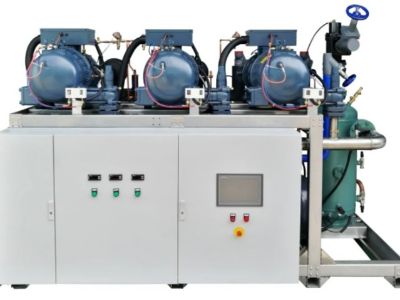
Refrigeration System: The type of system—whether it's a direct expansion system or a centralized system—will influence both upfront costs and ongoing maintenance. Choose a system that balances efficiency and reliability. Utilizing advanced Refrigeration Units can significantly enhance performance.
By evaluating these specifications, you can ensure that the cold room not only fits your budget but also meets your operational needs.