EN

Cold room doors are essential components for businesses that require temperature-controlled environments, such as food storage, pharmaceuticals, and logistics. When searching for cold room doors for sale, B2B buyers often prioritize durability, energy efficiency, and suitability for their specific applications. This article will guide readers through key considerations when selecting cold room doors, addressing common issues, and outlining best practices to ensure a successful purchase decision.
Common Problems with Cold Room Doors and Effective Solutions
Cold room doors can encounter various issues that can disrupt operations. Here are some common problems and their solutions:
Seal Failure: Over time, seals can wear out, leading to air leaks. Regular inspections and maintenance can identify wear and tear early. Replacing seals promptly can prevent temperature fluctuations and energy loss.
Misalignment: If doors are not aligned correctly, they may not close fully, which compromises insulation. Regular checks and adjustments can ensure doors are correctly aligned. Installation by experienced professionals can also mitigate this issue.
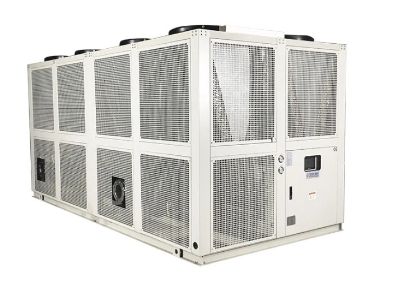
Corrosion: In environments with high humidity, metal components can corrode. Selecting doors with corrosion-resistant materials, such as stainless steel, can extend the lifespan of the doors. For enhanced durability, consider incorporating a Box-type air-cooled unit in your system.
Mechanical Failures: Automated systems can fail due to electrical issues or wear on mechanical components. Implementing a regular maintenance schedule can help identify and rectify issues before they lead to significant downtime.