EN

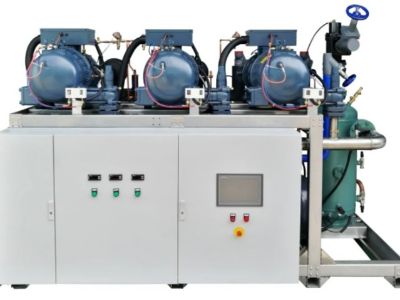
When it comes to industrial refrigeration, water cooled condensing units are essential components for maintaining optimal temperatures in various applications, including food storage, pharmaceuticals, and logistics. These units utilize water as a cooling medium, making them energy-efficient and ideal for environments where air-cooled systems may not be feasible. This article will address key specifications, selection criteria, quality standards, cost factors, and important features to consider when purchasing water cooled condensing units, enabling purchasing managers and engineers to make well-informed decisions.
How to Choose the Right Water Cooled Condensing Unit for Your Needs
Selecting the appropriate water cooled condensing unit involves several considerations to ensure it meets both current and future needs:
Application Requirements: Assess the specific needs of your application. For instance, food storage may require stricter temperature control compared to general industrial use.
Energy Efficiency: Look for units with high Energy Efficiency Ratio (EER) ratings. Energy-efficient models reduce operational costs and are often more environmentally friendly.
Customization Options: Many manufacturers, including Shanghai Zhaoxue Refrigeration Co., Ltd., offer customizable solutions. Determine if you need modifications for unique applications, such as increased capacity or specialized controls.
Space Constraints: Measure the installation area to ensure the unit fits within the designated space. Consider the accessibility for maintenance and any additional equipment that may be needed.
Support and Warranty: Evaluate the manufacturer's customer support, warranty options, and availability of spare parts. Reliable support can significantly reduce downtime in case of issues.